Tent Hammocks for Camping: The Ultimate Buyer's Guide
Discover how a hammock tent can transform your camping experience. Learn about comfort, weather protection, setup, and how to choose the perfect model for your adventures.
START YOUR RESEARCHWhy Consider a Tent Hammock? If you're tired of waking up with a sore back from sleeping on uneven ground, a tent hammock might be the game-changer you've been looking for. These versatile shelters combine the comfort of a suspended bed with the protection of a traditional tent, offering a unique camping experience that keeps you off the cold, damp ground and away from crawling insects. Whether you're a solo backpacker looking to lighten your load or a casual camper seeking better sleep, a hammock tent delivers unmatched comfort in a compact package.
What Exactly Is a Tent Hammock?
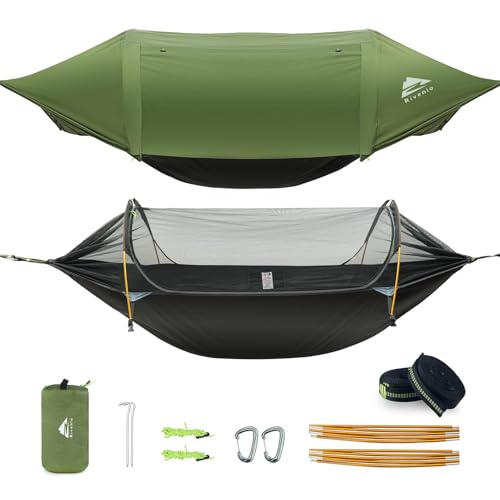
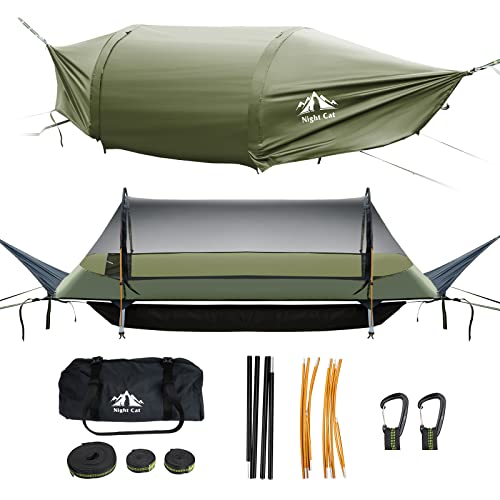
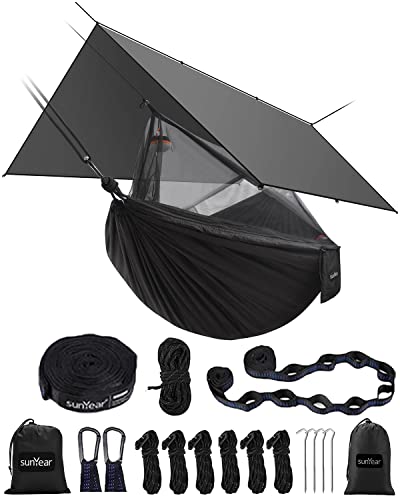
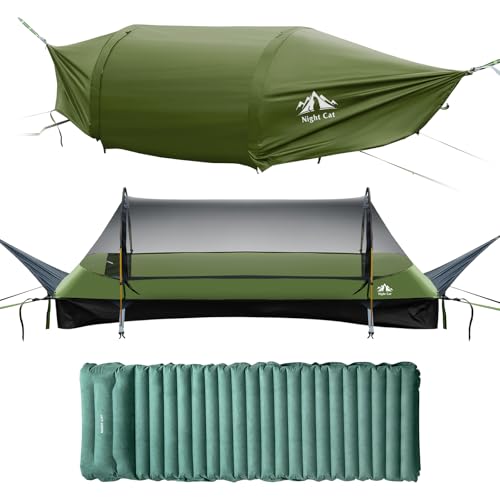
A tent hammock—also called a hammock tent or camping hammock—is a hybrid shelter that suspends between two anchor points (typically trees) and incorporates a built-in canopy, mosquito netting, and often a rain fly. Unlike a simple rope hammock, a tent hammock is designed as a complete sleep system that protects you from the elements while providing the ergonomic benefits of sleeping elevated off the ground.
Most modern models feature a structured ridge line or spreader bar system that creates a flat, comfortable sleeping surface—eliminating the "banana shape" that traditional hammocks are known for. This makes them suitable even for side sleepers and stomach sleepers who need a flatter lie. If you're comparing options, our Tent vs Hammock guide breaks down the pros and cons of each shelter type in detail.
Key Components of a Tent Hammock
- Hammock Body: The main sleeping area, usually made from ripstop nylon or polyester. Higher-end models may use breathable or waterproof-breathable fabrics.
- Bug Netting: A fine mesh canopy that keeps mosquitoes, flies, and other insects out. Some models have removable nets for versatility.
- Rain Fly / Tarp: A waterproof cover that extends over the hammock to protect against rain and wind. Many systems include a dedicated tarp with multiple guy-out points.
- Suspension System: Straps, whoopie slings, or buckles that attach the hammock to trees. Tree-friendly straps are essential to avoid damaging bark.
- Structural Ridge Line: A cord that runs above the hammock to maintain a consistent, comfortable angle and support the bug net.
Why Campers Are Switching to Tent Hammocks
The growing popularity of hammock camping isn't just a fad—it's driven by real, practical advantages that traditional tent campers quickly appreciate. Here's why so many outdoor enthusiasts are making the switch:
1. Unmatched Comfort and Better Sleep
Sleeping suspended eliminates pressure points caused by hard, uneven ground. Your hips, shoulders, and back are cradled rather than pressed against rocks or roots. For side sleepers, a properly pitched hammock tent with a flat lay offers a sleep quality that rivals your bed at home. If you struggle with back pain while camping, this alone can be a compelling reason to switch. You might also explore options like a most comfortable way to sleep in a tent guide for alternative solutions.
2. Lightweight and Compact
A complete hammock tent system—including hammock, bug net, tarp, and suspension—typically weighs less than a comparable one-person tent. They pack down small, making them ideal for backpacking and bikepacking where every ounce and every inch of pack space counts. For thru-hikers and ultralight enthusiasts, a hammock setup is often the lightest shelter option available.
3. Versatile Campsite Selection
With a tent, you need a flat, clear, dry patch of ground. With a hammock tent, you only need two sturdy trees. This opens up campsite possibilities that tent campers can only dream of—sloped terrain, rocky ground, and even wet areas become viable options. Just remember to follow Leave No Trace principles and use tree-friendly straps to protect the environment.
4. Protection from Ground Dampness and Insects
Being elevated means you're away from cold, damp ground, crawling insects, and occasional critters. The integrated bug net provides a secure, insect-free sleeping environment, which is especially valuable in humid or marshy areas. If you camp in areas with heavy mosquito pressure, a hammock tent can dramatically improve your comfort.
5. Quick Setup and Takedown
Once you've practiced a few times, pitching a hammock tent takes just a few minutes—often faster than setting up a traditional tent, especially on uneven ground. There's no need to clear rocks or level the ground, and takedown is just as quick.
Types of Tent Hammocks: Which Style Suits You?
Not all hammock tents are created equal. Understanding the different styles will help you choose the right one for your camping style, climate, and experience level.
| Type | Best For | Key Features | Typical Tier |
|---|---|---|---|
| Gathered-End Hammock | Backpackers, ultralight campers | Simple design, lightweight, requires diagonal sleeping position for flat lay | Entry-level to premium |
| Spreader Bar Hammock | Side sleepers, comfort-focused campers | Flat sleeping surface, stable, heavier and bulkier | Mid-range to luxury |
| Bridge Hammock | Back and side sleepers wanting a flat lie | Unique bridge design, very flat, excellent for bad backs | Mid-range to premium |
| Tree Tent / Floating Tent | Luxury campers, basecamp setups | Fully enclosed, flat floor, can sleep multiple people | Premium to luxury |
| Camping Hammock with Net | Casual campers, beginners | Simple, affordable, basic bug protection, often no rain fly included | Budget-friendly to mid-tier |
For a deeper dive into how hammocks compare to traditional tents in terms of comfort and practicality, see our hammock that can be used as a tent overview. If you're also considering ground shelters, our guide to dome tents for camping covers another popular option.
How to Choose the Best Tent Hammock for Your Needs
With so many options on the market, narrowing down your choice can feel overwhelming. Here are the key factors to evaluate before making a purchase:
Weight and Packed Size
If you're backpacking, weight is critical. Ultralight hammock setups can weigh under two pounds, while luxury tree tents may weigh ten pounds or more. Consider the total system weight—hammock, suspension, tarp, and stakes—not just the hammock itself. For car campers, weight matters less than comfort and durability.
Sleeping Capacity and Dimensions
Hammock tents are typically rated for one or two people. Single hammocks are lighter and easier to pitch; double hammocks offer more room but require more substantial trees and a larger tarp. Pay attention to the hammock's length—taller campers need longer hammocks (11 feet or more) to achieve a comfortable flat lay.
Weather Protection
Your rain fly is your primary defense against the elements. Look for a tarp that provides full coverage and extends well beyond the hammock's ends. A tarp with doors or a larger footprint offers better protection in driving rain. For cold-weather camping, an underquilt is essential—it hangs beneath the hammock to trap warmth. Check our keeping a tent warm in cold weather tips for more cold-weather strategies.
Suspension System
The suspension is what connects your hammock to the trees—and it's a critical safety component. Tree-friendly straps (at least one inch wide) are a must to prevent damage to bark. Whoopie slings and buckle systems offer easy adjustment. Avoid thin ropes or cords that can cut into trees. Our heavy-duty tent pegs guide covers another essential anchoring component for your setup.
Comfort Features
Look for features like:
- Structural ridge line: Maintains consistent sag and supports the bug net.
- Asymmetrical design: Offers a flatter, more diagonal lay.
- Storage pockets: Keep small items like glasses, phone, and headlamp within reach.
- Entry/exit options: Some hammocks have zippered entries on both sides; others have a top-entry design.
- Underquilt compatibility: If you plan to camp in cool weather, ensure your hammock works with an underquilt.
Durability and Materials
Ripstop nylon and polyester are the most common hammock materials. Higher-denier fabrics are more durable but heavier. Look for reinforced stitching at stress points and quality hardware (buckles, carabiners) that won't fail in the field. A well-made hammock tent can last many seasons with proper care.
Setting Up Your Tent Hammock: Best Practices
Proper setup is the difference between a comfortable night's sleep and a miserable one. Follow these guidelines for a successful hang:
- Choose the right trees: Look for two healthy trees about 12–15 feet apart with trunks at least 6 inches in diameter. Avoid dead trees, branches, or trees with loose bark.
- Protect the trees: Always use wide tree straps. Never wrap ropes or chains directly around trunks.
- Set the right angle: Hang your hammock at roughly a 30-degree angle. Too tight and you'll feel squeezed; too loose and you'll sag uncomfortably.
- Pitch your tarp: Set up your rain fly before the hammock if rain is threatening. Center the tarp over the hammock and stake out the guy lines at a low angle for maximum coverage.
- Test and adjust: Lie in the hammock before finalizing. Adjust the suspension and tarp as needed. If you're new to hammock camping, practice in your backyard first.
If you're camping in wet conditions, our guide on camping in a tent in the rain offers additional tips that apply to hammock camping as well. For cold-weather hangs, see sleeping in a tent in cold weather for insulation strategies.
Tent Hammocks: Pros and Cons at a Glance
No shelter is perfect for every situation. Here's an honest look at the advantages and limitations of hammock tents:
| Pros | Cons |
|---|---|
| Superior comfort—no pressure points | Requires suitable trees or anchor points |
| Lightweight and compact | Can be colder than a tent without an underquilt |
| Works on uneven or sloped terrain | Limited space for gear inside |
| Keeps you off wet ground and away from insects | Not ideal for extreme cold without additional insulation |
| Quick setup and takedown | Learning curve for achieving a flat, comfortable lay |
| Versatile campsite selection | Some campgrounds prohibit hanging from trees |
For campers who frequently camp in areas without trees—like deserts or above treeline—a traditional tent may be the better choice. Our camping tents you can stand up in guide covers spacious tent options for those situations.
Essential Accessories for Hammock Camping
To get the most out of your tent hammock, consider these accessories:
- Underquilt: Essential for cool-weather camping. It hangs beneath the hammock and traps warmth, preventing "cold butt syndrome."
- Top Quilt or Sleeping Bag: A top quilt is lighter and easier to manage in a hammock than a traditional sleeping bag. For cold sleepers, a warmest sleeping bag may be a better fit.
- Hammock Pillow: A small, compressible pillow improves neck support and comfort.
- Tree Straps: Wide, tree-friendly straps are a must. Many hammocks come with basic straps, but upgrading to longer or more durable straps is often worthwhile.
- Rain Fly with Doors: For storm protection, a tarp with integrated doors provides superior coverage.
- Hammock Stand: For areas without trees, a portable hammock stand lets you use your hammock anywhere.
- Bug Net Treatment: Some campers treat their hammock and netting with permethrin for added insect protection. If you're camping in areas with heavy bug pressure, see our mosquito and bug protection guide.
Frequently Asked Questions About Tent Hammocks
Can I use a tent hammock in winter?
Yes, but you'll need additional insulation. An underquilt and a top quilt rated for the expected temperatures are essential. Some hammocks are designed specifically for winter use with built-in insulation or compatibility with underquilts. Always test your setup in controlled conditions before relying on it in extreme cold. See our winter camping gear guide for more cold-weather strategies.
Are tent hammocks safe for beginners?
Absolutely—with practice. The biggest challenge for beginners is achieving a comfortable flat lay and proper suspension angle. Practice setting up in your backyard or a local park before your first trip. Once you master the basics, hammock camping is just as safe as tent camping, if not safer due to being off the ground. Our first-time camping tips offer additional guidance for new campers.
What if there are no trees at my campsite?
You have a few options: use a portable hammock stand, camp somewhere else, or bring a traditional tent as a backup. Some campgrounds have designated hammock posts or structures. If you're camping in an area without trees, a bivy sack tent or a lightweight ground tent may be more practical. Always check campground rules before assuming you can hang a hammock.
How do I stay warm in a hammock tent?
The key is insulation beneath you. Unlike a sleeping pad on the ground, a hammock compresses your sleeping bag's insulation, so you need an underquilt or an insulated pad specifically designed for hammocks. Also, pitch your tarp low to block wind, wear warm layers, and consider a top quilt instead of a mummy bag for easier movement. Our how to stay warm in winter guide covers layering and insulation in depth.
Can two people sleep in one tent hammock?
Some double hammocks are designed for two people, but they can be cramped and less comfortable than two separate hammocks. For couples, side-by-side hanging with a shared tarp is often a better solution. If you're camping with a partner, consider a double sleeping pad in a traditional tent as an alternative for more space.
How long does a tent hammock last?
With proper care, a quality hammock tent can last five to ten years or more. Store it clean and dry, avoid leaving it in direct sunlight for extended periods, and inspect suspension components regularly for wear. Cheaper models may wear out faster, especially if the materials are thin or the stitching is poor.
Final Thoughts: Is a Tent Hammock Right for You?
Tent hammocks offer a compelling alternative to traditional ground tents, especially for campers who prioritize comfort, versatility, and lightweight packability. They excel in forested areas, warm climates, and anywhere the ground is uneven or wet. However, they're not a universal solution—campers in deserts, above treeline, or in extreme cold may find a traditional tent more practical.
If you're intrigued by the idea of sleeping suspended among the trees, start with a mid-range hammock tent that includes a bug net and rain fly. Practice setting it up at home, experiment with different angles and positions, and invest in an underquilt if you plan to camp in cooler weather. With the right gear and a bit of practice, hammock camping can become your favorite way to experience the outdoors.
For more camping gear guides and outdoor tips, explore our camping gear section, check our camping FAQ for common questions, or browse our camping destinations for inspiration on where to hang next.
Ready to Find Your Perfect Hammock Tent?
Explore our recommended tent hammocks and camping gear below. We've curated top-rated options to help you get started.
VIEW RECOMMENDED GEAR