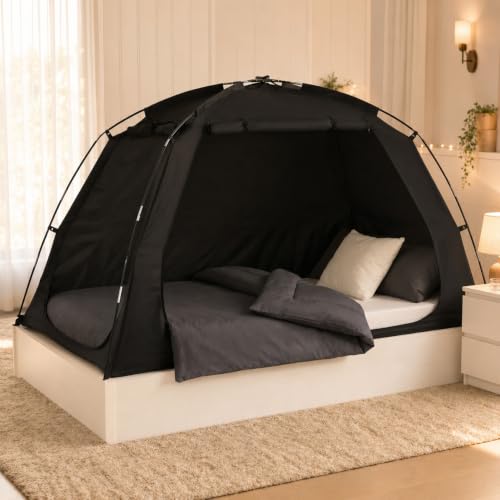
Pop Up Tent Bed: Complete Guide & Buying Tips for Campers
Everything you need to know about pop up tent beds — from setup and comfort to sizing and durability. Make an informed decision before your next outdoor adventure.
EXPLORE THE GUIDEWhat is a Pop Up Tent Bed? A pop up tent bed is an integrated camping solution that combines a tent structure with a built-in sleeping platform or mattress. Unlike traditional tents that require you to bring separate sleeping pads or air mattresses, a pop up tent bed offers a complete sleep system in one portable package. These innovative designs are becoming increasingly popular among campers who prioritize convenience, comfort, and quick setup times.
Why Choose a Pop Up Tent Bed?
For campers who value efficiency and comfort, a pop up tent bed eliminates many common frustrations associated with traditional camping setups. The integrated design means fewer items to pack, faster setup times, and a more consistent sleeping experience across different terrains. Whether you're a weekend warrior or a seasoned outdoor enthusiast, understanding the benefits can help you decide if this solution fits your camping style.
Quick Setup
Most pop up tent beds deploy in under two minutes, making them ideal for spontaneous trips and late arrivals at campgrounds.
Integrated Comfort
The built-in sleeping surface eliminates the need for separate air mattresses or pads, ensuring consistent comfort every time.
Space Efficiency
When packed, these systems are compact and easy to transport, fitting neatly in car trunks or truck beds.
Elevated Sleeping
Many models keep you off the ground, providing insulation from cold surfaces and protection from uneven terrain.
Types of Pop Up Tent Beds
Understanding the different categories helps you narrow down your options based on your specific camping needs. Each type offers distinct advantages depending on your priorities, whether that's portability, space, or durability. If you're exploring broader tent options, you might also consider popup camping tents or instant tents for camping as alternatives.
| Type | Best For | Setup Time | Quality Tier |
|---|---|---|---|
| Pop-Up Dome Tent Bed | Solo campers, quick overnight trips | Under 2 minutes | Entry-Level |
| Cabin Style Pop Up Bed Tent | Families, extended camping trips | 3-5 minutes | Mid-Range |
| Integrated Air Mattress Tent | Couples, comfort-focused campers | 5-7 minutes | Premium |
| Luxury Glamping Tent Bed | Glampers, base camp setups | 10+ minutes | Luxury |
Key Features to Evaluate
When comparing pop up tent beds, focus on the features that directly impact your camping experience. The right combination of materials, construction quality, and design elements will determine how well the product performs over multiple seasons of use.
Sleeping Surface Construction
The sleeping platform is arguably the most critical component. Entry-level models often use basic air mattresses that may lose firmness overnight, while mid-range options typically feature thicker materials and better valve systems. Premium and luxury models often incorporate memory foam layers or hybrid designs that mimic the comfort of home bedding. For those who prefer separate components, a portable blow up bed or blow up bed with built-in pump can complement a traditional tent setup.
Tent Fabric and Weather Resistance
The tent portion of these systems varies significantly in quality. Look for fabrics with a denier rating that matches your expected conditions — higher denier means greater durability. Waterproof coatings and taped seams are essential for anyone camping in regions with unpredictable weather. If you frequently camp in wet conditions, consider pairing your setup with knowledge from our guide on camping in a tent in the rain.
Ventilation and Condensation Control
Proper airflow prevents condensation buildup, which can make even the best sleeping surface uncomfortable. Look for models with multiple mesh panels and roof vents. Some premium designs include anti-condensation mat for roof top tent technology adapted for ground tents.
Essential Features Checklist
- Waterproof rating of at least 2000mm for the rainfly
- Taped or sealed seams throughout the tent body
- Built-in pump or quick-inflation valve system
- Mesh ventilation panels on at least two sides
- Durable carry bag with compression straps
- Puncture-resistant sleeping surface material
- Reflective guylines for nighttime visibility
- Storage pockets for personal items
- Heavy-duty stakes and guyline tensioners included
Advantages and Limitations
Like any camping gear, pop up tent beds come with trade-offs. Understanding these helps you set realistic expectations and choose the right model for your needs.
Advantages
- Single-piece setup reduces packing complexity
- Consistent sleep quality across different campsites
- Elevated sleeping surface provides insulation
- Faster deployment than separate tent and bed
- Often more affordable than buying components separately
Limitations
- Bulkier than ultralight backpacking tents
- Less flexibility if one component fails
- Heavier than minimalist camping setups
- Limited options for extreme weather conditions
- May not suit long-distance backpacking trips
Setup Tips and Maintenance
Proper care extends the lifespan of your pop up tent bed and ensures reliable performance trip after trip. These practices are especially important if you camp frequently or in varied environments.
Site Selection and Preparation
Choose a level surface free of sharp objects that could puncture the sleeping surface. Clear away rocks, twigs, and debris before deploying your tent bed. If camping on concrete or hard surfaces, consider using a ground tarp for additional protection. Our guide on tents that can be set up on concrete covers specialized options for hard-surface camping.
Cleaning and Storage
After each trip, clean and dry all components thoroughly before storage. Moisture trapped in the fabric or sleeping surface can lead to mold and mildew. Store your pop up tent bed loosely folded in a cool, dry location — avoid compressing it tightly for extended periods, as this can damage the sleeping surface materials.
Repairs and Replacement Parts
Most manufacturers offer repair kits for common issues like punctures or broken poles. Keep a basic repair kit with your camping gear that includes patch material, seam sealant, and replacement stakes. For those who want a backup sleeping solution, consider a sleeping cot for adults as a supplementary option.
How to Choose the Right Pop Up Tent Bed
Your ideal pop up tent bed depends on several personal factors. Consider these questions before making a purchase decision.
Capacity and Sizing
Pop up tent beds come in sizes ranging from solo to family configurations. A single camper needs a compact model that's easy to handle alone. Couples may prefer a double-wide sleeping surface, while families need models with multiple sleeping areas or connecting capabilities. Refer to our guide on how to choose tent size for detailed capacity recommendations.
Portability vs. Comfort Trade-offs
Lighter models sacrifice some comfort features for easier transport. If you're car camping or using a bed for a camper, weight is less of a concern, and you can prioritize sleeping surface quality. Backpackers should look for the lightest options available, even if it means a thinner sleeping pad.
Seasonal Considerations
Three-season pop up tent beds handle spring through fall conditions well. For winter camping, you'll need a four-season model with reinforced construction and better insulation. Explore our winter camping gear guide for cold-weather-specific recommendations.
Budget and Quality Tiers
Entry-level models provide basic functionality for occasional campers. Mid-range options offer better materials and more thoughtful designs for regular use. Premium and luxury tiers cater to enthusiasts who camp frequently and demand the highest comfort and durability. If you're unsure whether the investment is worthwhile, read our article on are expensive tents worth it.
Popular Use Cases
Pop up tent beds serve various camping scenarios. Understanding how others use these products can spark ideas for your own adventures.
Weekend Car Camping
Quick setup and comfortable sleeping make these ideal for spontaneous weekend getaways. Pair with a comfortable camp chair for a complete relaxation setup.
Festival Camping
The compact footprint and fast deployment work well in crowded festival campgrounds where space is limited.
Beach Camping
Elevated sleeping surfaces keep you above sand and moisture. Check our beach camping guide for location-specific tips.
Family Adventures
Larger models accommodate multiple sleepers, making family camping more manageable. Consider tents for 5 people if you need additional capacity.
Frequently Asked Questions
Most pop up tent beds deploy in under two minutes for basic models, while more complex designs with integrated air mattresses may take three to five minutes. The setup time depends on the inflation method — built-in pumps are fastest, followed by manual foot pumps and mouth inflation. Always practice setting up your tent bed at home before your first trip.
Traditional pop up tent beds are generally too heavy for backpacking, as they typically weigh more than ultralight tent and sleeping pad combinations. However, some compact models designed specifically for solo backpackers exist. If backpacking is your primary activity, consider a lightweight tent paired with a foam camping pad or inflatable pad instead.
Always clear your campsite of sharp objects before setup. Use a ground tarp or footprint underneath your tent bed for additional protection. Keep pets' claws trimmed if they'll be near the sleeping surface. Store the tent bed away from sharp objects during transport, and carry a repair patch kit for emergencies.
Standard pop up tent beds work well in three-season conditions. For winter camping, choose a four-season model with reinforced construction and consider adding insulation. An elevated sleeping surface provides some protection from ground cold, but you may need additional insulation like a double sleeping pad or closed-cell foam layer underneath.
After each trip, wipe down all surfaces with a damp cloth and mild soap. Allow everything to dry completely before storage — moisture leads to mold and mildew. Store loosely folded in a cool, dry place. Avoid storing in compressed stuff sacks for extended periods, as this can damage the sleeping surface materials.
A pop up tent bed integrates the tent structure and sleeping surface into a single unit, while a regular tent requires separate air mattress or sleeping pad. Integrated designs offer faster setup and guaranteed compatibility, but separate components provide more flexibility if one part needs replacement. The best choice depends on your priorities for convenience versus modularity.
Ready to Upgrade Your Camping Comfort?
Browse our curated selection of pop up tent beds and find the perfect match for your outdoor adventures.
VIEW RECOMMENDED PRODUCTS