
Inflatable Sleeping Pad for Backpacking: Complete Guide
Discover how to choose the best inflatable sleeping pad for backpacking. Compare R-values, weight, thickness, and durability for a perfect night's sleep.
READ THE GUIDEWhy an Inflatable Sleeping Pad Matters: A good night's sleep is crucial for backpacking performance. An inflatable sleeping pad provides insulation from the cold ground, cushioning for your body, and packs down small enough to fit in your backpack.
Why Your Sleeping Pad Is Your Most Important Backpacking Gear
When you're backpacking, the difference between a miserable night and a restorative one often comes down to what you sleep on. An inflatable sleeping pad has become the gold standard for backpackers because it offers an unmatched combination of comfort, warmth, and packability. Unlike closed-cell foam pads, which can be bulky and less comfortable, inflatable pads use air chambers to provide cushioning while still compressing down to the size of a water bottle.
The ground steals body heat through conduction, which is why insulation is critical. A well-chosen backpacking sleeping pad with a high R-value will keep you warm even in freezing temperatures. If you're planning cold-weather trips, you'll want to pair your pad with a cold weather camping gear checklist to ensure you have everything you need. For those who backpack in winter, a pad with an R-value of 5 or higher is essential, and it should be combined with a sleeping bag for winter backpacking for maximum warmth.
Key Factors to Consider When Choosing an Inflatable Sleeping Pad
1. R-Value: The Measure of Warmth
The R-value indicates a pad's ability to resist heat loss. The higher the number, the warmer the pad. For three-season backpacking, an R-value between 2 and 4 is generally sufficient. For winter camping, look for an R-value of 5 or above. If you're backpacking in shoulder seasons or unpredictable climates, a pad with an R-value of 4 is a versatile choice. Pairing a high-R-value pad with a ultralight zero degree sleeping bag can extend your camping season significantly.
2. Weight and Packability
For backpackers, every ounce counts. Inflatable pads are popular because they pack down small and weigh relatively little. Ultralight models can weigh as little as 12 ounces, while more comfortable, feature-rich pads may weigh up to 2 pounds. If you're counting grams, consider an ultralight backpacking sleeping pad that doesn't compromise on durability. For those who want a bit more room, an extra wide backpacking sleeping pad offers additional space without a huge weight penalty.
3. Thickness and Comfort
Thickness affects comfort, especially for side sleepers. Pads range from 2 inches to over 4 inches thick. A thicker pad provides more cushioning but may weigh more and take longer to inflate. If you're a side sleeper, look for a pad at least 2.5 inches thick. For those who want a more mattress-like feel, a memory foam self inflating mattress combines foam and air for superior comfort.
4. Durability and Materials
Inflatable pads are made from nylon or polyester with a TPU or polyurethane coating. Thicker denier fabrics (like 30D or 40D) are more puncture-resistant, while 20D fabrics are lighter but more fragile. If you're hard on your gear, consider a pad with a higher denier. Many pads come with repair kits, but prevention is key—always use a groundsheet or tent floor to protect your pad. If you prefer a pad that doesn't require inflation, a camping sleeping pad non inflatable might be a better fit, though it won't pack as small.
5. Inflation and Deflation Systems
Most inflatable pads use either a valve system or a pump sack. Pump sacks are convenient because they prevent moisture from your breath entering the pad, which can cause mold over time. Some pads have built-in pumps, which add weight but save effort. If you're looking for a self-inflating option, a self inflating backpacking mattress offers a compromise between convenience and comfort.
Types of Inflatable Sleeping Pads
Air-Only Pads
These pads rely solely on air for cushioning and insulation. They are lightweight and pack small but can be less warm because air circulates inside. However, many modern air-only pads use reflective layers or baffles to trap heat. They are a good choice for summer backpacking or when weight is a primary concern.
Self-Inflating Pads
These pads contain open-cell foam that expands when the valve is opened. They offer a balance of comfort and convenience, as they partially inflate themselves. They are heavier and bulkier than air-only pads but provide better insulation and durability. They are ideal for car camping or backpacking trips where comfort is prioritized over weight. For a detailed comparison, see our self inflating sleeping pad reviews.
Hybrid Pads
Hybrid pads combine air chambers with a thin layer of foam or synthetic insulation. They offer the best of both worlds: the comfort of air and the warmth of foam. They are often heavier but provide excellent insulation and support. A memory foam mattress topper camping can be added for extra comfort.
How to Choose the Right Size
Sleeping pads come in various sizes: short, regular, long, and wide. Your pad should be long enough to support your entire body, from shoulders to hips, and wide enough that your arms don't hang off. A common rule is to choose a pad that is at least as long as you are tall, minus a few inches if you're trying to save weight. For couples, consider a lightweight two person sleeping bag and a double pad, or two individual pads that can be strapped together.
If you're a side sleeper or move a lot, a wider pad is worth the extra weight. For backpackers who want a balance of comfort and packability, a regular-wide pad is often the sweet spot. If you're tall, a long pad is essential to prevent your feet from hanging off.
Maintenance and Care for Your Inflatable Sleeping Pad
To extend the life of your pad, follow these tips:
- Clean with mild soap and water: Avoid harsh chemicals that can damage the coating.
- Store loosely rolled or flat: Keeping it compressed for long periods can damage the foam or seams.
- Avoid sharp objects: Always use a groundsheet or clear your campsite of debris.
- Dry thoroughly before storing: Moisture can lead to mold and delamination.
- Use a repair kit: Most pads come with patches; carry them on trips for emergencies.
If you're backpacking with a dog, be extra careful—nails can puncture your pad. Consider a camping with dogs guide for more tips on protecting your gear.
Common Mistakes to Avoid
- Not checking the R-value: Using a summer pad in winter can lead to dangerous heat loss.
- Over-inflating: This can make the pad feel firm and less comfortable, and may stress seams.
- Under-inflating: You might bottom out and feel the ground, defeating the purpose.
- Ignoring weight: A heavy pad can ruin your backpacking experience; always check the weight before buying.
- Forgetting a pump sack: Inflating by mouth introduces moisture; a pump sack is a worthwhile investment.
Recommended Inflatable Sleeping Pads for Backpacking
Based on our research and testing, here are some of the best inflatable sleeping pads for backpacking. We've categorized them by tier to help you find the right fit for your needs.
Best Inflatable Sleeping Pads for Backpacking
⚠️ AFFILIATE DISCLOSURE: This website contains affiliate links. As an Amazon Associate, we earn from qualifying purchases. If you make a purchase through these links, we may receive a small commission at no additional cost to you. Read our full affiliate policy.

Gear Doctors® Ether 17.5oz Ultralight Camping Sleeping Pad – Backpacking Air Mattress – Camping Mattress Pad – Compact Inflatable Sleeping Mat for Backpacking, Comfortable Outdoor Hiking, Tent, Travel

Pretyw Ultralight Camping Sleeping Pad with Pillow & Built-in Foot Pump

Amazon Basics Camping Sleeping Pad with Quick-Inflate Built-in Foot Pump, Water Resistant, Ultralight, Portable for Hiking and Backpacking, Olive Green
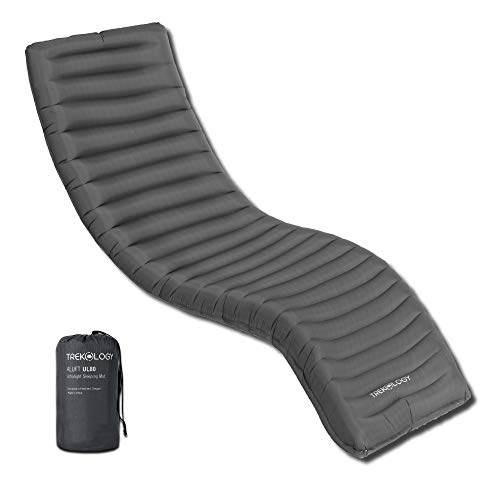
TREKOLOGY Ultralight Backpacking Sleeping Pad, Inflatable Camping Mat

Gear Doctors® ApolloAir 5.2 R-Value [22oz] Ultralight Insulated Inflatable Camping Sleeping Pad — Backpacking Sleeping Pad— Camping Mattress Compact Lightweight for Hiking—Air Mattress for Backpacking
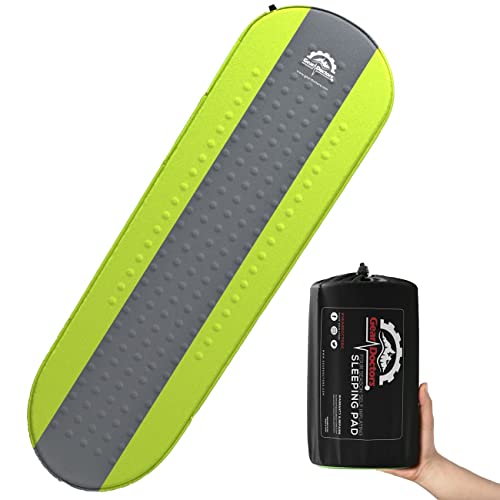
Gear Doctors® Oxylus 4.3 R-Value Insulated Air Foam Self Inflating Sleeping Pad Camping —Sleeping Pad Backpacking Air Mattress—Camping Mattress Self Inflating Camp Mat 4 Seasons Sleep Mat Compact Pack

Naturehike Ultralight Insulated Sleeping Pad 4.6R-Value
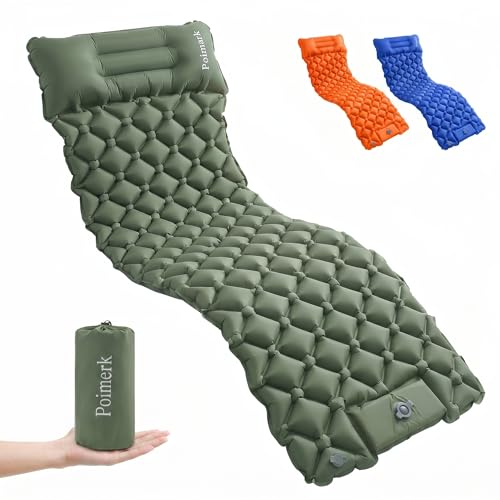
Ultralight Camping Sleeping Pad Mat, Compact Air Mattress for Backpacking
Frequently Asked Questions
What is the best R-value for backpacking?
For three-season backpacking, an R-value between 2 and 4 is ideal. For winter camping, look for an R-value of 5 or higher. If you're unsure, a pad with an R-value of 4 is a versatile choice that works in most conditions.
How do I prevent my sleeping pad from sliding?
Many pads have a textured surface or silicone grips to prevent sliding. You can also place a thin foam pad underneath or use a pad strap to secure it to your sleeping bag. Ensure your tent floor is clean and dry.
Can I use an inflatable sleeping pad in a hammock?
Yes, but it can be tricky. Some backpackers use a pad in a hammock for insulation, but it may shift. A better option is an underquilt. If you're considering a hammock, read our tent vs hammock guide.
How do I repair a punctured inflatable sleeping pad?
Most pads come with a repair kit. Clean the area, apply the patch, and let it cure. For temporary fixes, use duct tape. Always carry a repair kit on backpacking trips.
Are inflatable sleeping pads noisy?
Some pads can be noisy when you move, especially those with a crinkly nylon surface. Newer models use quieter fabrics. If noise is a concern, look for pads with a brushed or matte finish.
How long does an inflatable sleeping pad last?
With proper care, a quality inflatable pad can last 5–10 years. Store it loosely rolled, clean it regularly, and avoid sharp objects. If seams start to fail or it won't hold air, it's time to replace it.
Conclusion
Choosing the right inflatable sleeping pad for backpacking is a balance of warmth, comfort, weight, and durability. By understanding R-values, thickness, materials, and inflation systems, you can make an informed decision that ensures a good night's sleep on the trail. Remember to consider your specific needs—whether you're a side sleeper, a winter camper, or an ultralight enthusiast—and always read reviews and check the specs before buying.
For more tips on backpacking gear, explore our essential equipment for backpacking guide, and don't forget to check out our camping backpack with water bladder recommendations for carrying your gear comfortably.