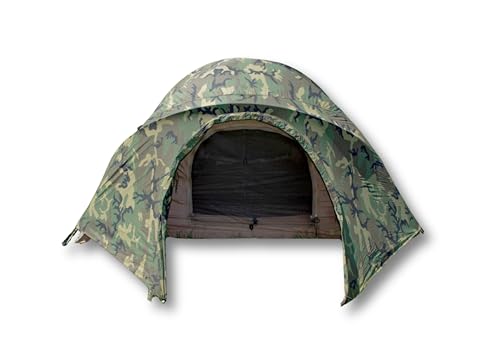
Good Brands for Tents: A Complete Guide to Trusted Tent Manufacturers
Choosing the right tent brand is one of the most important decisions a camper can make. A reliable brand ensures your shelter performs when the weather turns, lasts for many seasons, and provides the comfort you need after a long day outdoors.
Explore Tent BrandsWhy Brand Matters: The tent market is filled with options ranging from entry-level imports to premium expedition-grade shelters. Understanding the reputation, warranty support, and material quality of each brand helps you invest wisely. This guide breaks down the most respected tent brands by tier so you can match your budget and camping style to the right manufacturer.
What Makes a Tent Brand Worth Trusting?
Before diving into specific names, it helps to understand the criteria that separate exceptional tent brands from mediocre ones. A good tent brand consistently delivers on several fronts:
- Material Quality: Top-tier brands use ripstop nylon or polyester with high denier ratings, silicone or polyurethane coatings, and taped seams. Entry-level brands often use thinner fabrics that degrade faster under UV exposure.
- Weather Resistance: Hydrostatic head ratings for rainflies and floors indicate how well a tent sheds water. Brands that publish these ratings transparently tend to be more trustworthy. If you camp in wet conditions, understanding how to set up a tent in the rain is just as important as the brand you choose.
- Pole and Hardware Durability: Aluminum poles (especially DAC or Yunan) outperform fiberglass in strength-to-weight ratio. Mid-range and premium brands typically use aluminum, while entry-level tents often rely on heavier fiberglass.
- Warranty and Customer Support: A strong warranty signals confidence in the product. Premium brands often offer lifetime or multi-year warranties on seams and materials.
- Replacement Parts Availability: Brands that sell individual poles, rainflies, and footprint accessories make it easier to repair rather than replace. This is a hallmark of a mature, customer-focused tent manufacturer.
With these criteria in mind, you can evaluate any brand you encounter, whether you are browsing top 10 camping tents or looking at canvas tents for camping.
Premium and Top-Tier Tent Brands
These brands represent the pinnacle of tent engineering. They are favored by expedition teams, thru-hikers, and serious campers who demand the lightest weight, strongest materials, and most reliable weather protection. Expect to find advanced features like DAC poles, silicone-treated fabrics, and welded waterproof construction.
Top-tier brands often lead the industry in innovation. For example, many pioneered the ultralight trekking-pole tents that shave grams without sacrificing stability. If you are considering a tent with trekking pole setup, you are likely looking at offerings from this tier. Similarly, premium brands excel at four-season shelters, and their designs are often the basis for discussions around 4-season tents with stove jacks.
While these brands command higher investment, they frequently offer the best long-term value for frequent campers. Their tents hold resale value, replacement parts are easy to source, and the performance gap in severe weather is substantial. For those who camp in exposed alpine environments or pursue winter adventures, the premium tier is often the only sensible choice.
Mid-Range Tent Brands: The Balanced Choice
Mid-range tent brands occupy the sweet spot between affordability and performance. They use quality materials, offer thoughtful designs, and provide reliable weather protection for three-season camping. Many families and weekend campers find this tier meets all their needs without venturing into premium territory.
These brands often produce excellent family tents. If you are searching for a 6-person instant tent or a 10-person camping tent, you will find strong contenders in the mid-range segment. They also cater to car campers who want camping tents you can stand up in, a feature that significantly improves comfort during extended trips.
Mid-range brands are also a good fit for those who want the convenience of easy set up tents without paying premium prices. The technology has matured to the point where many mid-priced models offer genuinely hassle-free pitching.
Entry-Level and Budget-Friendly Tent Brands
Entry-level tent brands make camping accessible to everyone. They are ideal for occasional campers, backyard sleepouts, and festival-goers who need a basic shelter without a significant investment. While they may not withstand years of harsh UV exposure or extreme weather, they serve their purpose well when used within their limits.
When shopping in this tier, look for brands that are transparent about their materials and offer at least a one-year warranty. Some budget brands have improved dramatically in recent years, incorporating features like pop-up camping tents and instant pop-up tents that appeal to beginners.
For those just starting out, a budget-friendly tent from a reputable entry-level brand is a smart way to test the waters. You can always upgrade later. If you are unsure what to bring on your first trip, our guide on what to bring camping can help you prepare.
Specialty and Niche Tent Brands
Beyond the general tiers, some brands focus on specific niches. Roof-top tent manufacturers, for example, cater to overlanding enthusiasts who want a SUV roof top tent or a vehicle roof top tent. These brands prioritize quick deployment, durable hard shells, and comfortable mattress integration.
Other niche brands specialize in hot tents for winter camping, screen houses for bug-free lounging, and even luxury glamping tents. When evaluating a niche brand, look for a track record of satisfied customers in that specific use case. A brand that excels at ultralight backpacking may not be the best choice for a family basecamp, and vice versa.
For those interested in canvas shelters, canvas tents for camping are often produced by heritage brands that have refined their craft over decades. These tents are heavy but exceptionally durable and breathable.
How to Match a Tent Brand to Your Camping Style
Your camping style should dictate the brand tier you choose. Here is a quick breakdown:
- Backpacking and Thru-Hiking: Prioritize premium ultralight brands. Look for tents under 3 pounds. Consider a two-person backpacking tent or a one-person backpacking tent from a top-tier manufacturer. Our guide on good tents for backpacking dives deeper.
- Family Car Camping: Mid-range brands offer the best mix of space, durability, and value. Look for cabin-style tents with room dividers. A 10-person instant cabin tent with screen room is a popular choice.
- Winter and Expedition: Only premium four-season brands will suffice. These tents handle snow loading and high winds. Pair them with a 4-season tent with stove jack for heat.
- Occasional / Festival Camping: Entry-level brands are perfectly adequate. A simple camping pop-up tent or smallest pop-up tent can be set up in minutes.
Tent Brand Tier Comparison
The table below summarizes the characteristics of each tier. Remember that specific brands may straddle tiers depending on the product line.
| Tier | Typical Materials | Best For | Warranty Tendency |
|---|---|---|---|
| Premium / Top-Tier | Ripstop nylon, silicone coatings, DAC aluminum poles | Expeditions, ultralight backpacking, extreme weather | Lifetime or multi-year |
| Mid-Range | Polyester or nylon, PU coatings, aluminum or fiberglass poles | Family camping, weekend trips, three-season use | 2–5 years |
| Entry-Level / Budget | Thinner polyester, basic PU coatings, fiberglass poles | Occasional camping, festivals, backyard | 1 year |
Red Flags When Evaluating Tent Brands
Not every brand deserves your trust. Watch out for these warning signs:
- No Hydrostatic Head Rating: If a brand does not publish waterproof ratings, assume the tent is only suitable for dry conditions.
- Vague Warranty Language: "Limited warranty" without specifics often means little coverage.
- No Replacement Parts: A brand that does not sell poles or rainflies separately is not built for longevity.
- Unrealistic Claims: A four-season tent that weighs two pounds and costs very little is likely misrepresented.
- Poor Seam Sealing: If product photos show untaped seams, water will find its way in.
Cross-reference any brand you consider with outdoor forums and long-term reviews. A brand with a strong community following is usually a safe bet.
Caring for Your Tent Regardless of Brand
Even the best tent brand will fail prematurely if you neglect maintenance. Here are essential care tips:
- Always dry your tent thoroughly before storing. Moisture leads to mildew and delamination.
- Use a footprint or ground tarp to protect the floor from abrasion.
- Clean with mild soap and water, never harsh chemicals.
- Store loosely in a cool, dry place. Do not compress for long periods.
- Reapply seam sealer every few seasons.
- Practice Leave No Trace principles by camping on durable surfaces.
Proper care extends the life of any tent, making your investment worthwhile regardless of the brand tier.
Frequently Asked Questions About Tent Brands
Are expensive tent brands worth the investment?
For frequent campers and those who face challenging conditions, yes. Premium brands offer better materials, lighter weight, and superior warranties. However, occasional campers may find mid-range or entry-level brands perfectly adequate. See our full discussion on are expensive tents worth it.
How long should a good tent brand last?
With proper care, a premium tent can last a decade or more. Mid-range tents typically last 5–8 years with regular use. Entry-level tents may need replacement after 2–4 seasons. The article how long do tents last provides more detail.
Which tent brand is best for families?
Mid-range brands often excel for families because they balance space, durability, and value. Look for cabin-style tents with multiple rooms. Our guide on family tents for camping can help you narrow down options.
Is nylon or polyester better for tents?
Both have merits. Nylon is lighter and stronger but stretches when wet. Polyester is more UV-resistant and does not stretch. Premium brands often use nylon for backpacking and polyester for car camping. Read our comparison: is nylon or polyester better for tents.
Explore Related Tent Guides
Whether you are leaning toward a specific brand or still exploring, these resources will help you make a confident decision:
- How to Choose Tent Size – capacity charts and expert tips.
- Top 10 Camping Tents – a curated list across tiers.
- Tents for 2 Person – compact shelters for couples.
- Tents for 12 Person – large group options.
- Camping Tent with Stove – for cold-weather comfort.
- Good Tents for Backpacking – ultralight considerations.
- Easy Set Up Tent – convenience-first models.
- Canvas Tents for Camping – heritage durability.
- What to Bring Camping – complete packing guide.
- Camping FAQ – answers to common questions.
Final Thoughts: The best tent brand for you depends on your camping frequency, typical weather, and comfort needs. Premium brands deliver unmatched performance and longevity, mid-range brands offer excellent value, and entry-level brands make camping accessible. By understanding the tier system and evaluating brands against the criteria in this guide, you can choose a tent that will serve you reliably for years. Always verify the specific model's features, as brands often have product lines that span multiple tiers. Happy camping!