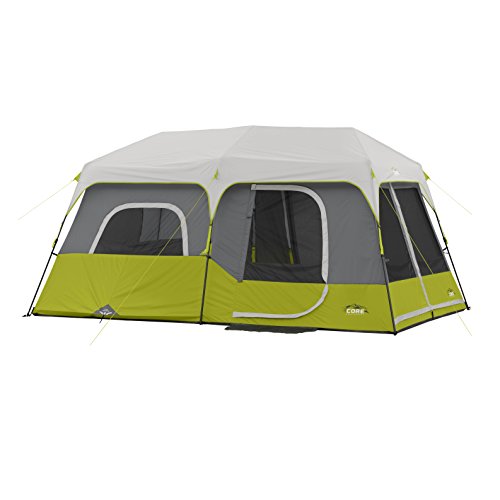
Pop Up Camping Tent: The Complete Guide to Instant Shelter
Discover how pop-up camping tents eliminate setup frustration, so you can spend less time pitching and more time enjoying the outdoors. This guide covers everything from how they work to choosing the right model for your adventures.
Start ExploringWhy Pop-Up Tents Matter: Traditional tent setup can be time-consuming and frustrating, especially after a long hike or drive. Pop-up camping tents—also called instant tents—use pre-assembled poles and a simple pull-and-lock mechanism to go from bag to fully pitched in under two minutes. For families, casual campers, and anyone who values convenience, they are a game-changer. This guide will help you understand the technology, weigh the trade-offs, and choose the best model for your needs.
What Exactly Is a Pop Up Camping Tent?
A pop up camping tent is a shelter with a frame that is pre-assembled and permanently attached to the tent fabric. Instead of threading separate poles through sleeves, you simply unfold the tent, pull the frame into position, and lock it. The mechanism is often based on fiberglass or steel poles that snap into place, similar to a collapsible laundry hamper but scaled up for camping. Most models can be set up by one person in one to three minutes, making them ideal for first-time campers and families with young children. They are also a popular choice for car camping and weekend trips where weight is less of a concern.
How Do Pop Up Tents Work?
The magic of a pop up tent lies in its pre-attached pole system. When you remove the tent from its carry bag, the poles are already connected to the fabric. You typically unfold the tent on the ground, locate the central hub or the pull handle, and either pull upward or push outward. The poles snap into place, and the tent holds its shape. To pack it down, you reverse the process—usually by pulling a release tab or pressing a button—and the tent collapses back into a compact bundle. Some models use a "pop-up" mechanism similar to a beach tent, where the entire tent springs into shape once the strap is released. Understanding this mechanism helps you appreciate why setup is so fast, but also why these tents have specific limitations in wind and durability.
Key Benefits of Pop Up Camping Tents
⚡ Lightning-Fast Setup
The primary advantage. Most pop up tents can be fully pitched in under two minutes, compared to 10–20 minutes for a traditional dome tent. This is invaluable when you arrive at camp late or in bad weather.
👤 Solo-Friendly
Because the frame is pre-assembled, one person can handle setup and takedown without assistance. This makes them great for solo campers or for parents who need to manage kids while pitching camp.
🧠 Low Learning Curve
No need to memorize pole sequences or color codes. The intuitive design means even a complete beginner can set up camp correctly on the first try.
🏕️ Ideal for Car Camping
Since they are generally bulkier and heavier than backpacking tents, they shine in car camping scenarios where you park near your site and have space to store the tent.
Trade-Offs to Consider Before Buying
While pop up tents offer unmatched convenience, they are not without compromises. Understanding these trade-offs will help you decide if a pop-up model is right for you.
Advantages
- Extremely fast setup and takedown
- No loose poles to lose or forget
- Beginner-friendly with minimal instruction
- Great for families and casual campers
- Often include pre-attached rainflies
Limitations
- Bulkier and heavier when packed
- Less packable for backpacking
- May be less stable in high winds
- Repair can be more complex
- Often higher entry-level cost than basic dome tents
If you plan to backpack long distances, a traditional lightweight tent is usually a better choice. But for tent camping near your vehicle, the convenience of a pop up tent often outweighs the bulk. You can also explore pop-up tents for camping 4 person waterproof options if you need a family-sized shelter.
Types of Pop Up Tents and Quality Tiers
Pop up tents come in several configurations, from simple dome-style instant tents to cabin-style models with room dividers. To help you compare without focusing on volatile prices, we use universal quality descriptors. These tiers reflect relative market positioning, materials, and craftsmanship—not specific currency amounts.
- Entry-Level Basic instant tents with simple fiberglass poles and a single-layer design. Best for occasional use, fair weather, and budget-conscious campers. Setup is fast, but weather resistance and durability are modest.
- Mid-Range These tents often feature thicker fabrics, taped seams, and improved ventilation. They may include a rainfly with better coverage and sturdier pole hubs. A solid choice for regular campers who want reliability without top-tier complexity.
- Premium High-end instant tents use advanced materials like ripstop polyester, aluminum or composite poles, and precision hubs. They offer superior wind resistance, better waterproofing, and thoughtful features like blackout rooms or built-in LED lighting. Ideal for frequent campers and varied conditions.
- Luxury / Glamping Oversized cabin-style pop up tents with near-vertical walls, room dividers, and sometimes electrical ports. These are designed for extended family trips and glamping setups where comfort is the priority.
When comparing models, remember that a mid-range tent often provides the best balance of convenience, durability, and weather protection for most campers. If you frequently camp in windy or rainy conditions, consider stepping up to a premium model for added peace of mind.
How to Choose the Right Pop Up Camping Tent
Selecting a pop up tent involves balancing capacity, seasonal rating, and features. Here are the key factors to evaluate:
👨👩👧👦 Capacity
Tent capacity ratings assume sleeping bag-to-bag. For comfort, subtract one person from the rated capacity. A 4-person tent works well for two adults and gear. For families, look at tents for six persons or larger cabin styles.
🌦️ Seasonal Rating
Three-season tents handle spring through fall. If you camp in winter, look for a 4-season tent with stove jack or a model designed for cold weather. Pop up tents are generally three-season, but some premium models offer better insulation.
📐 Standing Height
If you want to stand up inside, look for a pop-up tent you can stand up in. Cabin-style instant tents often provide near-vertical walls and center heights of 6 feet or more.
🌧️ Weather Protection
Check the hydrostatic head rating of the fabric and whether seams are taped. A full-coverage rainfly and a bathtub floor are important for wet climates. Look for models described as waterproof or with a full rain fly.
🔧 Pole Material
Fiberglass poles are common in entry-level tents. Aluminum or composite poles are lighter and more durable, typically found in mid-range and premium models.
🚪 Doors and Vestibules
Two doors improve access and ventilation. A vestibule provides covered storage for boots and gear. Some models include a screen room for bug-free lounging.
For a deeper dive into tent sizing, see our guide on how to choose tent size. If you are unsure whether a pop-up or traditional tent is better for your needs, our article on are expensive tents worth it can help you weigh the investment.
Setup, Takedown, and Care Tips
Even though pop up tents are designed for ease, a few best practices will extend their life and improve your experience:
- Setup Choose a level, debris-free spot. Unfold the tent and locate the pull handle or hub. Pull firmly until the poles lock. Secure the rainfly and stake out all corners and guylines—especially in wind.
- Takedown Remove stakes and rainfly. Locate the release mechanism (often a pull tab or button). Push the poles inward while folding the tent. Do not force it—if resistance is strong, check for a locking mechanism.
- Cleaning Clean with mild soap and water. Avoid harsh chemicals. Ensure the tent is completely dry before storing to prevent mold and mildew.
- Storage Store loosely in a cool, dry place. Avoid compressing the tent tightly for long periods, which can damage pole elasticity and fabric coatings.
- Repairs Patch small fabric tears with tent repair tape. For pole issues, contact the manufacturer or use a pole repair sleeve. Prevention—avoiding forceful setups—is the best strategy.
If you plan to camp in rainy conditions, review our tips on camping in a tent in the rain. For cold weather, see camping in the winter in a tent.
Popular Scenarios for Pop Up Tents
Pop up tents excel in specific camping styles. Here are a few scenarios where they are the ideal choice:
🚗 Car Camping
When you park at your site, the bulk of a pop up tent is not an issue. The fast setup means more time for hiking, fishing, or relaxing. Explore our car camping guide for more tips.
🏖️ Beach Camping
Some pop up tents are designed for beach use with sand anchors and UV-resistant fabrics. Check our beach camping guide for location-specific advice.
🎉 Festival Camping
Quick setup and takedown are perfect for festival weekends. Look for models with darkroom technology if you want to sleep in.
👨👩👧👦 Family Base Camp
Large cabin-style pop up tents with room dividers make excellent family base camps. See our tents with rooms guide for options.
Frequently Asked Questions
Are pop up tents good in wind?
Pop up tents are generally less wind-resistant than traditional dome tents because their pre-assembled frames have more joints and less structural triangulation. However, premium models with aluminum poles and sturdy hubs perform much better. Always stake out all guylines and consider a windbreak if strong gusts are expected.
Can I use a pop up tent for backpacking?
Most pop up tents are too bulky and heavy for backpacking. They are best for car camping, beach trips, and festival camping. If you need a lightweight shelter for backpacking, consider a traditional backpacking tent or a hammock setup.
How long do pop up tents last?
With proper care, a quality pop up tent can last many seasons. Entry-level models may show wear after a few years of frequent use, while premium models with better materials can last longer. See our article on how long do tents last for detailed lifespan factors.
Do pop up tents come with a rainfly?
Most pop up tents include a rainfly, but coverage varies. Some entry-level models have minimal rainflies that only cover the roof. For better weather protection, look for a model with a full-coverage rainfly that extends down the sides.
Can one person set up a pop up tent?
Yes, that is one of their main advantages. Most pop up tents are designed for solo setup, though larger cabin models may be easier with two people. Always practice setup at home before your trip.
Ready to experience the fastest tent setup of your life? Explore our recommended pop up camping tents below and find the perfect instant shelter for your next adventure.
View Recommended Tents