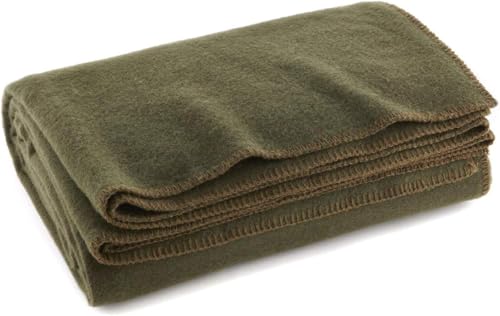
Wool Blanket Camping: The Complete Guide to Warmth, Comfort & Durability
Discover why wool blankets remain a trusted companion for campers. Learn how to choose, use, and care for wool blankets that keep you warm even in damp conditions.
START LEARNINGWhy Wool? Unlike synthetic materials, wool regulates temperature, resists odors, and retains insulating properties even when wet. It is naturally fire-resistant and biodegradable — making it a smart, sustainable choice for campers who value performance and durability.
Why Wool Blankets Belong in Your Camping Gear
When you pack for a camping trip, every item must earn its place. Space is limited, weight matters, and conditions can change quickly. A wool blanket is one of those rare pieces of gear that delivers across all these concerns. It provides reliable warmth, works as a layer over or under a sleeping bag, and can even serve as a ground cover or emergency shelter component.
Wool has been used for centuries in outdoor environments because it performs when other materials fail. It insulates even when damp, resists fire better than synthetics, and naturally regulates body temperature. For campers who want a versatile, long-lasting layer of comfort, a wool blanket is a worthy addition. If you are building your camping setup from scratch, consider pairing it with other essentials like a durable camping blanket and a camping mat for maximum comfort.
Key Benefits of Wool Blankets for Camping
Warmth Even When Wet
Wool fibers trap air and continue to insulate even in damp conditions. Unlike down, which loses loft when wet, wool retains much of its warmth — a critical advantage in unpredictable weather.
Natural Temperature Regulation
Wool breathes, allowing excess heat and moisture to escape. This helps prevent overheating during mild evenings and keeps you warm when temperatures drop.
Durability That Lasts
A quality wool blanket can last for decades with proper care. It resists pilling, tearing, and abrasion far better than many synthetic alternatives.
Fire Resistance
Wool is naturally flame-resistant and self-extinguishing. It will not melt or drip like synthetic fabrics, making it a safer choice around campfires. Always follow campfire safety rules.
Odor Resistance
Wool naturally resists odors and bacteria, so it stays fresher longer between washes — ideal for multi-day camping trips where laundry is not an option.
Versatility
Use it as a blanket, a wrap, a pillow, a ground cover, or an extra layer inside a sleeping bag. A wool blanket adapts to your needs. Pair it with a compact folding chair for a comfortable camp setup.
Types of Wool Blankets: Which One Is Right for You?
Not all wool blankets are the same. The type of wool, weave, and construction affect warmth, softness, weight, and durability. Here is a breakdown of the most common options for campers.
| Type | Best For | Key Traits | Tier |
|---|---|---|---|
| Merino Wool | Backpacking, mild to cold weather | Soft, lightweight, breathable, less itchy | Premium |
| Lambswool | General camping, car camping | Soft, warm, good value, moderate weight | Mid-Range |
| Recycled Wool | Budget-conscious campers, emergency kits | Affordable, durable, eco-friendly, slightly coarser | Entry-Level |
| Virgin Wool | Cold weather, long expeditions | Very warm, dense, durable, heavier | Mid-Range |
| Cashmere Blend | Luxury camping, glamping | Ultra-soft, lightweight, luxurious feel | Luxury |
| Wool Blend | All-around camping | Balanced warmth, durability, and affordability | Entry-Level |
What to Consider Before Buying a Wool Blanket
- Weight and Packability: Merino and cashmere blends pack smaller and weigh less — ideal for backpacking. Denser virgin wool blankets are warmer but bulkier. If you are hiking, pair your blanket with a quality backpacking pack that can handle the load.
- Warmth Rating: Consider the temperatures you will camp in. A lightweight merino blanket suits summer, while a thick virgin wool blanket is better for winter camping.
- Softness and Itch Factor: Merino wool is the softest and least itchy. If you have sensitive skin, avoid coarse recycled wool unless you plan to layer it over clothing.
- Size: A blanket that is too small will not cover you properly. Look for at least 60 x 80 inches for solo use, and larger for couples or family camping.
- Care Requirements: Some wool blankets are machine washable; others require hand washing. Consider how much maintenance you are willing to do.
- Fire Safety: Wool is naturally fire-resistant, but loose weaves can still catch embers. Always keep blankets away from open flames and follow campfire regulations.
- Budget Tier: Entry-level wool blends are affordable and functional. Mid-range options offer better softness and durability. Premium and luxury blankets deliver superior comfort and longevity.
How to Use a Wool Blanket While Camping
A wool blanket is more than just a bed cover. Here are practical ways to get the most out of it on your next trip.
- Layer Over Your Sleeping Bag: Add a wool blanket on top of your sleeping bag for extra warmth on cold nights. This is especially effective in cold-weather tents.
- Use as a Ground Layer: Place it under your sleeping pad for extra insulation from cold ground. Combine with an outdoor camping mat for maximum comfort.
- Wrap Around Your Shoulders: On chilly mornings, wrap it around yourself while preparing coffee with a camping coffee pot.
- Create a Windbreak: Hang it as a temporary windbreak using poles or trees. Wool blocks wind effectively.
- Emergency Shelter: In a pinch, a large wool blanket can serve as an emergency wrap or partial shelter. Always carry a proper winter emergency kit for serious trips.
- Pet Comfort: If you camp with dogs, a wool blanket gives them a warm, familiar spot to rest. Check our camping with dogs guide for more tips.
How to Care for Your Wool Blanket
- Shake It Out: After each trip, shake your blanket outdoors to remove debris, dirt, and sand.
- Spot Clean: For small stains, use cold water and a mild wool-safe soap. Blot — do not rub — to avoid damaging fibers.
- Hand Wash or Gentle Cycle: If deep cleaning is needed, hand wash in cool water or use a gentle machine cycle with wool detergent. Never use hot water or bleach.
- Air Dry Flat: Lay the blanket flat on a clean surface to dry. Avoid hanging it wet, as this can stretch the fibers. Keep it away from direct heat or sunlight.
- Store Properly: Fold and store in a dry, breathable bag. Avoid plastic bags, which can trap moisture and cause mildew. Add cedar blocks to deter moths.
- Brush Occasionally: Use a soft bristle brush to remove surface lint and keep the fibers fluffy.
Wool vs. Synthetic vs. Down Blankets
Understanding how wool compares to other materials helps you make an informed choice.
| Material | Warmth When Wet | Weight | Durability | Fire Resistance | Best Use |
|---|---|---|---|---|---|
| Wool | Excellent | Moderate | Excellent | Excellent | All-around camping, cold weather |
| Synthetic Fleece | Good | Light | Good | Poor (melts) | Budget camping, mild weather |
| Down | Poor (loses loft) | Very Light | Moderate | Poor | Dry cold weather, backpacking |
| Cotton | Poor (stays wet) | Heavy | Moderate | Moderate | Summer camping, car camping |
For campers who prioritize reliability in varied conditions, wool is often the best choice. It balances warmth, durability, and safety better than any single alternative. If you are camping in extreme cold, combine a wool blanket with a winter sleeping bag and a camping heater for maximum comfort.
Frequently Asked Questions About Wool Blanket Camping
Ready to Add a Wool Blanket to Your Camping Gear?
Wool blankets deliver warmth, durability, and versatility that synthetic alternatives struggle to match. Whether you are a casual camper or a seasoned backpacker, a quality wool blanket is an investment in comfort that pays off trip after trip.
BROWSE RECOMMENDED WOOL BLANKETSRelated Camping Guides
- Winter Camping Guide — Essential tips for cold-weather adventures.
- Cold Weather Tents — Choosing the right shelter for freezing temperatures.
- Winter Sleeping Bags — Stay warm with the right bag.
- How to Stay Warm in Winter — Proven strategies for cold camping.
- Camping with Dogs — Keep your furry companion comfortable.
- Camping FAQ — Answers to common camping questions.
- First Time Camping Tips — Start your camping journey right.
- Campfire Safety Rules — Stay safe around the fire.
- Leave No Trace Principles — Protect the outdoors.
- Camping Gear Guide — Explore our full gear recommendations.