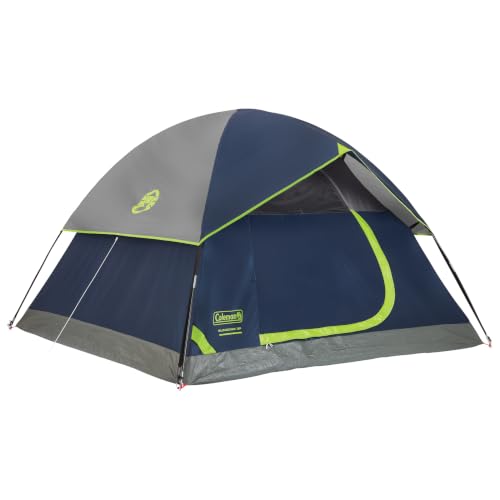
3 Person Tent: The Complete Guide to Choosing the Right Shelter
A 3 person tent hits the sweet spot between lightweight portability and comfortable living space. Whether you're camping with a partner, a small family, or a couple who wants extra room for gear, this guide will help you find the perfect three-person tent for your adventures.
COMPARE TOP PICKSWhy a 3 Person Tent? A three-person tent offers the ideal balance for many campers. It provides enough space for two adults to sleep comfortably with room for gear, or for three people to sleep in close quarters. For couples, it eliminates the cramped feeling of a 2-person tent while remaining lighter than a larger family model. If you're still deciding on capacity, our guide on how to choose tent size can help you compare options.
What to Look for in a 3 Person Tent
Buying a three-person tent is an investment in your outdoor comfort. Unlike smaller shelters, a 3-person model gives you flexibility: you can use it for solo trips with luxurious space, for couples with gear, or for small groups. However, not all three-person tents are created equal. The right choice depends on your camping style, climate, and priorities.
Before diving into specific features, consider how you'll use the tent. Car campers can prioritize comfort and interior height, while backpackers need to watch every ounce. If you camp in cold weather, a 4-season tent may be necessary, whereas summer campers can choose a lighter, more ventilated model. For those who want the easiest possible setup, there are 3-person tents designed for quick setup.
This guide covers everything you need to know: capacity, dimensions, season ratings, materials, and the specific features that separate an entry-level tent from a premium one. By the end, you'll be ready to make an informed decision and purchase with confidence.
Key Features That Define a Great 3 Person Tent
Understanding the core features of a three-person tent will help you evaluate options quickly. Here are the most important factors to consider:
Sleeping Capacity & Floor Dimensions
A true 3-person tent typically measures around 7 by 7 feet or 6 by 8 feet, providing roughly 40 to 50 square feet of floor space. However, "3-person" can be optimistic—many campers find that a three-person tent comfortably fits two adults plus gear. Always check the floor dimensions and peak height to ensure adequate space for your group.
Season Rating
Three-season tents are the most common and versatile, handling spring, summer, and fall conditions. They prioritize ventilation and weight savings. Four-season tents are heavier and more robust, designed for winter camping and harsh weather. For most campers, a three-season 3-person tent is the right choice. If you need winter capability, explore our winter tents guide.
Peak Height & Livability
Peak height determines whether you can sit up or stand inside. Entry-level tents often have peak heights around 4 feet, while premium models may reach 5 feet or more. If you want to stand up, look for a 3-person tent you can stand up in. Higher peak height dramatically improves comfort, especially during extended trips.
Doors & Vestibules
Two doors are ideal for a three-person tent, allowing easy access without disturbing others. Vestibules provide covered storage for boots, packs, and gear, keeping the interior clean and dry. Look for tents with at least one substantial vestibule; two is better for couples or groups who want separate storage.
Weather Protection
Rainfly coverage, taped seams, and a bathtub-style floor are essential for staying dry. A full-coverage rainfly that extends low to the ground offers superior protection against wind-driven rain. Check the hydrostatic head rating of the floor and fly—higher numbers mean better waterproofing.
Weight & Packed Size
Weight matters most for backpackers. Ultralight 3-person tents may weigh under 5 pounds, while car camping models can exceed 10 pounds. Consider how far you'll carry the tent and whether you need to prioritize weight savings over durability and features.
Types of 3 Person Tents
Three-person tents come in several designs, each suited to different camping styles. Understanding these types helps narrow your options.
Dome Tents
Dome tents are the most popular design for three-person camping. They use two or more flexible poles that cross at the center, creating a freestanding structure. Dome tents are easy to set up, stable in wind, and offer good headroom. They're ideal for a wide range of conditions and are available at every quality tier, from budget-friendly to high-end. For those who want quick setup, instant dome tents are available.
Cabin Tents
Cabin tents have near-vertical walls and a flat or peaked roof, maximizing interior space. They often feature room dividers, multiple doors, and standing height. Cabin tents are heavier and better suited for car camping or base camps. A 3-person cabin tent you can stand up in offers exceptional livability but may be overkill for backpacking.
Tunnel Tents
Tunnel tents use parallel hoop poles to create a long, tunnel-like shape. They offer excellent space-to-weight ratio and are often used by backpackers. However, they are not freestanding and require staking out. Tunnel tents can be very stable in wind when pitched correctly.
Pop-Up Tents
Pop-up tents are designed for instant setup—they spring into shape when removed from the carry bag. They're convenient for casual campers and festivals but can be bulky and less durable. For a 3-person option, consider a black-out pop-up double-skin 3-man tent for added comfort and light blocking.
3 Person Tent Comparison by Quality Tier
The table below compares typical features you'll find at different quality tiers. This helps you understand what you get as you move from entry-level to premium models.
| Feature | Entry-Level | Mid-Range | Premium |
|---|---|---|---|
| Materials | Polyester with basic coatings | Ripstop polyester or nylon, better waterproofing | High-tenacity nylon, silicone-treated fabrics |
| Poles | Fiberglass, heavier | Aluminum alloy, lighter and stronger | DAC or Yunan aluminum, precision-engineered |
| Weight | 7–10 lbs | 5–7 lbs | Under 5 lbs |
| Waterproofing | Basic, 1000–1500mm hydrostatic head | Good, 2000–3000mm | Excellent, 3000mm+ with fully taped seams |
| Doors | Often single door | Two doors typical | Two doors with large vestibules |
| Peak Height | 3.5–4 ft | 4–4.5 ft | 4.5–5 ft or more |
| Durability | 1–2 seasons of regular use | 3–5 seasons | 5+ seasons with proper care |
| Best For | Occasional campers, backyard use | Regular campers, weekend trips | Serious backpackers, frequent adventurers |
As you can see, moving up in tier generally means lighter weight, better materials, and improved weather protection. However, entry-level tents can still serve casual campers well. The key is matching the tent to your usage frequency and conditions. If you're unsure whether a premium tent is worth it, read our article on whether expensive tents are worth it.
Pros and Cons of a 3 Person Tent
Like any gear choice, a three-person tent has advantages and trade-offs. Here's an honest look at both sides.
✓ Advantages
- Versatile capacity: works for solo, couple, or small group trips
- More interior space than a 2-person tent without excessive weight
- Room for gear inside or in vestibules
- Often available with standing height options
- Good balance of portability and comfort
- Wide range of options at every quality tier
✗ Disadvantages
- Heavier and bulkier than 1- or 2-person tents
- May be overkill for solo backpackers
- Not as spacious as 4-person or larger tents for families
- Some "3-person" models are tight for three adults
- Premium ultralight models can be a significant investment
For many campers, the pros outweigh the cons. A three-person tent is the Goldilocks choice: not too small, not too large. If you frequently camp with a partner and want space for gear, or if you have a small child, a 3-person tent is often ideal. For larger groups, consider an 8-person tent or a multi-room tent.
How to Choose the Right 3 Person Tent
With so many options available, narrowing down your choice can feel overwhelming. Follow this step-by-step approach to find the perfect tent for your needs.
Step 1: Define Your Camping Style
Are you a car camper who drives to the site and sets up for a week? Or a backpacker who hikes miles into the wilderness? Car campers can prioritize comfort, interior height, and features like room dividers. Backpackers need to minimize weight and packed size. If you camp in all four seasons, a four-season tent is essential. For three-season camping, a standard three-season model suffices.
Step 2: Determine Your Space Needs
How many people will sleep in the tent, and how much gear do you need to store? A three-person tent typically fits two adults plus gear comfortably, or three adults in close quarters. If you have a dog or a child, you may want extra floor space. Measure your sleeping pads and bags to estimate the footprint you need. Our guide on how to choose tent size provides detailed charts and recommendations.
Step 3: Consider Weather Conditions
Will you camp in rain, wind, or snow? Look for a tent with a full-coverage rainfly, taped seams, and a sturdy pole structure. If you camp in hot, humid conditions, prioritize ventilation with mesh panels and multiple vents. For cold weather, consider a tent with less mesh and a stove jack if you use a wood stove.
Step 4: Evaluate Setup Ease
Some tents use color-coded poles and clips for quick assembly, while others require threading poles through sleeves. If you want the easiest possible setup, look for instant or pop-up designs. Our list of easiest 3-person tents to set up can help. Also consider whether the tent is freestanding—freestanding tents are easier to pitch on hard or rocky ground.
Step 5: Check Durability and Warranty
Higher-quality materials and construction mean longer life. Look for ripstop fabrics, aluminum poles, and reinforced stress points. Check the manufacturer's warranty—premium brands often offer lifetime warranties. If you're comparing tents, our article on how long tents last provides insights into durability factors.
Step 6: Set Your Quality Tier
Determine your budget tier: entry-level, mid-range, or premium. Entry-level tents are fine for occasional use. Mid-range offers the best balance for regular campers. Premium tents are for serious enthusiasts who demand the best performance and lowest weight. Remember, price is not always proportional to quality—research reviews and compare features carefully.
Essential Features Checklist for a 3 Person Tent
Before making a purchase, verify that your chosen tent includes these essential features:
- Full-coverage rainfly that extends low to the ground for storm protection
- Taped or sealed seams on the fly and floor to prevent leaks
- Bathtub floor with raised edges to keep water out
- Two doors for convenient access (especially for couples)
- At least one vestibule for gear storage
- Aluminum poles (lighter and more durable than fiberglass)
- Mesh vents for ventilation and condensation control
- Gear pockets for organizing small items
- Reflective guy lines for visibility at night
- Carry bag with compression straps for easy transport
How to Care for Your 3 Person Tent
Proper maintenance extends the life of your tent and ensures it performs when you need it most. Follow these tips:
- Clean after every trip: Remove dirt, leaves, and debris. Wipe down with a damp cloth and mild soap if needed. Never machine wash a tent.
- Dry completely before storing: Moisture causes mold and mildew. Set up the tent in a shaded area or hang it to dry thoroughly.
- Store loosely: Avoid compressing the tent tightly for long periods. Store in a cool, dry place away from direct sunlight.
- Re-waterproof periodically: Apply a waterproofing spray or wash-in treatment to the rainfly and floor as needed.
- Repair promptly: Patch small holes or tears immediately to prevent them from growing. Carry a repair kit on trips.
- Check poles and stakes: Inspect for damage or wear. Replace bent poles or lost stakes before your next trip.
With proper care, a quality three-person tent can last many seasons. If you're camping in rainy conditions, our guide on camping in a tent in the rain offers additional protection strategies.
Ready to Find Your Perfect 3 Person Tent?
Explore our top recommended three-person tents below, carefully selected for quality, durability, and value across every tier.
View Top Picks ↓Frequently Asked Questions About 3 Person Tents
Final Thoughts on Choosing a 3 Person Tent
A three-person tent is one of the most versatile shelters you can own. It accommodates solo campers who want extra space, couples with gear, and small families. By understanding the key features—capacity, season rating, materials, and setup ease—you can choose a tent that matches your camping style and budget tier.
Remember to consider where and how often you'll camp. A budget-friendly entry-level tent may be perfect for occasional summer trips, while a premium ultralight model is worth the investment for frequent backpackers. Whatever you choose, proper care and maintenance will ensure your tent serves you well for years.
Ready to compare top-rated three-person tents? Browse our curated selection below, featuring options across every quality tier. For more camping gear guides, explore our camping gear section and check out our camping FAQ for answers to common questions.