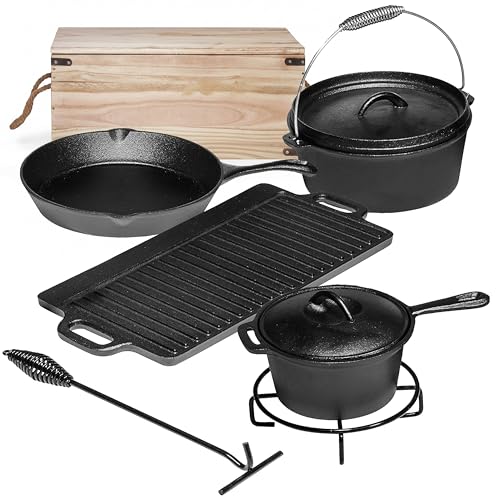
Cast Iron Outdoor Cooking Equipment: The Ultimate Guide
Unlock the secrets of rugged, versatile, and timeless cast iron cookware. From searing steaks over an open fire to baking biscuits in a Dutch oven, discover why cast iron remains the gold standard for outdoor chefs.
Explore Top PicksWhy Cast Iron is the Backbone of Outdoor Cooking
When you venture into the great outdoors, your cooking equipment needs to be as tough and reliable as the terrain itself. Cast iron outdoor cooking equipment has been a trusted companion for campers, hikers, and survivalists for centuries. Its legendary durability, exceptional heat retention, and unmatched versatility make it an indispensable part of any camp kitchen.
Unlike lightweight aluminum or non-stick pans that can warp or scratch, cast iron is virtually indestructible. It can withstand the intense heat of a campfire, the uneven surface of a camp stove, and the rigors of being packed and unpacked trip after trip. Whether you are a casual car camper or a seasoned backcountry explorer, investing in quality cast iron cookware will elevate your outdoor culinary experience.
In this comprehensive guide, we will explore the different types of cast iron equipment, how to choose the right pieces for your needs, essential care and maintenance tips, and some of the best practices for cooking over an open flame. By the end, you will have the knowledge and confidence to make cast iron a staple of your outdoor adventures.
Essential Cast Iron Equipment for Your Camp Kitchen
Cast iron cookware comes in a variety of shapes and sizes, each designed for specific cooking tasks. Here are the most essential pieces for outdoor cooking:
1. The Classic Cast Iron Skillet
The skillet is the workhorse of any camp kitchen. A 10-inch or 12-inch skillet is incredibly versatile, perfect for frying eggs, searing meat, sautéing vegetables, and even baking cornbread. Its sloped sides make it easy to stir and flip food, while the heavy base ensures even heat distribution. For outdoor enthusiasts, a skillet with a helper handle is a game-changer, especially when wearing gloves. If you are looking to lighten your load, consider a ultralight backpacking cooking gear setup, but for car camping, a full-sized skillet is ideal.
2. The Mighty Dutch Oven
If there is one piece of cast iron that defines outdoor cooking, it is the Dutch oven. This deep, heavy pot with a tight-fitting lid is a portable oven. You can use it to bake bread, simmer stews, roast meats, and even make desserts like cobblers and cakes. Dutch ovens come in two main styles: the traditional camp oven with legs and a flanged lid (designed for use with coals) and the flat-bottomed kitchen style. For campfire cooking, the camp oven is the preferred choice. A 12-inch Dutch oven is a great size for families or groups.
3. Griddles and Grill Pans
A cast iron griddle is perfect for cooking breakfast for a crowd—think pancakes, bacon, and eggs. Many griddles are reversible, with a smooth side for eggs and a ridged side for grilling. A grill pan, on the other hand, is great for getting those perfect grill marks on steaks and vegetables. These pieces are excellent for use on a outdoor double burner propane stove or over a fire.
4. Specialty Pieces
Beyond the basics, there are many specialty cast iron pieces that can enhance your outdoor cooking. These include:
- Cast Iron Wok: Ideal for stir-fries and quick cooking over high heat.
- Cast Iron Muffin Pans: Great for baking individual portions of cornbread, muffins, or even eggs.
- Cast Iron Cornbread Wedge Pans: Perfect for making classic cornbread sticks or wedges.
- Cast Iron Pizza Pans: For those who want to enjoy a crispy, deep-dish pizza at the campsite.
When building your outdoor kitchen, consider what types of meals you plan to cook most often. A skillet and a Dutch oven are the perfect starting point for most campers.
How to Choose the Right Cast Iron Equipment
Selecting the right cast iron cookware depends on your camping style, the size of your group, and your cooking preferences. Here are some key factors to consider:
Quality Tiers: Entry-Level, Mid-Range, and Premium
Cast iron cookware is available in a range of quality tiers. Understanding these tiers can help you make an informed decision that balances your needs and your budget (without focusing on specific prices).
| Tier | Characteristics | Best For |
|---|---|---|
| Entry-Level | Basic construction, often with a rougher surface. May require more seasoning to achieve a non-stick finish. Generally heavier and less refined. | Budget-conscious campers, occasional use, or those new to cast iron. |
| Mid-Range | Smoother surface, often pre-seasoned. Better handle design and more consistent thickness. A good balance of quality and value. | Regular campers who want reliable performance without the premium cost. |
| Premium | Meticulously machined for a glass-smooth surface. Often lighter for their size, with ergonomic handles and exceptional heat retention. Typically comes with a lifetime warranty. | Serious outdoor chefs, frequent campers, and those who value the best possible cooking experience. |
While entry-level cast iron can perform well with proper care, mid-range and premium options often offer a more enjoyable cooking experience due to their smoother surfaces and lighter weight. For more tips on selecting gear, check out our guide on camping essentials for first timers.
Size and Weight Considerations
Cast iron is heavy, so consider how you will be transporting it. If you are car camping, weight is less of an issue, and you can bring larger pieces like a 12-inch Dutch oven. If you are backpacking, you will want to minimize weight. While cast iron is not typically associated with ultralight backpacking, there are smaller, lighter pieces available. For backpacking trips, you might opt for a single small skillet or a lightweight Dutch oven. However, for many, cast iron is reserved for car camping or basecamp cooking. If you are looking to lighten your load, explore our recommendations for ultralight backpacking cooking gear.
Pre-Seasoned vs. Unseasoned
Most modern cast iron comes pre-seasoned, meaning it is ready to use out of the box. This is a convenient option for beginners. Unseasoned cast iron requires you to apply a layer of seasoning (baking on a layer of oil) before first use. While it takes a bit more effort, some enthusiasts prefer to season their own pans to their liking.
How to Care for Your Cast Iron Outdoor Cooking Equipment
One of the best things about cast iron is its longevity, but it requires proper care to stay in top condition. Follow these simple steps to keep your cast iron performing well for generations:
Cleaning Your Cast Iron
Contrary to popular belief, you can use a little soap on your cast iron, but it is not necessary. The best way to clean cast iron is with hot water and a stiff brush or a chainmail scrubber. Avoid using harsh detergents or steel wool, which can strip the seasoning. For stubborn food residue, simmer a little water in the pan and then scrape it clean. After washing, dry the pan thoroughly with a cloth or paper towel.
Seasoning and Re-Seasoning
Seasoning is the layer of polymerized oil that gives cast iron its non-stick surface and protects it from rust. If your pan looks dull or food starts sticking, it is time to re-season. To do this, coat the pan with a thin layer of oil (flaxseed, canola, or vegetable oil work well), and bake it upside down in a 450°F (230°C) oven for an hour. Let it cool in the oven. You can also do this over a campfire, but it requires careful attention. For more on campfire safety, see our campfire safety rules.
Storage
Store your cast iron in a dry place. If you stack pieces, place a paper towel or a pan protector between them to prevent scratching. If your cast iron does rust, don't panic. Simply scrub off the rust, re-season, and it will be as good as new.
Pro Tip: After cleaning, apply a very thin layer of oil to your cast iron before storing it. This extra layer of protection helps prevent rust, especially in humid environments.
Mastering Outdoor Cooking with Cast Iron
Cooking with cast iron over a fire or a camp stove is a skill that improves with practice. Here are some tips to help you get the most out of your equipment:
Heat Control
Cast iron heats slowly and retains heat for a long time. This means you need to preheat it gradually. When cooking over a fire, let the pan heat up slowly over coals rather than placing it directly in roaring flames. This prevents hot spots and burning. If you are using a outdoor single burner propane stove, start with a low flame and increase as needed.
Cooking Over a Campfire
The campfire is where cast iron truly shines. For Dutch oven cooking, you will need to manage coals both on the lid and underneath the pot. A general rule is to use twice as many coals on the lid as underneath for baking, and an even split for simmering. For skillet cooking, a bed of hot coals provides a perfect cooking surface. Always remember to follow campfire safety rules and ensure you know how to extinguish a campfire properly.
Cleaning Up After Cooking
After a delicious meal, cleaning your cast iron is part of the routine. As mentioned, avoid soap and scrub with hot water. If you are in a location where water is scarce, you can wipe the pan clean with a paper towel and a little coarse salt. This method helps remove food particles without water.
Frequently Asked Questions About Cast Iron Outdoor Cooking
Is cast iron good for outdoor cooking?
Absolutely. Cast iron is arguably the best material for outdoor cooking due to its durability, heat retention, and versatility. It can be used on a camp stove, over a fire, or even in a Dutch oven. It is also naturally non-stick when properly seasoned.
Can I use cast iron on a campfire?
Yes, cast iron is designed to withstand high heat and is perfect for campfire cooking. Just be sure to avoid placing it directly in the flames; instead, use a bed of hot coals for even heating.
How do I prevent my cast iron from rusting?
To prevent rust, always dry your cast iron thoroughly after washing and apply a thin layer of oil before storing. Keep it in a dry place, and if you live in a humid climate, consider storing it with a moisture-absorbing packet.
What is the best way to clean cast iron after camping?
The best way is to scrub it with hot water and a stiff brush or chainmail scrubber. Avoid soap, as it can strip the seasoning. For tough messes, simmer water in the pan and scrape with a wooden spoon. Dry immediately and re-oil.
Can I use cast iron on a propane stove?
Yes, cast iron works great on propane stoves. Just be aware that it takes a bit longer to heat up, so give it time to preheat on a low setting. For more information, see our guide to outdoor single burner propane stoves.
Related Guides and Resources
Expand your outdoor cooking and camping knowledge with these related articles:
- Cold Weather Camping Gear Checklist - Ensure you have the right gear for chilly adventures.
- Ultralight Backpacking Cooking Gear - Lightweight options for backpackers.
- Campfire Safety Rules - Essential safety tips for cooking over a fire.
- How to Extinguish a Campfire - Learn the proper way to put out your fire.
- Outdoor Double Burner Propane Stove - A great companion for cast iron cooking.
- Camping Essentials for First Timers - A comprehensive guide for beginners.