Camping Pod: The Complete Guide to Compact Outdoor Shelters
Discover how a camping pod can transform your outdoor experience — from quick solo getaways to comfortable car camping adventures. Learn what makes these compact shelters a smart alternative to traditional tents.
EXPLORE THE PODWhy consider a camping pod? These hard-shell or semi-rigid shelters offer a unique blend of tent-like portability and cabin-like protection. If you value quick setup, weather resistance, and a dedicated sleeping space, a camping pod might be your ideal outdoor companion.
What Is a Camping Pod?
A camping pod is a compact, standalone shelter designed for outdoor sleeping and relaxation. Unlike a traditional tent that relies entirely on fabric and poles, a camping pod typically features a rigid or semi-rigid shell — often made from fiberglass, plastic, or heavy-duty composite materials. This gives it a distinct advantage in durability and weather resistance.
Think of a camping pod as a cross between a tent, a small cabin, and a modern sleeping capsule. Some models are simple hard-shell boxes with a mattress inside, while others are more elaborate with windows, ventilation, and even interior lighting. They are particularly popular among car campers, solo adventurers, and anyone who wants a dedicated, fuss-free shelter.
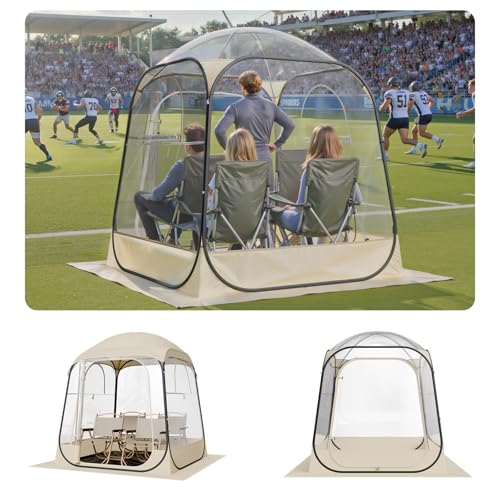
The term "pod" can also refer to soft-sided pop-up structures that maintain a pod-like shape. These are lighter and more packable than hard-shell versions but still offer the convenience and quick setup that pod camping is known for. In essence, a camping pod is any compact, enclosed shelter that prioritizes simplicity, protection, and a defined personal space.
When you choose a camping pod, you're investing in a shelter that can be set up in minutes and withstand conditions that might flatten a standard tent. The trade-off is usually weight and packed size — pods are generally heavier and bulkier than backpacking tents. However, for those who camp near their vehicle, this is rarely an issue.
If you're comparing options, you might also look at bivvy bags for ultra-minimalist trips or small tents for a more traditional feel. But a camping pod carves its own niche with its unique blend of structure and convenience.
Types of Camping Pods
Camping pods come in several distinct styles, each suited to different camping styles and preferences. Understanding these types will help you decide which one fits your needs.
| Type | Material | Best For | Setup | Tier |
|---|---|---|---|---|
| Hard-Shell Pod | Fiberglass, ABS plastic, composite | Car camping, long-term basecamp | Instant — just unfold and secure | Premium |
| Pop-Up Pod | Heavy-duty fabric with flexible frame | Weekend trips, festivals, solo camping | Seconds — springs into shape | Mid-Range |
| Inflatable Pod | TPU or PVC air chambers | Soft ground, backpacking-adjacent | Minutes — inflate with pump | Mid-Range |
| Hybrid Pod | Rigid base with fabric canopy | Car camping, extended stays | Moderate — assemble base and canopy | High-End |
Each type has its own strengths. Hard-shell pods are the most protective but also the heaviest. Pop-up pods offer the best balance of portability and convenience for most campers. Inflatable pods are a newer category, great for those who want a soft, packable option. Hybrid pods combine the best of both worlds but tend to be the most investment-heavy.
For those who prioritize a traditional tent experience with pod-like benefits, a bikepacking tent or a backpack tent might be worth exploring. However, if you're specifically drawn to the pod concept, the options above are your starting point.
Pros and Cons of Camping Pods
✅ Advantages
- Extremely fast setup and takedown
- Superior weather resistance compared to most tents
- Dedicated, private sleeping space
- Often more durable and longer-lasting
- Can be used on uneven or rough ground
- Some models offer built-in insulation
- Less condensation buildup with proper ventilation
❌ Disadvantages
- Heavier and bulkier than backpacking tents
- Limited interior space for gear and standing
- Higher upfront investment for hard-shell models
- Not ideal for long-distance hiking
- Fewer size options for large groups
- May require a vehicle for transport
- Replacement parts can be harder to find
Who Should Consider a Camping Pod?
Camping pods are not for everyone, but for specific campers, they are a game-changer. Here are the profiles that benefit most:
🎯 Ideal For:
- • Car campers who want a quick, comfortable shelter
- • Solo travelers seeking a secure, private space
- • Festival-goers who need fast setup and takedown
- • Weekend warriors who camp frequently but briefly
- • Photographers and stargazers wanting a base near their vehicle
🚫 Less Ideal For:
- • Backpackers covering long distances on foot
- • Large families needing multiple rooms
- • Ultralight enthusiasts counting every ounce
- • Thru-hikers on multi-day wilderness routes
- • Budget-focused beginners who want a low-cost start
If you fall into the "ideal for" category, a camping pod can significantly enhance your outdoor experience. It removes the friction of complex tent setups and gives you a reliable, comfortable shelter that you can count on trip after trip. For those in the "less ideal" category, a sleeping tent or even a hammock setup may serve you better.
How to Choose the Right Camping Pod
Selecting a camping pod involves balancing several factors. Here's what to prioritize:
| Factor | What to Look For | Why It Matters |
|---|---|---|
| Setup Mechanism | Pop-up, inflatable, or fold-out | Determines how much time and effort you'll spend at camp |
| Weather Resistance | Waterproof rating, wind stability, sealed seams | Protects you from rain, wind, and condensation |
| Interior Space | Floor dimensions, peak height, gear storage | Affects comfort and how much gear you can keep inside |
| Weight & Packed Size | Total weight, folded dimensions | Critical if you need to transport it without a vehicle |
| Ventilation | Mesh panels, vents, breathable fabric | Reduces condensation and keeps air fresh |
| Durability | Material quality, warranty, replacement parts | Ensures the pod lasts for many seasons |
Start by defining your primary use case. If you're mostly car camping, prioritize interior space and weather resistance over weight. If you occasionally need to carry your pod a short distance, look for a lighter pop-up or inflatable model. And always check user reviews for real-world performance on setup, durability, and comfort.
For a broader perspective on shelter options, you might also explore camping companies that specialize in innovative designs, or read our guide on how to choose tent size — many of the same principles apply to pods.
Camping Pod vs. Tent vs. Bivy: What's the Difference?
Understanding where a camping pod fits in the shelter spectrum helps you make an informed decision. Here's a quick comparison:
| Feature | Camping Pod | Traditional Tent | Bivy Bag |
|---|---|---|---|
| Setup Time | Seconds to minutes | 5–20 minutes | 1–3 minutes |
| Weather Protection | Excellent (hard shell) | Good to excellent | Moderate to good |
| Space | Compact, limited headroom | Variable, often spacious | Minimal, sleeping only |
| Weight | Moderate to heavy | Light to moderate | Very light |
| Best Use | Car camping, quick trips | All-around camping | Ultralight backpacking |
| Typical Tier | Mid-range to premium | Entry-level to luxury | Entry-level to mid-range |
As you can see, each shelter type has its place. A camping pod is not a replacement for a tent or bivy — it's a specialized tool for specific scenarios. If you often camp in unpredictable weather and want minimal setup hassle, a pod is a strong contender. If you need maximum space for a family, a cabin tent or tunnel tent is more appropriate. And for solo minimalist adventures, a bivy sack remains unmatched in weight savings.
Essential Tips for Camping Pod Owners
Once you've chosen your camping pod, these practical tips will help you get the most out of it:
🔧 Setup & Maintenance
- • Practice setting up at home before your trip
- • Clean and dry your pod thoroughly after each use
- • Store in a cool, dry place away from direct sunlight
- • Lubricate moving parts on hard-shell models periodically
🏕️ In-Camp Best Practices
- • Choose a level site to prevent sliding or tipping
- • Use a ground tarp or footprint to protect the base
- • Keep ventilation open to reduce condensation
- • Never use fuel-burning heaters inside without proper ventilation
For more outdoor skills, explore our guides on what to do if lost and emergency preparedness camping. Being prepared is the best way to enjoy your pod camping experience safely.
Frequently Asked Questions About Camping Pods
Are camping pods suitable for winter camping?
Some are. Hard-shell pods with insulation and proper ventilation can work in cold weather, especially when paired with a winter sleeping bag and a safe heater. However, most standard pods are three-season shelters. For deep winter, consider a hot tent or a 4-season tent with a stove jack.
How do camping pods compare to rooftop tents?
Rooftop tents mount on your vehicle and keep you off the ground, while camping pods typically sit on the ground. Pods are generally easier to remove and store, and they can be used independently of your vehicle. For more on vehicle-based camping, see our overland tent and roof top tent for full-size truck guides.
Can I use a camping pod for backpacking?
Most camping pods are too heavy and bulky for backpacking. If you need a portable shelter for hiking, look at backpacking gear like ultralight tents, sleeping hammocks, or bivvy bags. There are some lightweight inflatable pods, but they are the exception rather than the rule.
How do I maintain and clean a camping pod?
Clean the exterior with mild soap and water, then rinse and dry completely before storing. For hard-shell models, check seals and hinges regularly. For fabric pods, follow the manufacturer's cleaning instructions and never machine wash unless specified. Proper maintenance extends the life of your pod significantly.
Are camping pods allowed in national parks?
Regulations vary by location. Some national parks and campgrounds permit pods, while others have specific rules about hard-sided shelters. Always check national park rules and state park rules before your trip. When in doubt, contact the campground directly.
Ready to experience the convenience of pod camping? Browse our recommended camping pod gear below to find the right shelter for your next adventure.
SEE RECOMMENDED PODSContinue exploring: If you're considering alternative shelters, check out our guides on sleeping tents, bivvy bags, and hammock underquilts. For car camping, don't miss our car sleeping tips and camping pod recommendations. And for those who love luxury, explore glamping tents.