The Complete Wall Tent Buying Guide
Learn how to choose a canvas wall tent for base camp comfort — from fabric weight and stove compatibility to frame options, sizing, and setup so you can buy with confidence.
START THE GUIDEWhy read this guide? A wall tent is one of the most durable, spacious, and comfortable shelter investments a camper can make — but the wrong canvas weight, frame type, or size can turn a long-awaited trip into a frustrating one. This guide walks you through every decision point so you can pick the right wall tent the first time.
What's Inside This Guide
What Is a Wall Tent?
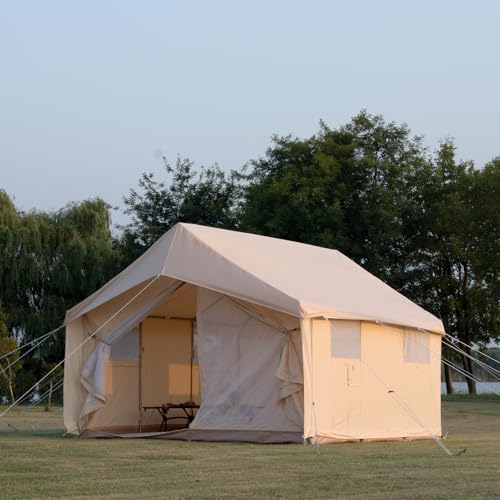
A wall tent is a classic canvas shelter defined by its near-vertical side walls and a peaked roof. Unlike dome tents, which sacrifice standing room for aerodynamic efficiency, a wall tent provides generous interior volume: you can typically stand upright, place cots along the walls, and arrange a small stove, table, and storage without stepping over your gear. That combination of headroom and usable floor space is why hunters, outfitters, and winter campers have trusted the design for generations.
Most modern wall tents are made from breathable cotton canvas (often 8–13 oz) or, in lighter-weight variants, technical fabrics such as polyester or nylon. Canvas remains the benchmark for four-season use because it regulates moisture, resists sparks from a wood stove, and holds warmth far better than thin synthetic walls. For a broader look at how canvas shelters compare with other designs, see our guide to hot tent camping, which covers how stoves and insulated fabrics work together in cold weather.
Because a wall tent is a base-camp shelter rather than a backpacking tent, weight and pack size are secondary concerns. You can learn more about matching shelter types to your trip style in our tent size selection guide and camping tent overview.
Types of Wall Tents
Not all wall tents serve the same purpose. The main distinction is between traditional canvas models and lighter recreational variants, followed by differences in shape, wall height, and stove readiness.
1. Traditional Canvas Wall Tents
These are the classic outfitter-style shelters made from heavy cotton canvas with reinforced corners, sod cloths, and stove jacks. They are designed for repeated seasonal use and excel in cold, wet conditions. A traditional canvas tent is the closest thing to a portable cabin — ideal for hunting camps, winter base camps, and long family trips. Our winter tents guide explains why canvas outperforms many synthetic shelters in freezing weather.
2. Lightweight / Synthetic Wall Tents
Synthetic versions use lighter fabrics and simplified frames. They set up faster and pack smaller, making them appealing for car campers who want wall-tent space without canvas weight. The trade-off is less breathability, lower spark resistance, and typically shorter service life. If you mostly camp in mild weather and move camp often, a synthetic wall tent can be a sensible entry point.
3. Stove-Ready (Four-Season) Wall Tents
These models include a factory-installed stove jack and fire-resistant fabric around the pipe opening. They are intended for use with a portable wood stove, which turns the tent into a genuine four-season shelter. Heated canvas tents are popular in late-season hunting and winter camping; see our guide to heated tent camping for safe stove operation and ventilation practices.
4. Cabin-Style and Modified Wall Tents
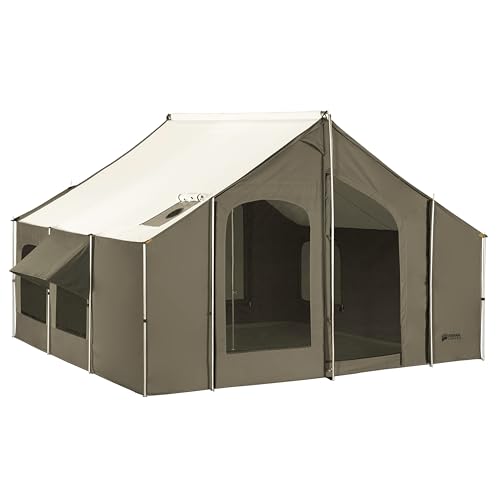
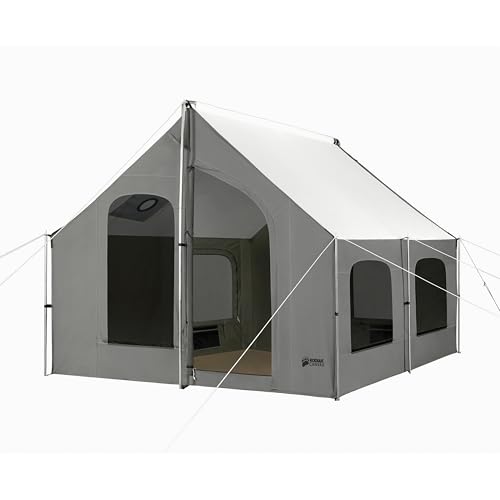
Some wall tents adopt a more vertical cabin profile or add screened windows and doors. These are a good middle ground if you want the space of a wall tent with more ventilation for warm-weather camping. If your plans include a family setup, you may also want to compare with cabin camping options.
Key Buying Criteria for a Wall Tent
When you are researching a wall tent purchase, focus on the factors that determine durability, comfort, and long-term value. The table below summarizes what to evaluate before you buy.
| Criterion | What to Look For | Why It Matters |
|---|---|---|
| Fabric & Weight | Cotton canvas in the 8–13 oz range; treated for water and mildew resistance | Heavier canvas is more durable and holds heat better; lighter canvas is easier to handle |
| Stove Jack | Fire-resistant jack sized for your stove pipe; positioned clear of the roof peak | Enables safe heating and cooking in cold weather; a poorly placed jack can leak or scorch |
| Wall Height | Tall enough to stand near the walls (typically 5–6.5 ft side walls) | Determines usable floor space and whether cots fit against the walls |
| Floor Size | Match to number of occupants plus gear and stove clearance | Prevents the cramped "too small" mistake common with first purchases |
| Frame Type | Internal aluminum frame, external pole frame, or rope-and-pole setup | Affects setup time, stability in wind, and whether one person can pitch it alone |
| Doors & Windows | Reinforced zippers, screen options, and a storm flap | Improves ventilation, weather protection, and long-term durability |
| Seams & Corners | Double-stitched seams, reinforced corner patches, and a sod cloth | These are the first failure points in canvas tents; quality construction adds years of use |
| Weight & Pack Size | Acceptable for your transport method (vehicle-based vs. pack-in) | Canvas wall tents are heavy; confirm you can move and store it comfortably |
Sizing Guidance
As a rule of thumb, allow roughly 15–20 square feet of floor space per person for sleeping plus gear, and add extra room if you plan to run a stove or set up a table. A 10x12 ft wall tent suits two to three campers with a stove; a 12x14 ft or larger model fits four to six people comfortably. For deeper guidance, read our article on how to choose tent size.
Canvas Treatment and Breathability
Untreated canvas swells when wet and becomes naturally water-resistant, but modern tents are usually treated with water repellents and mildew inhibitors. Avoid tents with heavy waterproof coatings that trap condensation — breathability is what keeps a canvas tent comfortable overnight. If you camp in humid regions, prioritize ventilation features such as screened windows and a ridge vent.
Wall Tent Quality Tiers Explained
Wall tents fall into recognizable tiers based on fabric weight, construction detail, and frame quality. Rather than thinking in numbers, use these tier descriptors to compare models on relative merit.
| Tier | Typical Characteristics | Best Suited For |
|---|---|---|
| Entry-level | Lighter fabric, simpler seams, basic stove jack, often synthetic blends or light canvas | Occasional car campers, mild-weather use, first-time wall tent buyers |
| Mid-range | Solid canvas weight, double-stitched seams, reinforced corners, functional stove jack | Regular campers, hunting trips, three-season base camps |
| Premium | Heavyweight canvas, meticulous stitching, upgraded zippers, well-placed jack, quality frame included | Frequent four-season users, outfitters, winter base camps |
| Luxury / Expedition | Top-tier canvas, custom sizing, reinforced stress points, premium frames, accessories included | Professional outfitters, long-duration camps, demanding climates |
A mid-range wall tent is usually the sweet spot for recreational campers: it offers most of the durability of premium models without the expedition-tier commitment. Entry-level tents can work well if you camp a few weekends a year, but be honest about how often you will pitch it — canvas tents reward investment with longevity.
Stove Compatibility & Heating a Wall Tent
A wood stove is what transforms a wall tent into a true four-season shelter. The stove jack — the fire-resistant opening in the roof or wall where the pipe exits — is the critical feature to verify. Look for a jack sized to match your stove pipe diameter, with a heat-resistant collar and a storm flap that seals when the stove is not in use.
What to Check Before Buying
- Jack size and placement: Confirm the opening matches your pipe diameter and is positioned so the stove can sit safely away from walls and fabric.
- Fire-resistant fabric: The area around the jack should use spark-resistant material, and the tent should include clear stove clearance instructions.
- Ventilation: A stove consumes oxygen; ensure the tent has vents or windows you can crack for fresh air, and never sleep with a smoldering stove in a sealed tent.
- Floor options: Many wall tents are floorless, which is ideal for stove use and easy cleanup. A floor can add comfort but must be kept clear of the stove.
For safe operating practices, read our guides to campfire safety rules and how to extinguish a campfire, which share principles that apply to stove use as well. If you plan to camp in deep winter, our winter camping safety guide covers carbon monoxide awareness and ventilation.
Frames & Setup Options
Wall tents can be pitched with an internal frame, an external pole frame, or a traditional rope-and-pole system. Each has trade-offs in setup time, stability, and portability.
Internal Frame
An internal aluminum frame assembles inside the tent and supports the roof from within. It is stable in wind and can often be pitched by one person, but the frame adds weight and bulk. Internal frames are common on premium and expedition-tier tents.
External Pole Frame
External frames use uprights and a ridge pole outside the canvas. They are quick to assemble and keep the interior free of obstructions, which is helpful when you are placing cots and a stove. Many outfitter tents use this style.
Rope-and-Pole Setup
The traditional method uses ropes, stakes, and cut poles or uprights. It is lightweight and inexpensive but requires more skill and time, and stability depends on good staking and tensioning. If you choose this route, invest in quality steel tent stakes and tent pegs for secure anchoring in varied ground.
Setup Tips
- Choose a level, well-drained site and clear sharp debris before laying out the canvas.
- Stake the corners first and keep the fabric slightly slack until the frame is up, then tension evenly.
- In rain, pitch the tent so water sheds away from the door; a properly tensioned roof should not sag and pool.
- Use a ground tarp or sod cloth to protect the canvas bottom from moisture and abrasion.
- Practice a full setup at home before your trip so you know your tent's quirks in good conditions.
If you also camp with a trailer or truck, our guides to tents for the back of pickup trucks and trailer hitch options may help you plan a hybrid base camp.
Pros and Cons of Wall Tents
Wall tents are not the right shelter for every camper. Here is an honest look at the trade-offs.
Advantages
- Stand-up headroom and generous usable floor space
- Excellent warmth retention, especially with a stove
- Durable canvas resists sparks, weather, and repeated use
- Breathable fabric reduces condensation compared with sealed synthetics
- Ideal for base camps, hunting, and winter trips
Disadvantages
- Heavy and bulky compared with dome tents
- Longer setup time, especially rope-and-pole models
- Canvas requires proper drying and storage to prevent mildew
- Higher upfront investment for quality models
- Not suitable for backpacking or minimal-weight trips
If you need a lightweight shelter for hiking, a wall tent is the wrong tool. For backpacking and solo trips, compare with our guides to tent vs hammock and camping alone.
Care & Maintenance
A quality canvas wall tent can last many seasons if you care for it properly. The most important rule is simple: never store canvas wet.
- Dry completely before storage: Set the tent up in the sun or hang it in a dry space after every trip, especially after rain.
- Clean with mild soap: Use a gentle, biodegradable soap such as biodegradable soap and a soft brush; avoid harsh detergents that strip treatments.
- Re-treat as needed: Apply a canvas-safe water repellent when the fabric stops beading water.
- Store loosely: Fold and store in a dry, ventilated area; avoid compressing canvas into a tight, damp bundle.
- Inspect seams and jack: Check stitching and the stove jack each season and repair small issues before they grow.
For general tent longevity advice that applies to canvas as well, read how long do tents last.
Who Should Buy a Wall Tent?
A wall tent makes the most sense if you:
- Camp from a vehicle, trailer, or established base camp rather than backpacking
- Want to camp comfortably in cold weather, with or without a stove
- Need space for cots, gear, and a small table for extended trips
- Value durability and are willing to invest in a shelter that lasts years
- Camp with family or a group and want a shared, roomy living space
If you are new to camping, start with our first time camping tips and a camping checklist before committing to a large canvas shelter. If you plan to camp in cold weather, our winter camping gear guide pairs well with this article.
Frequently Asked Questions About Wall Tents
How do I choose the right size wall tent?
Plan for about 15–20 square feet per person for sleeping plus gear, and add extra space for a stove or table. A 10x12 ft tent suits two to three campers; a 12x14 ft or larger model fits four to six people. Our tent size guide has detailed capacity charts.
Can I use a wood stove in any wall tent?
No. The tent must have a fire-resistant stove jack sized for your pipe, and you must follow clearance distances. Never improvise a stove opening in untreated fabric. See our heated tent camping guide for safe practices.
Are canvas wall tents waterproof?
Quality canvas is treated for water resistance and, when properly tensioned, sheds rain well. Avoid touching the inside of the canvas during a storm, as contact can draw moisture through. Re-treat the fabric periodically to maintain performance.
How long does it take to set up a wall tent?
With a complete internal or external frame, two people can typically pitch a wall tent in 20–40 minutes. Rope-and-pole setups take longer and require more practice. Always do a trial setup at home before your trip.
Can one person set up a wall tent alone?
Many internal-frame models can be pitched by one person with practice, though a second set of hands makes it much easier. If solo setup is important, look for tents marketed as one-person pitchable and practice the process.
Do I need a floor in a wall tent?
Floorless tents are easier to clean, better for stove use, and allow you to walk in with muddy boots. Floors add comfort and keep out drafts and insects but must be kept clear of the stove. Consider a ground tarp or sod cloth as a middle ground.
What is the best fabric for a wall tent?
Cotton canvas in the 8–13 oz range is the benchmark for durability and cold-weather comfort. Lighter synthetic fabrics are easier to handle but generally less breathable and less spark-resistant. Choose based on how often you camp and in what conditions.
Continue Planning Your Base Camp
Ready to build out the rest of your setup? These related guides will help you finish your research:
- Hot tent camping — pairing a tent with a wood stove
- Winter tents guide — four-season shelter comparisons
- Steel tent stakes and tent pegs for secure anchoring
- Camping gear overview and camping checklists
- Tents for pickup trucks if you want a hybrid base camp