
Cabin Camping Tent With Instant Setup: A Complete Buyer's Guide
Save time and reduce stress at the campsite. Discover how instant cabin tents combine spacious living with rapid, intuitive pitching, and learn what to look for before you buy.
EXPLORE THE GUIDEWhy an instant cabin tent? A cabin-style tent offers near-vertical walls for maximum headroom and livable space. When paired with an instant setup mechanism, you get that comfort without the long, frustrating pitch — ideal for families, car campers, and weekend adventurers who want more time relaxing and less time wrestling with poles.
What Makes an Instant Cabin Tent Different?
A cabin camping tent with instant setup is a hybrid design. It borrows the roomy, boxy shape of a traditional cabin tent — often with straight walls and a tall center height — and combines it with a pre-assembled frame. Instead of threading long poles through sleeves, you typically unfold the tent, extend the legs or pull the hubs, and lock the structure into place in a matter of minutes. Some models even use a pop-up mechanism that springs into shape.
This category is especially appealing if you have tried conventional dome tents and found the setup fiddly. The instant frame is usually color-coded or numbered, and the poles remain attached to the tent body, so there's no risk of losing parts. For a broader look at quick-pitch options, you can compare different styles in our guide to pop-up camping tents.
The combination of instant setup and cabin geometry delivers a very specific benefit: a large, usable interior that feels more like a small room than a cocoon. That makes these tents a strong match for camping with kids, where space for gear and play matters, and for anyone who wants a comfortable base camp.
How Instant Setup Mechanisms Work
Most instant cabin tents rely on one of two main systems. Understanding the difference helps you choose the one that matches your physical ability, storage space, and camping style.
1. Pre-Assembled Pole Frame with Hubs
This is the most common design. The poles are permanently attached to the tent corners and meet at central hub joints. To pitch, you unfold the tent, extend each leg (often telescoping), and secure the hub. Setup usually takes a few minutes, and takedown is similarly quick. Because the poles are thicker and more rigid, these tents tend to be heavier and bulkier when packed, so they are best for car camping or trips where you drive to the site.
2. Pop-Up or Spring-Loaded Frame
Pop-up models use flexible fiberglass or steel rods that are pre-bent into shape. When you remove the tent from its carry bag, it springs open. You then stake it down and add the rainfly. These are the fastest of all, but they can be harder to fold back into the bag and are often less weather-resistant. They are great for short trips, festivals, and fair-weather camping. For a deeper comparison of these two approaches, see our article on tent vs hammock for alternative shelter ideas, and our tent size guide for capacity advice.
Pro tip: Always do a practice pitch at home before your trip. Even the easiest instant tent has a learning curve, and practicing in your backyard or living room ensures you won't be fumbling in the dark or rain at the campsite.
Key Features to Evaluate Before Buying
Not all instant cabin tents are created equal. The following criteria will help you separate a tent that suits your needs from one that disappoints on the first trip.
Space and Capacity
Cabin tents are sold by person capacity, but that number is often optimistic. A "4-person" tent may fit four sleeping bags side by side but leave little room for gear. Look at the floor dimensions and peak height. A true cabin feel usually requires a peak height of at least 70 inches (about 178 cm), ideally more. If you want to stand up and move around, prioritize models with stand-up height. For larger groups, our list of 10-person instant cabin tents with a private room shows how much livable space is possible.
Weather Protection and Season Rating
Instant tents are often designed for three-season use (spring, summer, fall). Check the rainfly coverage, the hydrostatic head of the fabric (measured in millimeters), and whether the seams are taped or sealed. A full-coverage rainfly and a bathtub-style floor are strong indicators of better weather resistance. If you plan to camp in wind or heavy rain, look for models with guy-out points and sturdy stakes. For winter trips, you will need a proper winter tent, as most instant cabin tents are not built for snow loads. If you expect rain, our guide on setting up a tent in the rain offers practical protection tips.
Ventilation and Condensation
Condensation is the enemy of any tent. Cabin tents with large mesh windows and roof vents breathe better. Look for models with multiple mesh panels and a rainfly that can be adjusted for airflow. Without adequate ventilation, moisture from your breath and damp gear will collect on the walls and ceiling. For more on managing moisture, see our article on camping in a tent in the rain.
Pack Size and Weight
Instant cabin tents are generally heavier than backpacking tents. If you need to carry your tent any distance, check the packed weight and dimensions. For car camping, weight is less critical, but a bulky bag can still be awkward. If portability is a priority, our guide to ultralight backpacking gear may point you toward lighter alternatives, though you will sacrifice some instant-setup convenience.
Durability and Materials
Look for fabrics with a high denier (a measure of thread thickness) for abrasion resistance. Polyester is more UV-resistant than nylon, while nylon is often stronger for its weight. The poles should be robust — aluminum is generally stronger than fiberglass. A well-maintained tent can last many seasons; our article on how long tents last explains what to expect and how to extend the life of your gear.
Ease of Use and Portability
Read owner reviews about the actual setup time. Some instant tents claim "60 seconds" but take several minutes to stake and add the rainfly. Look for color-coded poles, clear instructions, and a carry bag that is genuinely easy to repack. A tent that is hard to put away may discourage you from using it. For tips on making setup as smooth as possible, our article on the easiest tent to set up and take down offers a useful checklist.
Who Is an Instant Cabin Tent For?
These tents shine in specific scenarios. If you recognize yourself in any of the following, an instant cabin tent is likely a great fit.
- Families with young children: The quick setup means you can focus on the kids rather than the tent. The spacious interior provides room for sleeping, playing, and changing. Check our camping with kids guide for more family-specific advice.
- Car campers and weekend warriors: If you drive to your campsite, the extra weight and packed size are less of an issue. You get maximum comfort for minimal effort.
- First-time campers: The simplicity of instant setup reduces the intimidation factor. See our first-time camping tips for a broader overview of what to expect.
- Festival goers and short trips: When you need shelter quickly and plan to spend most of your time outside the tent, a pop-up cabin tent is a convenient choice. For festival packing lists, see things to bring to a camping music festival.
On the other hand, if you plan to hike deep into the backcountry or camp in extreme weather, a traditional backpacking tent or a dedicated 4-season tent with stove jack is a more appropriate choice.
Comparison: Instant Cabin Tent vs. Other Tent Styles
The table below highlights how instant cabin tents stack up against other common tent types. Use it as a quick reference when weighing your options.
| Feature | Instant Cabin Tent | Traditional Dome Tent | Pop-Up Tent |
|---|---|---|---|
| Setup Time | Very fast (2–5 minutes) | Moderate (5–15 minutes) | Fastest (under 2 minutes) |
| Interior Height | High (often 70+ inches) | Lower, sloping walls | Varies, often lower |
| Weather Resistance | Good with full rainfly | Good to excellent | Moderate, fair-weather focus |
| Packed Weight | Heavier (car camping) | Moderate | Light to moderate |
| Best For | Families, car campers, comfort seekers | Versatile campers, backpackers | Festivals, quick trips, kids |
Practical Tips for Buying and Using an Instant Cabin Tent
1. Set a Realistic Budget (Without Focusing on Price)
Instant cabin tents span a wide range of quality tiers. Entry-level models are suitable for occasional use and fair weather. Mid-range models often offer better materials, fuller rainflies, and more refined hub mechanisms. Premium and luxury tiers focus on durability, superior ventilation, and thoughtful design touches like electrical cord ports or room dividers. Decide how often you camp and in what conditions, then choose the tier that matches your needs. Remember that a higher-tier tent is not just about features — it often means better long-term reliability. Our article on whether expensive tents are worth it breaks down the value proposition.
2. Check the Footprint and Floor Protection
Using a footprint (a ground cloth sized to the tent) under your tent protects the floor from abrasion and punctures. Many manufacturers sell custom footprints, or you can use a tarp cut to size (slightly smaller than the tent floor to prevent water pooling). For more on this, see our guide to tent footprints.
3. Practice Packing It Away
Instant tents can be tricky to fold back into their bags, especially pop-up models. Watch a video or practice at home. A tent that takes 20 minutes to stuff back into its bag can be a source of frustration. Some brands include a slightly oversized bag to make repacking easier.
4. Prepare for Weather
Even the best instant tent benefits from proper staking and guying out. Bring extra stakes and guylines, especially if wind is forecast. For rainy trips, consider a tent for cold and rainy weather or a pop-up tent for cold and rainy weather. Always practice Leave No Trace principles and choose a campsite that drains well.
5. Consider Accessories
Many campers pair their cabin tent with a camping canopy tent for extra shade or a folding canopy for a covered cooking area. A portable heater can extend the camping season, but always follow safety guidelines and never use fuel-burning heaters inside a tent without proper ventilation. If you are camping in cold weather, look into heated tent camping options. For power, a portable power station keeps devices charged and lights on. Our camping technology section covers more gear ideas.
Common Mistakes to Avoid
- Skipping the rainfly: Even on a clear night, unexpected rain can occur. Always attach the rainfly before dark, and make sure it is properly tensioned.
- Not staking the tent: An un-staked tent can become a kite in the wind. Stake all corners and use guylines on windy days.
- Ignoring condensation: Keep vents open and avoid cooking inside the tent. Moisture buildup can soak your gear and make the interior uncomfortable. See our keeping a tent warm in cold weather guide for ventilation strategies.
- Overloading the tent: Just because a tent is rated for a certain number of people does not mean you should fill it to capacity with gear. Leave room to move and store essentials.
- Forgetting the footprint: A small investment in floor protection can significantly extend the life of your tent.
Frequently Asked Questions
How long does an instant cabin tent take to set up?
Most instant cabin tents with hub-based frames can be pitched in 2 to 5 minutes by one person. Pop-up models are even faster, often under a minute, but may require additional time to stake and secure. Actual times depend on experience and weather conditions.
Are instant cabin tents waterproof?
Water resistance varies by model. Look for a tent with a full-coverage rainfly, taped seams, and a bathtub floor. Most three-season instant cabin tents handle moderate rain well when properly pitched, but they are not intended for extreme weather. Always check the manufacturer's hydrostatic head rating.
Can one person set up an instant cabin tent?
Yes, most instant cabin tents are designed for solo setup. The pre-attached frame and hub system make it feasible for one adult to pitch the tent without assistance. Larger models (10-person and above) may be easier with two people, especially in wind.
What is the difference between an instant tent and a pop-up tent?
An instant tent usually has a frame that folds out and locks into place, often with telescoping poles and hubs. A pop-up tent uses a spring-loaded, pre-bent frame that essentially unfolds itself when removed from the bag. Instant tents tend to be more durable and weather-resistant; pop-up tents are faster but often less sturdy.
How do I clean and store my instant cabin tent?
Always pack the tent dry. If it gets wet, set it up at home to dry completely before storing to prevent mold and mildew. Clean the floor with mild soap and water, and store the tent loosely in a dry, cool place. Avoid storing it compressed for long periods, as this can damage the frame and fabric. For more maintenance tips, see our article on how long tents last.
Can I use an instant cabin tent in winter?
Most instant cabin tents are three-season tents and are not designed for heavy snow or extreme cold. However, with a portable heater and proper insulation, some campers use them in mild winter conditions. For serious winter camping, choose a winter tent with a stove jack and snow-shedding design. Always prioritize safety and follow the manufacturer's guidelines.
Top-Rated Instant Cabin Tents for Quick Setup
⚠️ AFFILIATE DISCLOSURE: This website contains affiliate links. As an Amazon Associate, we earn from qualifying purchases. If you make a purchase through these links, we may receive a small commission at no additional cost to you. Read our full affiliate policy.

Coleman 4/6/8/10 Person Instant Camping Tent with 1-Minute Setup | Easy Setup & Storage, Spacious Interior, Pre-Attached Poles, 3-Season Family Tent, Gear Pockets, Carry Bag
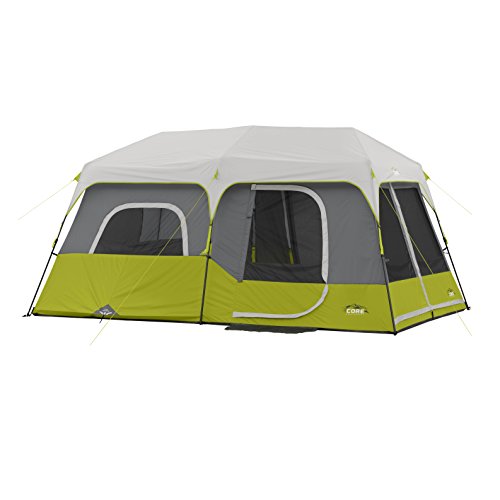
CORE 9 Person Instant Cabin Tent | Large Multi Room Family Pop Up Tent for 2 Minute Camp Setup

FanttikOutdoor Zeta C6 Pro 6 Person Tent for Camping Setup in 60s (Khaki) | Camping Tent with Rainfly & Windproof, Portable Instant Cabin Tent with Carry Bag for Family Camping & Hiking

Coleman 4/6/8/10 Person Instant Camping Tent with 1-Minute Setup | Easy Setup & Storage, Spacious Interior, Pre-Attached Poles, 3-Season Family Tent, Gear Pockets, Carry Bag

HINSTANT 4/6/8/10 Person Instant Tent,Pop Up Tents for Camping with Rainfly | 60 Seconds Easy Setup,Cabin Tent for Family Camping with Expandable Carry Bag & Upgraded Ventilation
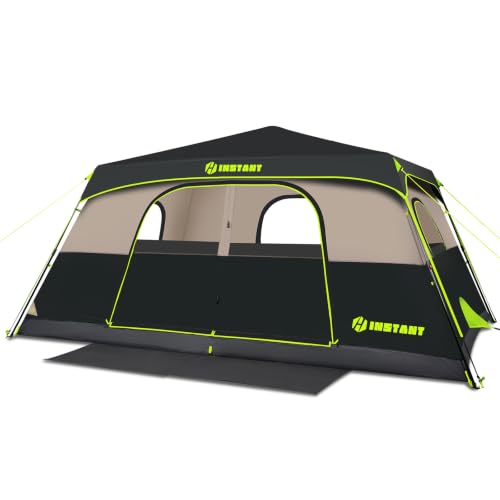
HINSTANT 4/6/8/10 Person Instant Tent,Pop Up Tents for Camping with Rainfly | 60 Seconds Easy Setup,Cabin Tent for Family Camping with Expandable Carry Bag & Upgraded Ventilation

HINSTANT 4/6/8/10 Person Instant Tent,Pop Up Tents for Camping with Rainfly | 60 Seconds Easy Setup,Cabin Tent for Family Camping with Expandable Carry Bag & Upgraded Ventilation
Disclaimer
Outdoor activities involve inherent risks. The information provided on CampLifeEssentials is for educational purposes only. We are not responsible for any injuries, losses, or damages resulting from the use of this information. Some content may use AI assistance. Always practice Leave No Trace principles and verify local regulations before camping. If you do not agree, please do not use this website. Read the full disclaimer.