Tent for Cold and Rainy Weather: A Complete Buyer's Guide
Learn how to choose a tent that keeps you dry, warm, and comfortable when the weather turns nasty. From waterproof ratings to condensation control, we cover everything you need to know.
START LEARNINGCamping in cold and rainy weather can be a magical experience—or a miserable one. The difference often comes down to your tent. A tent designed for these conditions will protect you from wind, rain, and snow, while also managing the moisture you create inside. But what exactly makes a tent suitable for cold and rainy weather? It's not just about a waterproof coating. It's about pole strength, fabric durability, ventilation, and a design that sheds water and snow effectively.
Whether you're planning a late-season backpacking trip, a winter car camping adventure, or just want a tent that won't fail you when the forecast turns grim, this guide will walk you through the key features to look for. We'll explain the difference between 3-season and 4-season tents, how to interpret waterproof ratings, why condensation is your enemy, and how to set up your tent for maximum protection. By the end, you'll have the knowledge to choose a tent that matches your camping style and keeps you comfortable in challenging conditions.
CampLifeEssentials Philosophy: A tent is your shelter and your sanctuary. In cold and rainy weather, it's also your lifeline. Invest in a tent that's designed for the conditions you'll face, and you'll camp comfortably and safely, no matter what the sky throws at you.
Key Factors When Choosing a Tent for Cold and Rainy Weather
1. 3-Season vs. 4-Season Tents
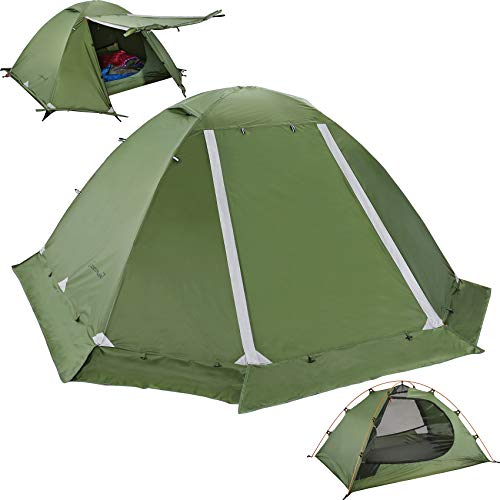
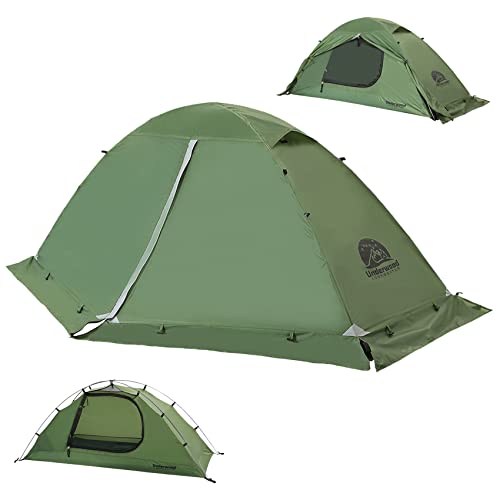
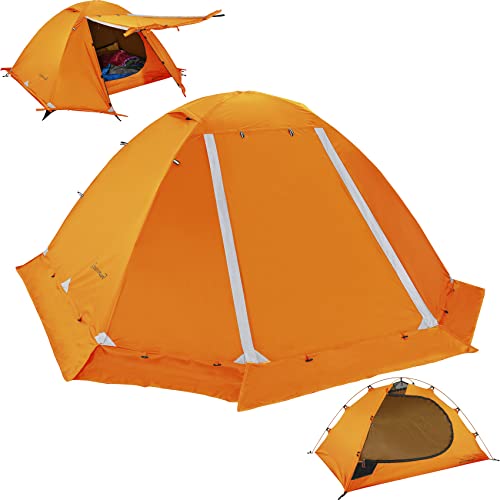
The first decision you'll face is whether to buy a 3-season or a 4-season tent. A 3-season tent is designed for spring, summer, and fall. It prioritizes ventilation, lightweight materials, and versatility. Many 3-season tents can handle light rain and cold, but they may struggle with heavy snow loads or extreme cold. A 4-season tent, on the other hand, is built for winter and harsh conditions. It uses stronger fabrics, more poles for structural integrity, and a fully enclosed design to keep out wind and snow. However, 4-season tents are heavier and less ventilated, which can lead to condensation if not managed properly.
For most campers who occasionally face cold rain, a high-quality 3-season tent with a full-coverage rainfly and a sturdy pole structure is sufficient. If you plan to camp in freezing temperatures, deep snow, or high winds regularly, a 4-season tent is the safer choice. For more on winter-specific gear, see our winter tents guide.
2. Waterproof Ratings and Fabric Quality
Waterproof ratings are measured in millimeters (mm) and indicate how much water pressure a fabric can withstand before water seeps through. For rainy weather, look for a floor and rainfly rating of at least 3,000mm. For sustained heavy rain or snow, 5,000mm or higher is ideal. But rating is only part of the story—fabric quality matters too. Look for ripstop polyester or nylon with a polyurethane (PU) or silicone coating. These fabrics are durable, UV-resistant, and less prone to stretching when wet.
Seams are another critical point. Even the most waterproof fabric will leak if the seams aren't sealed. Look for tents with factory-taped seams or plan to seal them yourself with a seam sealer. For a deeper dive into materials, read our article on nylon vs. polyester for tents.
3. Condensation Control and Ventilation
Condensation is the silent enemy of cold-weather campers. When warm, moist air from your breath and body hits the cold inner walls of your tent, it condenses into water droplets. Over time, this can soak your sleeping bag and gear. To combat condensation, you need ventilation. Look for tents with adjustable vents, mesh panels that can be covered in cold weather, and a double-wall design. A double-wall tent has an inner tent (often mesh) and a separate rainfly. The air gap between them acts as insulation and helps manage moisture.
Single-wall tents are lighter and simpler, but they are more prone to condensation, especially in cold weather. If you choose a single-wall tent, make sure it has excellent ventilation options and be prepared to manage moisture actively. For tips on staying warm and dry, see our guide on keeping a tent warm in cold weather.
4. Pole Strength and Structural Integrity
In cold and rainy weather, wind and snow can put immense stress on your tent. Weak poles can snap, leaving you exposed. Look for tents with aluminum poles rather than fiberglass. Aluminum poles are stronger, lighter, and less likely to break in cold weather. The pole configuration also matters. A geodesic design (with poles crossing at multiple points) is more stable in wind than a simple dome. For snow, a tent with a steep roof angle sheds snow better than a flat one. If you're expecting heavy snow, consider a tent with a sturdy frame and reinforced guy-out points.
For those who camp in snow, our article on how to set up a tent on snow provides practical tips. And if you're looking for a tent that can handle extreme conditions, explore our guide to hot tent camping, which uses a stove jack for heat.
5. Size and Shape Considerations
A tent that's too large for the number of occupants can be harder to keep warm. A smaller tent heats up faster with body heat. However, you also need space for gear and movement. A good rule of thumb is to choose a tent rated for one more person than your group size—so a 2-person tent for solo camping, or a 3-person tent for a couple. This gives you room for gear and helps prevent condensation by allowing better airflow.
Vestibules are also valuable in rainy weather. They provide a protected space to store wet gear, cook (if safe and ventilated), and remove muddy boots before entering the main tent. Look for a tent with at least one large vestibule. For family camping in cold weather, our big family tent guide can help you find a spacious option.
3-Season vs. 4-Season Tents: A Quick Comparison
| Feature | 3-Season Tent | 4-Season Tent |
|---|---|---|
| Best For | Spring, summer, fall; light rain and cold | Winter, heavy snow, high winds, extreme cold |
| Ventilation | Excellent (mesh panels, large vents) | Limited (small vents, fully enclosed) |
| Weight | Lighter | Heavier (stronger poles, thicker fabrics) |
| Pole Strength | Good (aluminum or fiberglass) | Excellent (aluminum, more poles) |
| Condensation Risk | Lower (better airflow) | Higher (needs careful management) |
| Waterproof Rating | 3,000mm+ typical | 5,000mm+ typical |
Setup and Maintenance Tips for Cold and Rainy Weather
Pitching Your Tent
Where and how you pitch your tent can make a big difference in wet, cold conditions. Choose a site that's slightly elevated to avoid pooling water. Look for natural windbreaks, like trees or large rocks, but avoid dead branches that could fall. If you're expecting rain, pitch your tent with the door facing away from the wind. Use a footprint or ground tarp under your tent to protect the floor and add an extra layer of waterproofing. Our guide on setting up a tent in the rain offers step-by-step advice.
In snow, you'll need to prepare the ground differently. Learn how to set up a tent in the snow and consider using a snow shelter or a portable heater for extra warmth (always follow safety guidelines).
Managing Moisture and Staying Warm
Even with a good tent, moisture management is an ongoing task. Here are a few practical tips:
- Ventilate: Keep vents open even in cold weather. A small amount of airflow prevents condensation buildup.
- Use a sleeping pad: A well-insulated pad (like a self-inflating pad) protects you from the cold ground.
- Change clothes: Avoid sleeping in damp clothing. Have a dedicated set of dry, warm layers for sleeping.
- Store gear wisely: Keep wet gear in the vestibule, not inside the tent. Use a heavy-duty trash bag for extra protection.
- Cook outside: Never cook inside a tent unless it's designed for it and well-ventilated. Carbon monoxide is a serious risk.
For more on staying warm, check out our article on how to stay warm in winter and our guide to winter sleeping bags.
Frequently Asked Questions
What is the main difference between a 3-season and a 4-season tent?
A 3-season tent prioritizes ventilation and weight, making it great for spring, summer, and fall. A 4-season tent uses stronger fabrics, more poles, and a fully enclosed design to handle snow loads and high winds, but it is heavier and less ventilated, which can lead to condensation if not managed.
How do I prevent condensation inside my tent?
Ventilation is key. Look for tents with adjustable vents, mesh panels that can be covered, and a double-wall design. Avoid cooking inside, and try to pitch your tent in a spot with natural airflow. Leaving a small gap in the door or vent can make a big difference.
What does 'waterproof rating' mean, and what rating is best for rainy weather?
Waterproof ratings (measured in millimeters) indicate how much water pressure a fabric can withstand before leaking. For rainy weather, look for a floor and rainfly rating of at least 3,000mm. For sustained heavy rain or snow, 5,000mm or higher is ideal.
Can I use a 3-season tent in cold weather?
You can, but with limitations. A 3-season tent can handle light frost and rain, but it may struggle with heavy snow loads, high winds, and extreme cold. If you plan to camp in freezing temperatures regularly, a 4-season tent is a safer and more comfortable choice.
Further Reading
To help you prepare for your next cold-weather adventure, explore these related guides:
- Winter Camping Guide – Everything you need to know about camping in the cold.
- Winter Camping Gear Guide – A comprehensive checklist of gear for cold conditions.
- Camping in the Winter in a Tent – Specific tips for tent camping in winter.
- Sleeping in a Tent in Cold Weather – How to stay warm and comfortable at night.
- Heated Tent Camping – Using heaters safely in your tent.
- Pop-Up Tent for Cold and Rainy Weather – If you prefer an instant setup option.
- Camping in a Tent in the Rain – Tips for dealing with wet weather.
Ready to Gear Up?
Browse our recommended tents and gear for cold and rainy weather. We've selected products that balance performance, durability, and value.
View Recommended Gear