Folding Canopy: The Complete Guide to Portable Shade & Shelter
Discover how a folding canopy delivers instant shade, weather protection, and versatility for camping, tailgating, beach days, and outdoor events. Learn what to look for and how to choose the right one for your adventures.
VIEW TOP PICKSWhy a Folding Canopy Belongs in Your Gear Kit: A folding canopy sets up in seconds, packs down small, and provides reliable shade for any outdoor activity. Whether you're protecting a picnic from the sun, creating a base camp at a festival, or shielding your tailgate spread from rain, a quality canopy is one of the most versatile investments you can make.
What Is a Folding Canopy?
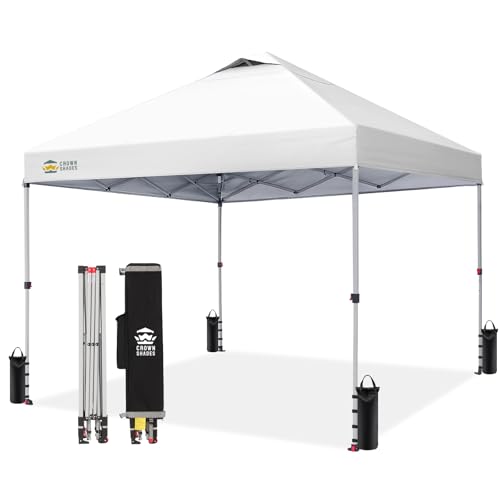
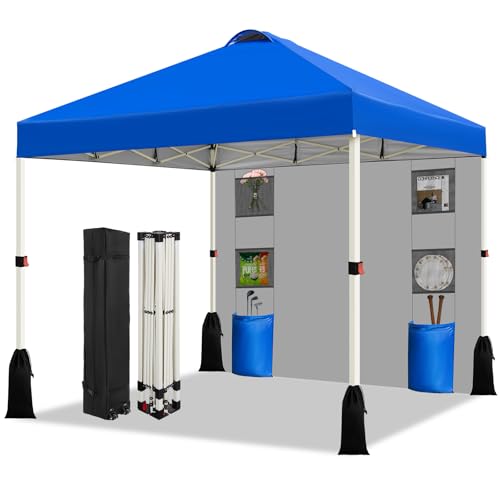
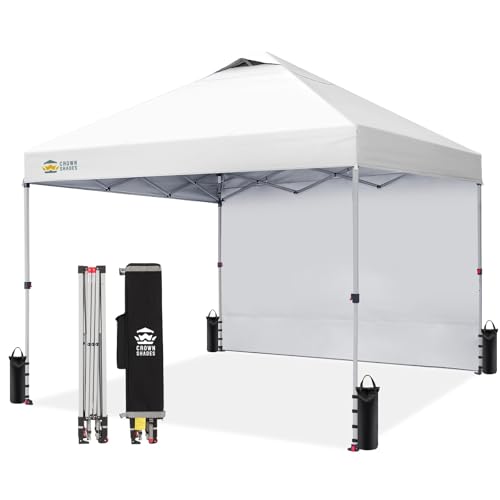
A folding canopy — also called a pop-up canopy or instant shelter — is a freestanding, portable roof structure with a folding frame and fabric top. Unlike traditional camping canopy tents that may require separate poles, a folding canopy uses a scissor-like metal frame that expands and locks into place. The fabric top is permanently attached to the frame, so there are no loose parts to lose. Most models come with a wheeled carry bag and can be set up by one person in under two minutes.
These shelters are popular across many outdoor scenarios: tailgating, beach camping, camping with kids, and even music festival camping where quick shade is essential. They also work well as a base camp setup for larger camping trips.
Key Features to Consider Before Buying
Frame Material & Durability
Entry-level canopies often use thinner steel or aluminum frames. Mid-range models typically feature thicker gauge steel or reinforced aluminum with rust-resistant coatings. Premium and heavy-duty canopies use commercial-grade steel or aircraft-grade aluminum, often with truss-style reinforcement for superior wind resistance.
Fabric & Weather Protection
Budget-friendly canopies usually offer basic polyester or polyethylene tops with minimal UV treatment. Mid-tier models upgrade to 150D–300D polyester with PU coating for water resistance and UPF 50+ sun protection. High-end canopies may use 600D fabrics, reflective coatings, or even flame-retardant materials for commercial use.
Size & Coverage Area
The most common sizes are 10x10 and 12x12 feet, providing roughly 100–144 square feet of shade. Smaller 8x8 or 6x6 options suit solo users or tight spaces. Larger 10x20 canopies create expansive event shelters. Consider how many people and how much gear you need to cover.
Height & Adjustability
Most canopies offer 3–4 height settings, typically ranging from about 6 to 8 feet at the peak. Taller settings improve airflow and headroom; lower settings increase stability in wind. Some models feature push-button or pull-pin adjustment mechanisms — the smoother the mechanism, the easier the setup.
Portability & Storage
Look for a canopy that packs into a wheeled bag with a strap. Weight varies significantly: lightweight aluminum models can weigh under 30 pounds, while heavy-duty steel canopies may exceed 50 pounds. Consider where you'll store it and how far you'll carry it.
Wind Resistance & Anchoring
All canopies need proper anchoring. Look for models that include stakes, sandbags, or guy lines. Premium models may have reinforced feet with anchor points. Never leave a canopy unattended in gusty conditions — even heavy-duty models can become airborne.
How Canopy Tiers Compare
To help you understand the market without focusing on specific prices, here's a breakdown of what you can generally expect at each quality tier:
| Feature | Entry-Level | Mid-Range | Premium / Heavy-Duty |
|---|---|---|---|
| Frame | Thin steel or basic aluminum | Thicker steel or reinforced aluminum | Commercial-grade steel or aircraft aluminum with truss reinforcement |
| Fabric | Basic polyester, minimal UV treatment | 150D–300D polyester with PU coating, UPF 50+ | 600D fabric, reflective or flame-retardant options |
| Setup Mechanism | Basic push-pin, may require two people | Smoother push-button or pull-pin, one-person setup | Quick-release, one-person setup with minimal effort |
| Wind Resistance | Basic — needs careful anchoring | Good — includes stakes and guy lines | Excellent — reinforced feet and heavy-duty anchoring points |
| Portability | Standard carry bag, may lack wheels | Wheeled bag with strap | Heavy-duty wheeled bag, sometimes with backpack straps |
| Best For | Occasional use, calm weather, short events | Regular camping, tailgating, beach days | Frequent use, commercial events, windy conditions |
Pros and Cons of Folding Canopies
Advantages
- Sets up in minutes with no loose poles or parts
- Portable and packs into a compact carry bag
- Provides instant shade and rain protection
- Versatile — works for camping, tailgating, beach, events
- Available in many sizes and quality tiers
- Can be used freestanding or anchored with stakes
Limitations
- Not designed for extreme wind or heavy snow
- Larger models can be heavy to carry long distances
- Fabric may degrade over time with prolonged UV exposure
- Most models are not fully waterproof without sidewalls
- Requires proper anchoring to prevent wind damage
Setup, Care & Maintenance Tips
Setup: Always set up on a flat, clear surface. Remove the canopy from its bag, stand it upright, and carefully expand the frame one leg at a time. Never force the mechanism — if it sticks, check for fabric caught in the joints. Once fully expanded, lock each leg at your desired height. Anchor the canopy immediately with stakes or sandbags, even on calm days.
Maintenance: Clean the fabric with mild soap and water, then let it air-dry completely before folding. Avoid folding a wet canopy — trapped moisture can cause mildew and frame corrosion. Store the canopy in a dry place. Periodically check the frame for loose screws or bent joints. If you notice wear on the fabric, patch it promptly to prevent tears from spreading. For extended trips, consider a footprint or ground tarp to protect the canopy from abrasion when placed on rough surfaces.
If you're using your canopy for beach camping, rinse it after exposure to salt air to prevent corrosion. For winter camping, keep in mind that most standard canopies are not designed to bear snow loads — clear snow promptly or choose a model rated for winter use.
Ready to Find Your Perfect Canopy?
Explore our curated selection of folding canopies below — from entry-level options for occasional use to heavy-duty models built for frequent outdoor adventures.
Frequently Asked Questions
What size folding canopy do I need?
For a small group of 2–4 people, a 10x10 canopy is usually sufficient. For families or larger gatherings, consider 12x12 or even 10x20 models. If you're using it primarily for tailgating, a 10x10 with sidewalls offers good coverage for a vehicle and a small seating area.
Can a folding canopy be used in rain?
Most mid-range and premium canopies have water-resistant fabric that handles light to moderate rain. However, seams and zippers may let water through in heavy downpours. For full rain protection, choose a model with taped seams or add sidewalls. Always let the canopy dry completely before storing it to prevent mildew.
How do I anchor a folding canopy in wind?
Use all provided stakes and guy lines. Fill sandbags or weight bags and attach them to each leg. If the canopy has anchor points on the frame, use them. Lower the canopy height to reduce wind exposure. Never leave a canopy unattended in gusty conditions — even heavy-duty models can be damaged or blown over.
Can I use a folding canopy for camping?
Yes — a folding canopy works well as a shade shelter over a picnic table, a cooking area, or a seating zone. It's not a substitute for a tent (it has no floor or enclosed sleeping area), but it makes an excellent addition to your base camp setup. For sleeping, pair it with a pop-up sun shade shelter or a dedicated tent.
How long does a folding canopy last?
With proper care, an entry-level canopy may last 2–3 years of occasional use. Mid-range models typically last 3–5 years, while premium and heavy-duty canopies can last 5–10 years or more with regular maintenance. Storage conditions and frequency of use are the biggest factors in longevity. For related reading, see how long tents last.
Related Gear & Guides
A folding canopy pairs well with many other outdoor essentials. If you're setting up a comfortable camp, consider adding a portable foldable stool or comfortable camp chairs for seating. For cooking and food prep under your canopy, a camping kitchen setup or a single burner propane camp stove keeps things organized. And for evening ambiance, a rechargeable battery-powered lantern hangs easily from the canopy frame.
If you're planning a beach trip, check out our guides to beach camping and the beach tent that blows in the wind for windy-day alternatives. For camping with kids, a canopy provides essential shade — pair it with a pop-up privacy tent for a full outdoor comfort station. And if you're heading to a festival, our Bonnaroo camping guide covers canopy-friendly setups.