Camping Canopy Tent: The Complete Buyer's Guide & Setup Manual
Everything you need to know about choosing, setting up, and using a camping canopy tent. From pop-up shelters to instant canopies with sidewalls — make an informed decision for your next outdoor adventure.
Why a Canopy Tent Matters: A reliable camping canopy tent transforms your campsite into a comfortable, shaded, and weather-protected base. Whether you're camping with family, tailgating, or setting up a base camp, the right canopy shelter makes every outdoor experience more enjoyable. This guide covers everything from sizing and materials to setup techniques and maintenance.
What Is a Camping Canopy Tent?
A camping canopy tent is a freestanding shelter with a fabric roof supported by a metal or fiberglass frame. Unlike traditional camping tents that enclose you in a sleeping area, canopy tents are open-sided structures designed to provide shade, rain protection, and a dedicated outdoor living space. They are commonly used as dining shelters, kitchen covers, gathering spaces, and gear protection zones at campsites.
Modern canopy tents have evolved significantly from their early predecessors. Today's models range from basic pop-up shelters to sophisticated instant canopies with sidewalls, integrated LED lighting, and heavy-duty frames. The most popular configurations — such as the 10 x 10 canopy tent with sidewalls and the 10x10 pop-up canopy tent — offer an excellent balance of coverage, portability, and ease of use.
How a Canopy Tent Differs from a Regular Camping Tent
Understanding the distinction is important when planning your gear. A regular camping tent is a fully enclosed sleeping shelter with a floor, walls, and a door. A canopy tent, by contrast, is an open-air structure. It has a roof and legs but typically no floor or integral walls (though models with removable sides are available). Many campers bring both: a sleeping tent for nighttime privacy and a canopy tent for daytime activities.
If you're new to camping and still building your kit, our guide on what to take on a camping trip can help you decide whether a canopy tent belongs on your packing list. For those who prefer instant shelters over pole-and-sleeve designs, exploring pop-up camping tents alongside canopy options is worthwhile.
Types of Camping Canopy Tents
Canopy tents are not one-size-fits-all. The right type depends on how you camp, how many people you shelter, and how much portability you need.
Pop-Up Canopy Tents
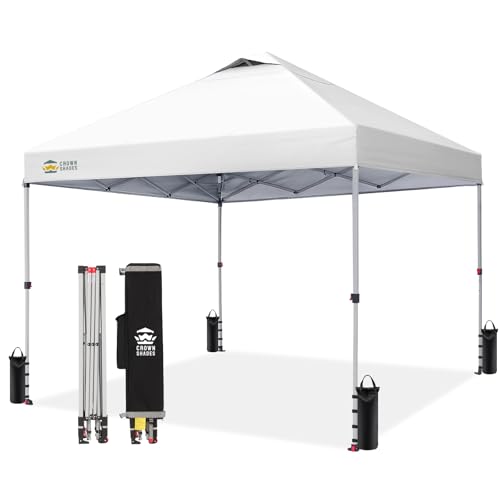
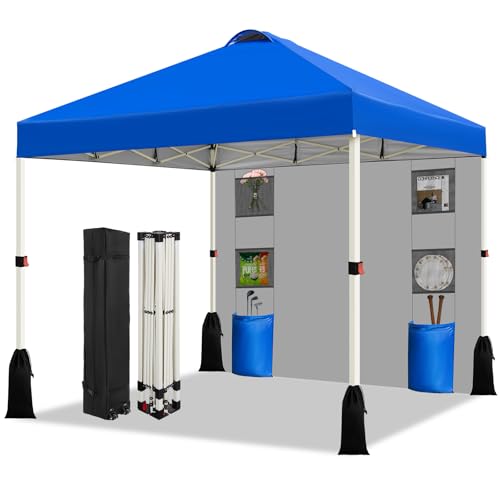
Pop-up canopy tents are the most popular choice for casual campers and tailgaters. The frame and canopy come pre-assembled, and setup involves simply expanding the frame and pushing up the center hub. These are ideal for quick shade at the beach, a picnic area, or a campsite. The 10x10 pop-up canopy tent is a classic size that fits in most car trunks and provides enough shade for a small group.
Larger options like the 10 x 20 pop-up canopy tent offer double the coverage and are excellent for family gatherings or group camping. If you need even more space, the 10 x 20 pop-up tent with sides adds wind protection and privacy.
Instant Canopy Tents with Sidewalls
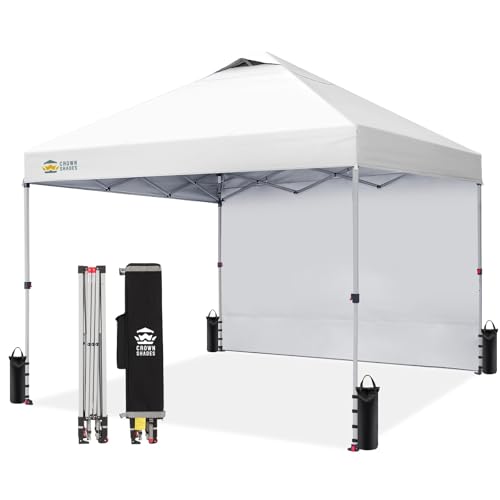
Models with sidewalls provide additional protection from wind, rain, and sun. They are particularly useful in open areas where wind is a factor. The 10 x 10 canopy tent with sidewalls is a versatile option that can be configured with one, two, or all four sides attached depending on conditions. This style is popular for camping in exposed locations and for creating a semi-private cooking or changing area.
Specialty and Large-Format Canopy Tents
If you need a substantial sheltered area, consider larger formats. The 10 x 20 easy pop-up canopy party tent offers event-scale coverage, while the 12 x 12 pop-up canopy tent provides extra room for tables and chairs. For custom applications, there are even custom pop-up canopy tents with logo graphics suitable for group events and brand visibility.
For hybrid setups — a canopy combined with an enclosed sleeping or screen area — the 5-in-1 convertible instant tent and shelter offers modular flexibility. Similarly, a pop-up tent sun shade shelter is a lightweight option for beach days and short outings.
Key Features to Consider Before Buying
Choosing a canopy tent involves evaluating several key features. This section breaks down what matters most so you can make a confident decision.
Canopy Material and Weather Resistance
The canopy fabric is the first line of defense against sun and rain. Look for canopies made from durable polyester or nylon with a water-resistant coating and UV protection. Nylon and polyester both have strengths: nylon is lighter and more packable, while polyester resists UV degradation better over time. Many premium canopy tents use a polyester canopy with a silver or white reflective coating to reduce heat buildup underneath.
For camping in wetter climates, consider a canopy with a waterproof rating or a separate rain fly. Always pair your canopy with heavy-duty tent stakes and guy lines to secure it against wind.
Frame Construction and Durability
Frame material affects both weight and durability. Steel frames are heavier but more robust; aluminum frames are lighter and rust-resistant but can be more expensive. Look for frames with reinforced joints, thick leg walls, and a powder-coated finish for corrosion resistance. Entry-level models often use thinner steel, while mid-range and premium canopy tents typically feature thicker gauge aluminum or reinforced steel.
Size and Coverage
Canopy size directly determines how many people and how much gear you can shelter. As a rule of thumb:
- 10x10 canopy: Fits 6–8 people seated or a small table with chairs. Ideal for couples and small families.
- 10x20 canopy: Fits 12–16 people seated or two tables. Great for larger families and group camping.
- 12x12 canopy: Offers extra depth for a dining area plus a cooking station.
For a deeper comparison of tent capacities, see our guide on how to choose tent size.
Portability and Packed Size
If you're car camping, portability is less critical — a heavier canopy with a wheeled bag is fine. If you're hiking or backpacking to your site, look for lightweight pop-up canopies that pack into a compact carry bag. The 2-person compact portable pop-up tent is an example of a highly portable shelter, though dedicated canopy tents typically prioritize coverage over minimal packed size.
Setup Mechanism: Manual vs. Instant
Manual canopy tents require assembling poles and threading the canopy fabric — a process that takes 10–20 minutes. Instant canopy tents use a pre-assembled frame that pops open in under two minutes. For most campers, an instant or pop-up mechanism is the preferred choice. The instant setup cabin tent and similar instant models demonstrate how quick-setup technology has improved.
Canopy Tent Size Comparison
| Size | Best For | Seated Capacity | Typical Use Case |
|---|---|---|---|
| 10x10 | Couples, small families | 6–8 people | Shade shelter, dining area, tailgating |
| 10x20 | Large families, groups | 12–16 people | Group camping, events, base camp kitchen |
| 12x12 | Families with gear | 8–10 people | Dining plus cooking station |
| 10x20 with sides | Windy or rainy conditions | 12–16 people | All-weather shelter, privacy screen |
Pros and Cons of Camping Canopy Tents
✔ Advantages
- Quick setup with pop-up and instant models
- Excellent sun and light rain protection
- Creates a dedicated outdoor living space
- Versatile — use for camping, tailgating, beach, events
- Sidewalls add wind protection and privacy
- Affordable compared to full tent structures
✘ Limitations
- Not designed for high winds or severe storms
- Open sides offer no privacy without added walls
- Canopy fabric can degrade with prolonged UV exposure
- Larger sizes are heavy and bulky to transport
- Condensation can form underneath in humid conditions
- Not a substitute for a sleeping tent
Understanding these trade-offs helps set realistic expectations. A canopy tent excels as a daytime shade and weather shelter, but it should always be paired with a proper sleeping tent and camped responsibly. Before heading out, review our camping FAQ for general guidance on shelter selection and campsite setup.
How to Choose the Right Camping Canopy Tent
With so many options available, narrowing down your choice can feel overwhelming. Follow this step-by-step approach to find the canopy tent that best fits your needs.
Step 1: Determine Your Primary Use
Will the canopy be used primarily for camping, tailgating, beach trips, or as a permanent shade structure? Camping-focused canopy tents prioritize weather resistance and stake-down security. Event and tailgating models may prioritize setup speed and wheeled carrying bags. For camping, a model like the 10 x 10 canopy tent with sidewalls offers the weather protection most campers need.
Step 2: Choose the Right Size
Match the canopy footprint to your group size and gear. A 10x10 is the most versatile all-rounder. If you regularly camp with a family of four or more, or if you want to shelter a cooking station and a dining table simultaneously, step up to a 10x20 or 12x12. For solo campers and couples, a 10x10 is usually sufficient. Review our tent size guide for additional context on capacity planning.
Step 3: Evaluate Weather Resistance
Check the canopy's water-resistance rating, UV protection level (UPF rating), and frame wind resistance. If you camp in exposed areas, invest in a model with thicker legs, reinforced joints, and included guy lines. Consider adding heavy-duty tent stakes for soft ground and using sandbags at each leg for added stability. If winter camping is on your horizon, review our winter camping gear guide to understand how shelter needs change in cold weather.
Step 4: Consider Setup and Portability
If you frequently move campsites or camp solo, prioritize a lightweight pop-up model with a compact carry bag. If the canopy will stay in one place for extended periods, a heavier, more robust model is a better investment. The folding canopy category covers many of these portable options.
Step 5: Check for Sidewalls and Accessories
Sidewalls are a valuable addition for wind protection and privacy. Look for models that include removable sidewalls or that have a sidewall-compatible design. Other useful accessories include weight bags, LED lighting strips, and sandbag anchor kits.
Pro Tip: Always set up your canopy tent at home before your trip. This lets you confirm all parts are present, practice the setup sequence, and identify any missing stakes or guy lines — before you're at the campsite.
How to Set Up a Camping Canopy Tent
Setting up a canopy tent is straightforward once you understand the basic sequence. The exact steps vary slightly by model, but the general process is as follows:
- Choose a level, clear spot. Remove rocks, branches, and debris from the setup area. If possible, position the canopy to block the prevailing wind and maximize shade during the hottest part of the day.
- Unpack and lay out the frame. Remove the canopy from its bag and lay the frame flat with the legs pointing outward. If the canopy fabric is separate, drape it over the frame before expanding.
- Expand the frame. With a partner or on your own, pull the legs outward until the frame clicks into place at each corner. Many pop-up frames have push-button locks — ensure each leg is fully extended and locked.
- Push up the center hub. On pop-up models, push the center hub upward until it locks. This raises the roof to full height. On manual models, extend the center poles and secure them.
- Attach the canopy. If the canopy was separate, secure it to the frame using the built-in hooks, Velcro straps, or sleeves. Smooth out wrinkles so water doesn't pool.
- Adjust height and secure. Set the legs to your desired height (most canopies offer 3–4 height settings). Stake down each leg using the included stakes and attach guy lines to the frame's D-rings for added stability.
- Add sidewalls if desired. Attach sidewalls using the provided Velcro or zipper attachments. Start with the windward side to block prevailing wind.
For tips on setting up shelters in challenging conditions, see our guides on setting up a tent in the rain and setting up a tent on the beach. If you're camping alone, our solo camping safety guide offers valuable precautions.
Best Practices for Using a Canopy Tent
Getting the most from your canopy tent means using it safely and maintaining it properly. Follow these best practices:
- Always stake down your canopy. Even on calm days, a sudden gust can lift an unsecured canopy. Use all four stakes and attach guy lines.
- Use weights in addition to stakes. Sandbags or water weights at each leg provide extra stability, especially on hard surfaces like concrete or packed gravel.
- Never use a canopy in high winds. If winds exceed 20–25 mph, lower the canopy or take it down. Canopy frames are not designed for severe weather.
- Prevent water pooling. During rain, check that the canopy roof is taut. If water pools, push it off from underneath or adjust the height.
- Ventilate in hot weather. Keep sidewalls open on hot days to promote airflow. Consider a canopy with a vented roof for better heat dissipation.
- Store dry. Always allow the canopy to dry completely before packing it away. Storing a damp canopy leads to mildew and fabric degradation.
- Practice Leave No Trace. Follow Leave No Trace principles by packing out all waste and minimizing your impact on the campsite.
For campfire safety near your canopy, review our campfire safety rules and learn how to extinguish a campfire properly. If you're camping in areas with wildlife, familiarize yourself with food storage rules to keep animals away from your shelter.
Canopy Tent Maintenance and Care
A well-maintained canopy tent can last for many seasons. Here's how to keep yours in top condition:
- Clean the canopy fabric regularly. Use mild soap and water, and avoid harsh detergents that can strip waterproof coatings.
- Inspect the frame after each use. Check for bent poles, loose joints, and worn push buttons. Replace damaged parts promptly.
- Reapply water repellent as needed. After several seasons, the canopy's water-resistant coating may wear off. Spray-on fabric protectors can restore repellency.
- Store in a cool, dry place. Avoid storing your canopy in damp basements or hot garages, which can degrade fabric and rubber components.
If you're considering a full replacement rather than repair, our article on how long tents last provides useful benchmarks. For those weighing the value of higher-end gear, see are expensive tents worth it.
Frequently Asked Questions About Camping Canopy Tents
What size camping canopy tent do I need?
The right size depends on your intended use. A 10x10 canopy tent works well for small groups or as a personal shade shelter. For family camping, tailgating, or larger gatherings, a 10x20 canopy tent provides significantly more covered space. Consider how many people will be seated underneath and whether you need room for a table, chairs, and gear.
Can a camping canopy tent handle wind and rain?
Quality canopy tents are designed to handle light to moderate weather, but they are not all-weather shelters. Look for models with water-resistant or waterproof canopies, sturdy frame construction, and included guy lines and stakes. Never use a canopy tent in high winds or severe storms. Always stake down your canopy securely and use sandbags or weights for added stability.
How do I set up a camping canopy tent by myself?
Most pop-up canopy tents are designed for quick solo setup. Start by unpacking the frame and laying it flat. With the canopy fabric attached or ready to attach, extend the legs outward until the frame clicks into place. Then, push up the center hub until it locks. Attach the canopy if it was separate, secure the legs at your desired height, and stake down the feet with guy lines attached for stability.
Are canopy tents waterproof?
Most camping canopy tents come with water-resistant canopies that repel light rain, but they are generally not fully waterproof. For better rain protection, look for canopies made from materials like polyester with a waterproof coating or a separate rain fly. Avoid using canopy tents in heavy downpours, as water can pool on the roof and compromise the structure.
Can I use a canopy tent for sleeping?
Canopy tents are not designed for sleeping — they lack enclosed walls, floors, and insect protection. For sleeping, you'll need a proper camping tent. However, a canopy tent pairs excellently with a sleeping tent: use the canopy for daytime shade, cooking, and gathering, and the sleeping tent for overnight rest.
Ready to Find Your Perfect Canopy Tent?
Explore our curated selection of top-rated camping canopy tents below. Whether you need a compact pop-up for solo trips or a spacious instant canopy with sidewalls for family camping, we've gathered the best options to help you make a confident purchase.