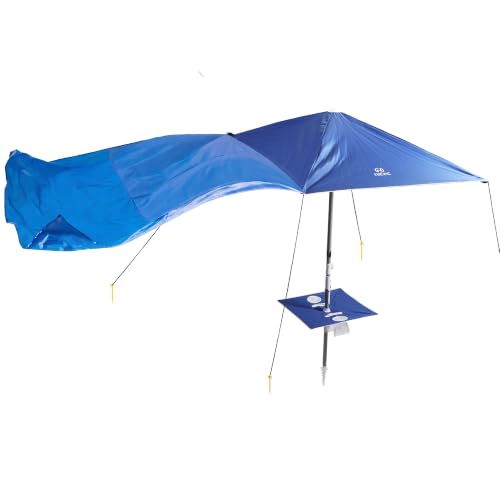
Beach Sun Shade That Blows in the Wind: A Complete Buyer's Guide
Windy beach days don't have to mean sunburn or a collapsed shelter. Learn how to choose a beach sun shade built to handle gusts without flipping or flying away.
Explore Wind-Ready ShadesWhy Wind-Resistant Beach Shades Matter: Anyone who's spent a day at a breezy beach knows the struggle — umbrellas tip over, pop-up canopies tumble down the sand, and cheap tents collapse the moment the wind picks up. A wind-friendly beach sun shade solves that problem by using flexible poles, aerodynamic shapes, and secure anchoring to stay put when gusts hit. Whether you're relaxing on the shore or camping near the coast, choosing the right wind-resistant shade makes all the difference.
Types of Beach Sun Shades That Handle Wind
Not every beach shelter is built for windy conditions. Traditional umbrellas and pop-up canopies often fail in a stiff breeze, while other designs are specifically engineered to flex, vent, or shift without collapsing. Here's a breakdown of the main types and how they perform in wind:
| Type | Wind Performance | Best Use | Setup Difficulty |
|---|---|---|---|
| Wind-vented Umbrella | Very good — vents release air | Single or couple shade | Easy |
| Flexible Pole Sun Shade | Excellent — bends with gusts | Families, beach picnics | Moderate |
| Pop-Up Beach Tent (vented) | Good — vents and low profile | Small groups, kids | Easy |
| Sun Sail / Tarp Shade | Excellent — turns with wind | Large groups, fixed camps | Moderate |
| Traditional Beach Umbrella | Poor — catches wind easily | Calm days only | Easy |
| Pop-Up Canopy (10x10 style) | Poor to moderate — needs weights | Extended day trips | Moderate |
If you want a versatile shade that also works for camping and backyard use, a 10 ft x 10 ft pop-up canopy is a popular option, though it needs proper weighting. For coastal trips, dedicated beach-specific designs tend to perform better. A beach shade canopy designed for wind is a smarter choice.
Key Features of a Wind-Resistant Beach Sun Shade
Wind-resistance isn't about brute force — it's about smart design. The best shades use a combination of flexibility, ventilation, and anchoring to stay stable. Here are the features that matter most:
Flexible Fiberglass Poles
Rigid aluminum poles bend and snap under pressure. Fiberglass or composite poles flex with gusts and return to shape — the single most important feature in a wind-friendly beach shade.
- Bends instead of breaking
- Lightweight and packable
- Withstands repeated gusts
Vented Canopy Design
Vents or mesh panels allow air to pass through instead of catching it. This drastically reduces lift and keeps the shade from becoming a sail.
- Reduces wind lift
- Improves airflow in hot weather
- Common on wind-rated umbrellas
Sand Anchors & Screw Stakes
Ordinary stakes pull out of loose sand. Screw-in anchors, sandbags, and wide-base plates hold the shade firmly in place.
- Screw-in sand anchors
- Weighted sandbags
- Wide, angled stakes
Aerodynamic Shape
Low-profile, angled, or asymmetrical canopies shed wind more effectively than tall, flat-roofed designs.
- Low center of gravity
- Slanted or curved canopy
- Reduced sail area
Ripstop Fabric & Reinforced Seams
High-quality ripstop nylon or polyester with reinforced stitching stands up to flapping and UV exposure without tearing.
- Ripstop nylon or polyester
- Reinforced corners
- UV-resistant coating
Quick-Release or Pivot Mechanisms
Some premium shades pivot with wind direction, turning like a weather vane instead of fighting the gusts. These designs are especially useful on open beaches.
- Rotates with wind direction
- Reduces stress on poles
- Ideal for exposed shorelines
Comparison: Popular Wind-Friendly Beach Shade Styles
Here's a side-by-side look at how common wind-resistant shades stack up:
| Shade Type | Wind Rating | Weight | Coverage |
|---|---|---|---|
| Flexible Pole Sun Shade | Excellent | Light | Medium to Large |
| Vented Beach Umbrella | Very Good | Medium | Small |
| Wind Vent Pop-Up Tent | Good | Light | Small to Medium |
| Sun Sail / Tarp | Excellent | Medium | Large |
| Pop-Up Canopy (with weights) | Moderate | Heavy | Large |
For a general-purpose option that also works for camping, consider a 10 ft x 10 ft straight leg canopy with sandbags, or a purpose-built wind-friendly beach sun shade for a lighter, more portable solution.
How to Anchor a Beach Sun Shade in Wind
Even the best-designed shade will fly away if it isn't properly anchored. Here are the most reliable anchoring methods for windy beach days:
Bury It Deep
Traditional umbrella bases don't work in sand. Bury poles at least 12 inches deep and pack sand firmly around them. A slight tilt into the wind helps too.
Use Screw Anchors
Screw-in sand anchors are the gold standard for wind resistance. They bite into packed sand and hold far better than stakes. Twist until the anchor head sits flush with the sand.
Fill Sandbags
If your shade came with sandbags, use them. Fill until each bag is heavy and place them at every corner or guy-line point. More weight means more stability.
Angle the Shade
Turn the shade so wind hits the narrow edge rather than the broad side. This reduces surface area and keeps the shade from acting like a sail.
Use Guy Lines
For larger sun sails or tarps, attach guy lines to trees, rocks, or stakes at a 45-degree angle to wind direction. This spreads tension evenly.
Don't Over-Tension
Over-tightening a shade can stress poles and cause failure in a gust. Allow a little slack so the structure can flex naturally.
Wind-Friendly Beach Shades: Pros and Cons
Advantages
- Stays up in breezy conditions
- More reliable than traditional umbrellas
- Provides consistent sun protection
- Often lighter and more packable
- Can be used for camping and picnics
- Safer — fewer flying shade parts
- Less time fixing, more time relaxing
Disadvantages
- Usually higher cost than standard umbrellas
- Some designs are heavier or bulkier
- May require more setup steps
- Not all are suited to extreme wind
- Anchors can be tricky in soft sand
- Limited styles and colors
- Less effective in shifting crosswinds
Beach and Camping Use: A Dual-Purpose Shade
Many wind-friendly beach shades double as campsite shelters. If you plan to use yours for camping too, consider models with UV protection, waterproof coatings, and room for a small group. A 10x10 pop-up canopy with sides — like a 10 x 10 pop-up canopy with screen — offers excellent versatility.
For larger gatherings, a 12 x 12 pop-up canopy with screen provides even more coverage while still being manageable to set up. Just remember to add weights or stakes anytime the wind is above 15 mph.
If you're camping near the coast, check our guides on California beach camping, Oregon coast camping, and beach camping tips. And for general shade solutions, our beach shelter guide and sun shelter overview cover related options.
Frequently Asked Questions: Wind-Friendly Beach Sun Shades
What is the best beach sun shade for windy conditions?
The best options are those with flexible fiberglass poles, vented canopies, and secure sand anchors. Look for a purpose-built beach shade rather than a traditional umbrella. Some wind-friendly umbrellas with vented tops also work well for solo use. Avoid flat-roof pop-up canopies unless you can weight them down heavily.
Do beach umbrellas work in wind?
Traditional beach umbrellas catch wind like a sail, which makes them prone to tipping. However, wind-vented umbrellas — with a top vent that releases air — perform much better. You still need a proper sand anchor or weighted base; standard umbrella spikes will pull out of loose sand.
How do I keep my beach shade from blowing away?
Anchor it properly. Bury poles at least 12 inches deep, use screw-in sand anchors, fill and place sandbags at every corner, and angle the shade so the wind hits its narrow edge. Guy lines with stakes or rocks add extra stability. Never rely on a single anchor point.
Are sun sails better than pop-up canopies in wind?
Sun sails handle wind better than pop-up canopies because they flex and shift instead of resisting. Pop-up canopies have rigid frames that catch wind, and they need heavy weights to stay put. For open beaches with steady breezes, sun sails are usually more reliable.
What wind speed is too much for a beach shade?
Most beach shades perform well up to about 15 to 20 mph. Above that, even the best designs may struggle. If winds are forecast over 25 mph, consider staying home or setting up a rigid, well-weighted shelter only if you have experience. Never risk a shade flying into other beachgoers.
Can I use a beach sun shade for camping?
Yes, many wind-friendly shades work well at campsites too. Look for models with UV protection, adequate coverage, and sturdy stakes. If you're camping on the beach, a wind-rated shade is especially useful. Our beach camping guide covers campsite shelters in more detail.
How do I clean and store my beach shade?
Shake out sand, wipe with a damp cloth, and let the shade air-dry completely before packing. Store in a dry place away from direct sunlight to protect UV coatings. Never pack a damp shade — it can grow mold and damage the fabric. Check the poles and seams for wear each season.
Are more expensive beach shades worth it?
Generally yes, if you beach often or deal with wind. Premium shades use better materials, more thoughtful designs, and hold up longer. Budget shades can work for occasional use but often lack the pole flexibility and anchor systems needed in wind. Our are expensive tents worth it guide covers similar value considerations for tents.
Ready to Beat the Wind on Your Next Beach Day?
From wind-vented umbrellas to flexible-pole sun shades, the right shelter makes all the difference. Explore our recommended beach and camping shades below.
Shop Wind-Ready ShadesContinue Exploring
Expand your beach and camping knowledge with these related guides:
- Beach Shade Canopy That Blows in the Wind — Alternative wind-ready canopies
- Beach Shelter Guide — Compare all beach shelter types
- Sun Shelter Overview — General sun protection options
- Portable Shade Guide — Lightweight sun protection
- Pop Up Beach Tent Sun Shade — Instant beach shade solutions
- 10 ft x 10 ft Pop Up Canopy — Versatile canopy option
- 10 ft x 10 ft Straight Leg Canopy — Sturdy canopy alternative
- 12 x 12 Pop Up Canopy with Screen — Larger screened shade
- Beach Camping Guide — Camping by the ocean
- California Beach Camping — West coast beach camps
- Oregon Coast Camping — Pacific Northwest beach trips
- Maine Coast Camping — East coast coastal adventures