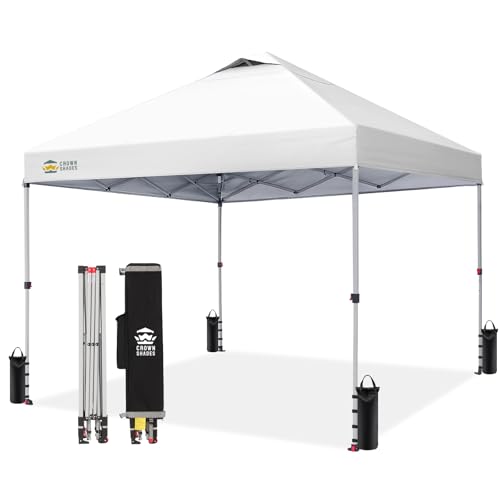
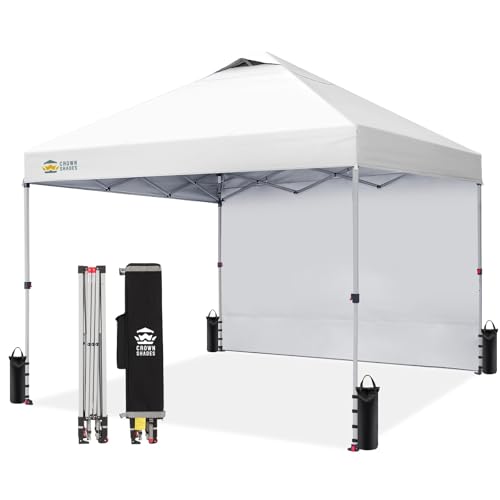
10 ft x 10 ft Pop Up Canopy: The Ultimate Buyer's Guide
Your complete resource for understanding, choosing, and using the most versatile instant shelter for camping, tailgating, and outdoor events.
Why the 10 ft x 10 ft Pop Up Canopy is a Game-Changer for Outdoor Enthusiasts
When you need reliable shade and protection from the elements, few solutions are as practical and versatile as the 10 ft x 10 ft pop up canopy. This instant shelter has become a staple for campers, tailgaters, market vendors, and families hosting backyard gatherings. Its compact footprint when packed, combined with a generous 100 square feet of coverage when deployed, makes it an indispensable piece of outdoor equipment.
Unlike traditional tents that require complex assembly, a pop-up canopy sets up in minutes—often with just one or two people. The spring-loaded frame mechanism allows you to expand the shelter quickly, making it perfect for spontaneous picnics or when you arrive at a campsite after a long drive. For those who enjoy camping with dogs or need a shaded spot for fun things to do on a camping trip, this canopy provides a comfortable base of operations.
But not all 10x10 canopies are created equal. From entry-level models designed for occasional use to premium options built for frequent, heavy-duty applications, the market offers a wide range of choices. This guide will walk you through every consideration—from frame materials and canopy fabrics to setup mechanics and anchoring systems—so you can make an informed decision that suits your specific needs.
What Exactly is a 10 ft x 10 ft Pop Up Canopy?
A 10 ft x 10 ft pop up canopy is a freestanding, portable shelter with a footprint of approximately 10 feet by 10 feet, providing 100 square feet of shaded area. The "pop up" designation refers to the instant setup mechanism: the frame is pre-assembled and unfolds when you pull the legs outward and push the canopy top up. Most models feature a powder-coated steel or aluminum frame with a fabric top made from materials like polyester, Oxford cloth, or vinyl.
These canopies are distinct from traditional camping tents because they are designed primarily for day use and events rather than overnight sleeping. They are open-sided (though many offer optional sidewalls) and often include features like wheeled carry bags, stakes, and guy lines for stability. The 10x10 size is the most popular because it offers a balance between substantial coverage and manageable portability.
If you're considering a different size for larger gatherings, you might explore a 12 ft x 12 ft pop up canopy or a 12 x 12 pop up canopy with side walls for additional coverage. For smaller, more specialized needs, a 10 x 10 pop up canopy with screen can provide insect protection.
Key Features to Evaluate Before You Buy
Selecting the right 10x10 pop up canopy involves understanding the trade-offs between weight, durability, ease of use, and weather resistance. Here are the critical features to compare:
Frame Material and Construction
The frame is the backbone of your canopy. Steel frames are heavier and more affordable, making them suitable for car camping and backyard use where portability is less critical. Aluminum frames are lighter and resistant to rust, ideal for frequent travelers and those who need to carry the canopy long distances. Look for frames with reinforced joints and truss supports; these provide stability in breezy conditions. Entry-level canopies often use thinner tubing, while premium models feature thicker gauge metal and more robust locking mechanisms.
Canopy Fabric and Weather Resistance
The top fabric determines how well your canopy withstands sun, rain, and wind. Polyester is common and offers decent UV protection, but may fade over time. Oxford cloth with a polyurethane coating is more durable and water-resistant. Vinyl is heavy-duty and waterproof but adds weight. Many quality canopies feature a UV-resistant coating rated UPF 50+, which blocks 98% of harmful rays. For rainy climates, consider a canopy with a pop up tent for cold and rainy weather design or one that includes a 10 x 10 canopy tent with sides for full enclosure.
Setup Mechanism and Ease of Use
True "pop up" canopies use a central hub or sliding collar system that expands the frame with minimal effort. Some models feature a "one-person setup" design, where you can push up the center while the legs lock into place. Others require two people to pull the legs apart. Test the mechanism if possible, or read reviews about setup difficulty. The easiest tent to set up and take down often shares similar quick-release mechanisms.
Anchoring and Stability
Even a light breeze can turn an unanchored canopy into a dangerous projectile. Look for canopies that include sturdy stakes (for grass or dirt) and guy lines. Weighted bases or sandbags are essential for use on hard surfaces like pavement or decks. Some models offer pre-drilled holes in the feet for bolting down. If you plan to use your canopy on a beach, consider a beach shade canopy that blows in the wind with specialized sand anchors.
Portability and Storage
Check the packed dimensions and weight. A typical 10x10 canopy weighs between 25 and 50 pounds, depending on materials. A wheeled carry bag is a significant convenience, especially for transporting across parking lots or campgrounds. Some models include a storage pocket for stakes and manuals. If you need to transport your canopy on a vehicle, ensure the bag fits in your trunk or truck bed; for pickup owners, a truck bed camper for 1/2 ton trucks might offer additional storage solutions.
Comparing Canopy Tiers: Entry-Level vs. Mid-Range vs. Premium
To help you navigate the market without focusing on specific prices, we've categorized 10x10 pop up canopies into three quality tiers. This classification reflects relative positioning based on materials, construction, and intended use.
| Feature | Entry-Level | Mid-Range | Premium |
|---|---|---|---|
| Frame Material | Thin steel, basic joints | Reinforced steel or light aluminum | Heavy-duty aluminum or steel with truss supports |
| Fabric | Basic polyester, minimal UV coating | Oxford cloth with UPF 50+ and water resistance | Heavy-duty Oxford or vinyl, fully waterproof, UPF 50+ |
| Setup Mechanism | Basic pop-up, may require two people | Smooth one-person setup with locking hubs | Advanced instant setup with quick-release locks |
| Stability Features | Basic stakes, no guy lines | Stakes, guy lines, and pre-drilled feet | Reinforced feet, sandbags, and heavy-duty anchoring kit |
| Portability | Basic carry bag, heavier | Wheeled bag, moderate weight | Wheeled bag with reinforced handles, lighter materials |
| Best For | Occasional backyard use, light camping | Regular camping, tailgating, small events | Frequent commercial use, harsh weather, large events |
Mid-range models typically offer the best balance of durability and value for most campers. Premium canopies are designed for those who need reliability in demanding conditions, such as market vendors or disaster relief operations. Entry-level canopies are suitable for infrequent use where weight and ultimate durability are less critical.
For those who need a larger shelter, a heavy duty pop up canopy 10x20 with sidewalls might be more appropriate. If you already own a canopy and need a replacement top, consider a 10 x 10 pop up canopy replacement top to extend its life.
Pros and Cons of Owning a 10x10 Pop Up Canopy
✅ Advantages
- Quick Setup: Most models deploy in under 5 minutes.
- Versatile: Suitable for camping, tailgating, markets, and backyard parties.
- Portable: Folds into a compact bag for transport.
- Customizable: Many accept sidewalls, screens, and weights.
- Affordable: Entry-level options are accessible for occasional users.
- Shade and Shelter: Provides 100 sq ft of UV protection and rain cover.
⚠️ Limitations
- Not for High Winds: Can become unstable without proper anchoring.
- Weight: Can be heavy (25–50 lbs) for solo carrying.
- Durability Varies: Entry-level fabrics may fade or tear.
- Not for Overnight Sleeping: Open sides offer little privacy or warmth.
- Storage Space: Requires significant space when packed.
Understanding these pros and cons helps set realistic expectations. A 10x10 canopy is an excellent day-use shelter but is not a replacement for a winter tent or a pop up tent for back of pickup truck if you need sleeping quarters.
How to Set Up and Use Your 10x10 Pop Up Canopy Safely
Proper setup and anchoring are crucial for safety and longevity. Follow these steps:
- Choose a Level Spot: Avoid slopes or areas prone to pooling water. If camping, clear the area of rocks and debris that could damage the fabric.
- Unfold the Frame: With the canopy standing upright, pull the legs outward until the frame is fully extended. Do not force it; the mechanism should slide smoothly.
- Expand the Top: Push up on the central hub or use the pull strap to raise the canopy top. Ensure all locking mechanisms click into place.
- Anchor Immediately: Drive stakes through the feet into the ground at a 45-degree angle. If on hard surfaces, use sandbags or weights on each leg. Attach guy lines to the top corners and secure them to nearby trees or stakes if wind is expected.
- Add Sidewalls or Accessories: If you have a 10 x 10 pop up canopy with screen or sidewalls, attach them according to the manufacturer's instructions.
- Take Down in Reverse: Remove accessories, collapse the top, then fold the legs inward. Store in the carry bag only when completely dry to prevent mold.
Maintenance Tips to Extend the Life of Your Canopy
With proper care, a quality 10x10 pop up canopy can last for many seasons. Here are essential maintenance practices:
- Clean After Each Use: Wipe down the fabric with a damp cloth and mild soap. Avoid harsh chemicals that can strip UV coatings.
- Dry Thoroughly Before Storage: Moisture leads to mildew and rust. Set up the canopy in a sunny area to dry completely before packing.
- Lubricate Moving Parts: Apply a silicone-based lubricant to the frame joints and locking mechanisms periodically to ensure smooth operation.
- Inspect for Wear: Check for tears, loose stitching, or bent frame parts. Replace worn components promptly to avoid catastrophic failure.
- Store Properly: Keep the canopy in a cool, dry place away from direct sunlight. Use the original carry bag or a breathable storage sack.
If your canopy top becomes damaged beyond repair, a 10 x 10 pop up canopy replacement top is a cost-effective solution that extends the life of your frame. For those who need a more robust setup, upgrading to a heavy duty pop up canopy 12x12 with sides might be worthwhile.
Popular Use Cases for the 10x10 Pop Up Canopy
The versatility of this shelter is unmatched. Here are some of the most common scenarios where a 10x10 canopy excels:
- Camping: Use it as a shade structure over your picnic table or as a cooking area. Pair it with camping chairs that are easy to get out of for a comfortable lounging space.
- Tailgating: Provides shelter for food, drinks, and fans before the big game. Many tailgaters use a 10 x 10 canopy tent with sides to block wind.
- Beach and Lake Days: Offers sun protection for families. For windy beaches, a sun shade for beach that blows in the wind is a specialized alternative.
- Farmers Markets and Craft Fairs: Vendors rely on these canopies for customer shade. Custom printed options like a 10x10 custom pop up canopy tent with your logo graphics help build brand recognition.
- Backyard Parties: Instant shade for birthday parties, barbecues, and graduation celebrations.
- Emergency Preparedness: A canopy can serve as a temporary shelter or command post during disaster relief. Combine it with emergency preparedness camping supplies for a complete kit.
For those who enjoy camping with friends, a canopy can be the central gathering point. Check out our ideas for fun things to do while camping with friends to make the most of your outdoor time.
Frequently Asked Questions About 10 ft x 10 ft Pop Up Canopies
Can a 10x10 pop up canopy be used for overnight camping?
While it can provide shelter, a standard 10x10 canopy is not designed for overnight sleeping. It lacks walls, insulation, and bug protection. For overnight trips, consider a dedicated camping tent or a pop up tent for cold and rainy weather that offers full enclosure.
How do I stabilize my canopy in wind?
Always use stakes and guy lines. For hard surfaces, use weighted sandbags on each leg. If wind is forecasted, lower the canopy height or take it down. Never rely solely on the frame's weight. For more tips, see our guide on camping weather alerts.
What is the difference between a straight leg and slant leg canopy?
A straight leg canopy has legs that go straight down, providing a full 10x10 footprint at the base. A slant leg canopy has legs that angle outward, which can provide more stability but reduces the usable footprint at the base. A 10 ft x 10 ft slant leg pop up canopy is a common alternative.
Can I replace the top of my canopy?
Yes, many manufacturers sell replacement tops. If your frame is still in good condition, a 10 x 10 pop up canopy replacement top is a cost-effective way to refresh your shelter.
Is a 10x10 canopy large enough for a picnic table?
Yes, a standard 10x10 canopy can comfortably cover a picnic table and several chairs. It provides 100 square feet of shade, which is ample for a small family gathering. If you need more space, consider a 12 ft x 12 ft pop up canopy.
Ready to Choose Your 10x10 Pop Up Canopy?
Now that you understand the features, tiers, and use cases, you're equipped to make a confident purchase. Whether you're a casual camper or a frequent event-goer, a quality 10x10 canopy will serve you well for years.
View Recommended Canopies