10 x 10 Pop Up Canopy with Screen: The Complete Guide
Everything you need to know about choosing, using, and benefiting from a screened 10x10 pop-up canopy for camping, picnics, and backyard events.
VIEW TOP PICKSQuick Summary: A 10x10 pop up canopy with screen combines the convenience of an instant shelter with the protection of mesh walls. Ideal for bug-free outdoor dining, camping, and gatherings, these canopies offer ventilation, visibility, and versatility that solid-wall alternatives cannot match.
Why Choose a 10x10 Pop Up Canopy with Screen?
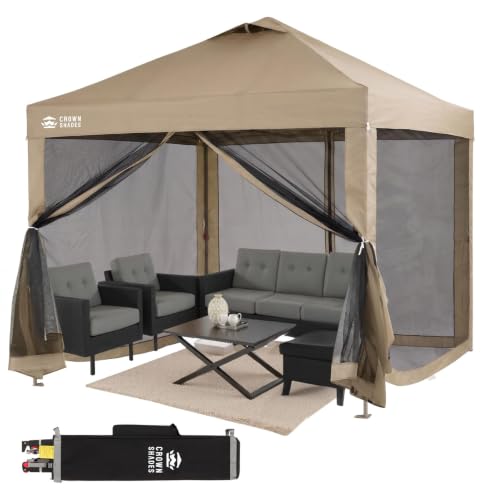
When you are setting up camp or hosting an outdoor event, the elements and insects can quickly turn a pleasant experience into an uncomfortable one. A 10x10 pop up canopy with screen solves both problems at once. The 10x10 footprint is the industry-standard size for a reason: it provides 100 square feet of shade and shelter, enough for a picnic table and several chairs, yet it remains manageable for one or two people to set up.
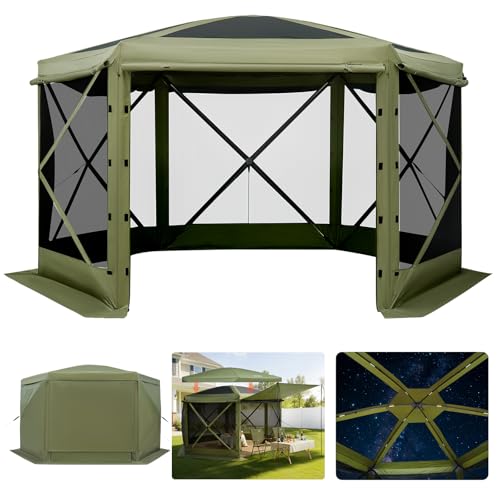
The screen walls—typically fine mesh netting—keep mosquitoes, flies, and other biting insects out while allowing fresh air to circulate. Unlike solid side walls, screens let you enjoy the view and natural light, making them perfect for camping destinations where scenery is part of the experience. For those who enjoy the comforts of a home away from home, a screen canopy pairs wonderfully with camp furniture and a camping loveseat to create a cozy outdoor living room.
Key Benefits of a Screened 10x10 Canopy
- Insect Protection: The fine mesh screen keeps bugs out without blocking airflow.
- Ventilation: Unlike solid walls, screens allow cross-breezes, reducing heat buildup.
- Visibility: You can still see your surroundings, which is great for supervising children or enjoying the view.
- Versatility: Use it as a dining area, a game room, or a relaxing lounge space.
- Easy Setup: Most pop-up canopies with screens use an instant frame that expands in minutes.
- Portability: They fold down into a wheeled bag, making them easy to transport to beach camping or lake camping spots.
How to Choose the Right 10x10 Screen Canopy
Not all screen canopies are created equal. Here are the factors to consider before making a purchase.
1. Frame Material and Durability
Look for a frame made from powder-coated steel or aircraft-grade aluminum. Steel is heavier but more affordable (entry-level to mid-range), while aluminum is lighter and rust-resistant (mid-range to premium). The joints and locking mechanisms should be sturdy; flimsy plastic parts are a common failure point in budget-friendly models.
2. Screen Quality and Attachment
The screen should be fine enough to block no-see-ums but durable enough to withstand regular use. Check whether the screens are permanently attached or removable. Removable screens offer more flexibility—you can use the canopy as a standard open shelter when bugs are not an issue. Some models include a replacement top option, which is useful if the original top wears out.
3. Canopy Top Material
The roof should be made from a water-resistant or waterproof material like 210D polyester with a PU coating. Look for UV protection ratings (UPF 50+ is ideal). A silver-coated underside helps reflect heat. If you plan to use the canopy in windy conditions, ensure it has reinforced corners and tie-down points.
4. Ease of Setup
The term "pop up" implies quick setup, but not all models are equally easy. The best designs use a central hub or pull-pin system that allows one person to set up the canopy in under two minutes. If you often camp solo, look for a model that is specifically designed for one-person setup.
5. Weight and Portability
If you are car camping or using the canopy in your backyard, weight is less critical. But if you need to carry it any distance, look for a lighter model (under 40 lbs). A wheeled carry bag is a major convenience.
6. Additional Features
Some canopies come with built-in features like:
- Sun walls or privacy panels that attach to the screen
- Sandbags or weight bags for stability
- LED lighting strips
- Extra ground stakes and guy lines
Feature Comparison: What to Look For
| Feature | Entry-Level | Mid-Range | Premium |
|---|---|---|---|
| Frame Material | Powder-coated steel | Aluminum or steel | Aircraft-grade aluminum |
| Screen Attachment | Basic mesh, often fixed | Removable or zippered | Full-featured with panels |
| Setup Time | 3–5 minutes | 2–3 minutes | Under 2 minutes |
| UV Protection | UPF 30–50 | UPF 50+ | UPF 50+ with reflective coating |
| Weight | 35–50 lbs | 30–40 lbs | 25–35 lbs |
| Carry Bag | Basic | Wheeled | Heavy-duty wheeled |
Pros and Cons of a Screened Pop Up Canopy
✅ Pros
- Keeps insects out while allowing airflow
- Quick setup and takedown
- Versatile for camping, picnics, and backyard use
- Provides shade and UV protection
- Often comes with a carry bag for portability
❌ Cons
- Screens can tear if not handled carefully
- Not as weatherproof as solid-wall canopies
- Can be heavy for backpacking (better for car camping)
- May require additional weights in windy conditions
Best Uses for a 10x10 Screen Canopy
A 10x10 pop up canopy with screen is one of the most versatile outdoor shelters you can own. Here are some of the best ways to use it:
- Camping: Set it up over your picnic table to create a bug-free dining area. It pairs well with camping food that doesn't need refrigeration and a high-performance cooler.
- Backyard Events: Use it for birthday parties, barbecues, or simply as a shaded play area for kids.
- Beach and Lake Trips: The screen keeps sand flies and other pests away while you enjoy the view. Consider a beach shade canopy that blows in the wind if you need extra stability.
- Tailgating: Create a comfortable, insect-free spot to watch the game.
- Farmers Markets and Craft Fairs: If you are a vendor, a screen canopy protects your goods from bugs and provides a comfortable environment for customers.
Setup and Maintenance Tips
Setting Up Your Screen Canopy
- Choose a level spot free of sharp objects that could puncture the fabric.
- Remove the canopy from its bag and lay it flat with the legs extended.
- With one person on each side (or using a central hub mechanism), pull the frame apart until it locks into place.
- Attach the screen walls using the provided hooks or zippers.
- Secure the canopy with stakes and guy lines. Use weight bags on each leg if you are on a hard surface.
Maintenance
- Clean the canopy top and screens with mild soap and water. Avoid harsh chemicals.
- Allow everything to dry completely before packing to prevent mold and mildew.
- Store in a cool, dry place.
- Inspect the frame and screens regularly for damage. Replace worn parts as needed.
Safety Considerations
While a screen canopy is generally safe, there are a few things to keep in mind:
- Wind: Pop-up canopies can become airborne in strong winds. Always use weight bags or stakes, and take the canopy down if winds exceed 20 mph.
- Heat: Even with screens, the interior can get warm. Ensure proper ventilation and stay hydrated.
- Fire: Never use a campfire or grill inside or near the canopy. The fabric is not fireproof. Always follow campfire safety rules.
- Electrical: If you use electrical devices inside the canopy, keep cords and connections away from wet areas. Refer to emergency preparedness for camping for more tips.
Our Verdict
A 10x10 pop up canopy with screen is an excellent investment for anyone who spends time outdoors. It offers the perfect balance of protection, ventilation, and convenience. Whether you are a casual camper, a tailgater, or someone who loves hosting backyard gatherings, a screened canopy will quickly become one of your most-used pieces of outdoor gear. When choosing, prioritize frame durability, screen quality, and ease of setup. With proper care, a good screen canopy will serve you for many seasons.
For more tips on preparing for your next outdoor adventure, explore our guides on what to bring on a camping trip and first-time camping tips.
Frequently Asked Questions
Can a 10x10 screen canopy be used in the rain?
Most canopy tops are water-resistant, but not fully waterproof. Light rain is fine, but heavy rain can pool on the roof and leak through seams. If you expect rain, consider a model with a waterproof top or use a separate rain fly.
How many people can fit under a 10x10 canopy?
A 10x10 canopy provides 100 square feet of space. It can comfortably seat 6–8 people around a picnic table, or up to 10 people standing.
Are screen canopies easy to set up alone?
Many modern pop-up canopies are designed for one-person setup, thanks to central hub mechanisms. However, it is always easier with two people, especially for the initial setup.
Can I leave my canopy set up overnight?
You can, but it is not recommended in areas with wildlife or strong winds. If you leave it up, ensure it is securely staked and weighted down. For camping, follow food storage rules to avoid attracting animals.
What is the difference between a screen canopy and a regular canopy?
A regular canopy has an open design or solid walls. A screen canopy includes mesh walls that provide insect protection and ventilation while maintaining visibility.
Related Guides
- 10 x 10 Pop Up Canopy: General Guide
- 10 ft x 10 ft Pop Up Canopy: Size and Setup
- 10 ft x 10 ft Straight Leg Canopy: What to Know
- 10 ft x 10 ft Slant Leg Pop Up Canopy: Pros and Cons
- 12 x 12 Pop Up Canopy with Screen: Larger Option
- 12 x 12 Pop Up Canopy with Side Walls
- Heavy Duty Pop Up Canopy 10x20 with Sidewalls
- 12 x 12 Pop Up Canopy Tent
- Easy Set Up Screen Tent for Camping
- Easy Set Up Tent with Screen Room