10 ft x 10 ft Straight Leg Canopy: The Complete Guide
Everything you need to know about choosing, using, and maintaining a straight leg canopy for camping, events, and outdoor shelter.
START READINGWhy a 10x10 Straight Leg Canopy? This guide is designed for campers, event organizers, and outdoor enthusiasts who want a reliable, freestanding shelter. We break down the differences between straight leg and slant leg models, helping you make an informed decision for your next adventure.
What Is a 10 ft x 10 ft Straight Leg Canopy?
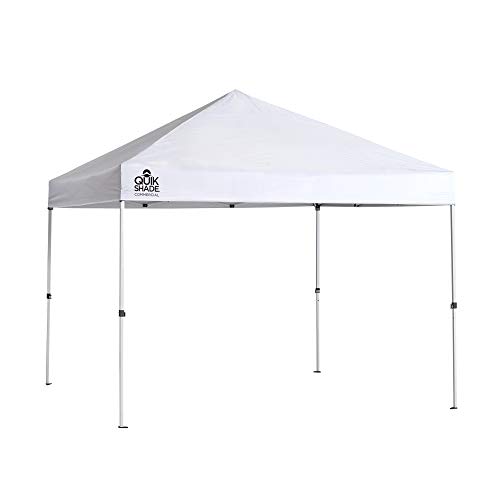
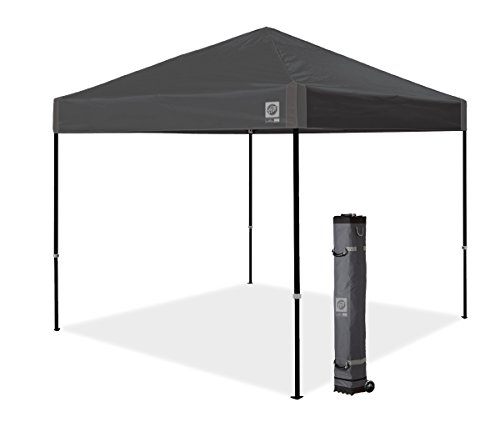
A 10 ft x 10 ft straight leg canopy is a freestanding pop-up shelter with four vertical legs that go straight down from the frame to the ground. Unlike slant leg canopies, where the legs angle outward, straight leg models provide a full 100 square feet of shade with a consistent footprint. This makes them a favorite for camping, tailgating, farmers markets, and backyard gatherings.
The "10x10" refers to the canopy's coverage area—roughly 10 feet by 10 feet—while "straight leg" describes the frame geometry. This design maximizes usable space underneath and allows you to place multiple canopies side-by-side for a seamless shelter. If you are comparing options, you might also look at a 10 ft x 10 ft slant leg pop-up canopy to see which style fits your needs best.
Straight Leg vs. Slant Leg: Key Differences
Understanding the distinction between straight and slant leg canopies is essential before you buy. Here is how they compare:
| Feature | Straight Leg Canopy | Slant Leg Canopy |
|---|---|---|
| Footprint | Full 10x10 ft at ground level | Smaller footprint at ground level (legs angle inward) |
| Shade Coverage | 100 sq ft of consistent shade | Less shade due to angled legs |
| Stability | Generally more stable in wind when anchored | Less stable without additional weighting |
| Side-by-Side Setup | Easy to connect multiple units | Difficult due to angled legs |
| Best For | Camping, markets, events, tailgating | Casual backyard use, occasional shade |
For serious campers and event planners, the straight leg design is almost always the preferred choice. It offers better wind resistance when properly secured and allows for modular setups. If you are considering a larger option, a 12 x 12 pop up canopy with side walls can provide even more coverage for group activities.
Key Features to Look For in a 10x10 Straight Leg Canopy
Not all canopies are created equal. When shopping for a 10 ft x 10 ft straight leg canopy, pay attention to these critical features:
1. Frame Material and Durability
The frame is the backbone of your canopy. Most models use either steel or aluminum. Steel frames are heavier but tend to be more affordable and durable for stationary use. Aluminum frames are lighter, making them easier to transport for camping trips. Look for powder-coated steel to resist rust, or aircraft-grade aluminum for a premium, lightweight option. A mid-range canopy often features a sturdy steel frame, while top-tier models may use aluminum with reinforced joints.
2. Canopy Fabric and Weather Resistance
The canopy top is typically made from polyester or oxford fabric. For camping and outdoor use, choose a fabric with a high denier rating (like 300D or higher) and a polyurethane coating for waterproofing. Many quality canopies also offer UV protection to block harmful sun rays. If you plan to use your canopy in unpredictable weather, look for models that include side walls or are compatible with them. A 10 x 10 canopy tent with sides can transform your shelter into a fully enclosed space.
3. Setup Mechanism
Most 10x10 straight leg canopies are pop-up style, meaning the frame unfolds and locks into place with minimal effort. Look for a model with a reliable central hub and push-button leg adjustments. Some entry-level canopies require more force to lock, while premium models feature smoother, one-person setup mechanisms. If ease of use is your priority, check out the 10 ft x 10 ft pop up canopy for a quick-deploy solution.
4. Height Adjustability
Many canopies offer adjustable legs with multiple height settings. This is useful for uneven terrain or when you need extra headroom. Straight leg canopies often have push-button or pull-pin adjustments. A good range is typically from about 6 feet to 8 feet at the peak, accommodating most standing adults comfortably.
5. Portability and Storage
Consider the weight and packed size. A heavier steel canopy may weigh 30–40 lbs, while an aluminum model might be 20–25 lbs. Most come with a wheeled carrying bag for easy transport. If you are hauling your gear to a campsite, a lighter canopy is worth the investment. For those who want a permanent or semi-permanent shelter, a canopy tent with sides may be a better fit.
Pros and Cons of a 10x10 Straight Leg Canopy
Advantages
- Full 100 sq ft of usable shade
- Stable when anchored properly
- Easy to connect multiple units
- Versatile for camping, events, and markets
- Generally more wind-resistant than slant leg
- Compatible with side walls and accessories
Limitations
- Often heavier than slant leg models
- Requires more space to set up
- May be more expensive than basic slant leg options
- Needs proper anchoring in windy conditions
- Not ideal for very small patios or tight spaces
Best Uses for a 10 ft x 10 ft Straight Leg Canopy
This size and style of canopy is incredibly versatile. Here are some of the most popular applications:
- Camping: Use it as a shaded gathering area, a rain shelter over your picnic table, or a protected cooking space. Pair it with a camping loveseat for a comfortable outdoor living room.
- Tailgating: Set up a base camp for game day with room for food, chairs, and friends. Add a camping cooler to keep drinks cold.
- Farmers Markets and Craft Fairs: The straight legs allow vendors to maximize their booth space and display products effectively. You can even get a 10x10 custom pop up canopy tent with your logo graphics for branding.
- Beach and Park Days: Provide shade for your family without the hassle of a traditional beach umbrella. A straight leg canopy is more stable in sand when anchored with sandbags or stakes.
- Emergency Shelter: Keep one in your car for unexpected weather or roadside emergencies.
No matter how you use it, a 10x10 straight leg canopy is a valuable addition to your outdoor gear. If you are planning a trip, you might also need a list of things to bring on a camping trip to ensure you don't forget anything.
How to Set Up a Straight Leg Canopy Safely
Setting up your canopy correctly ensures it stays put and performs well. Follow these steps:
- Choose a Level Spot: Find a flat area free of sharp objects that could damage the fabric or frame.
- Unpack and Unfold: Remove the canopy from its bag and lay it flat. With two people, one on each side, pull the legs outward until the frame is partially open.
- Lock the Center Hub: Push up on the center hub until it clicks into place. This is often the most physically demanding part.
- Extend the Legs: Lift each leg and adjust to your desired height. Lock the push-buttons or pins securely.
- Attach the Canopy Top: If your model has a separate top, drape it over the frame and secure it with the provided hooks or Velcro straps.
- Anchor the Canopy: This step is critical. Use the included stakes and ropes to secure the canopy to the ground. For hard surfaces, use sandbags or weights on each leg. Never leave a canopy unattended in windy conditions.
For more tips on setting up camp, including how to handle rain, see our guide on how to set up a tent in the rain.
Maintenance and Care Tips
To extend the life of your 10 ft x 10 ft straight leg canopy, follow these simple maintenance practices:
- Clean After Use: Wipe down the frame and fabric with a damp cloth. For stubborn dirt, use mild soap and water. Allow to dry completely before storing.
- Inspect for Damage: Check the frame for bends, cracks, or rust. Inspect the fabric for tears or holes. Repair small issues promptly to prevent bigger problems.
- Store Properly: Fold the canopy neatly and place it in its carrying bag. Store in a cool, dry place away from direct sunlight.
- Replace Worn Parts: If you notice a leg is bent or the top is faded, consider a 10 x 10 pop up canopy replacement top instead of buying a whole new unit.
Frequently Asked Questions
What does "straight leg" mean on a canopy?
Straight leg means the four legs go vertically from the frame to the ground, creating a full 10x10 square footprint. Slant leg canopies have legs that angle outward, reducing the usable ground space.
Can one person set up a 10x10 straight leg canopy?
Yes, many models are designed for one-person setup, though it can be easier with two people. Look for canopies with a central hub and easy-lock mechanisms. Entry-level models may require more effort.
Is a 10x10 straight leg canopy good for camping?
Absolutely. It provides excellent shade and rain protection. Just ensure you anchor it properly and consider a model with side walls for added weather protection. Pair it with a slant leg pop up canopy if you need a secondary, lighter option.
How do I anchor a canopy on concrete?
Use sandbags or specialized weight plates on each leg. You can also use stakes designed for hard surfaces if permitted. Never rely on the frame alone to hold it down in wind.
What is the difference between a 10x10 straight leg and a 10x10 slant leg canopy?
The main difference is the footprint and stability. Straight leg canopies offer full coverage and are easier to connect side-by-side. Slant leg canopies have a smaller ground footprint but can be slightly lighter and less expensive. For serious use, straight leg is generally preferred.
Ready to choose your canopy? Explore our recommended products below to find the perfect 10 ft x 10 ft straight leg canopy for your needs.