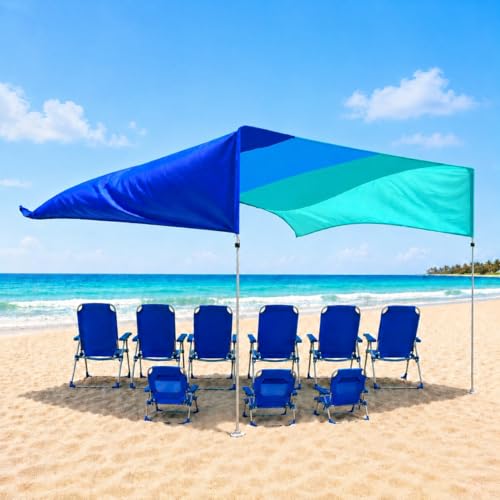
Beach Shade Canopy That Blows in the Wind
Everything you need to know about choosing, using, and securing a beach shade canopy that can handle windy conditions without blowing away or breaking.
A day at the beach can quickly turn uncomfortable when the wind picks up and your shade structure becomes a kite. If you've ever chased a beach umbrella down the shoreline or watched a pop-up canopy tumble across the sand, you know the struggle. This guide is designed for beachgoers who want reliable shade without fighting the wind all day. We'll explore the types of canopies that perform best in breezy conditions, how to anchor them properly, and what features to look for before you buy.
Key Takeaway: The best beach shade canopy for windy conditions is one with a low profile, flexible poles, and multiple anchor points. Traditional upright umbrellas and standard pop-up canopies are the most vulnerable to wind. Look for beach tents or canopies specifically designed with wind in mind.
Why Wind Is the Enemy of Beach Shade
Wind affects beach shade structures in two main ways: lift and drag. Lift occurs when wind gets underneath the canopy fabric, creating an upward force that can pull stakes out of the sand or tip an umbrella. Drag is the horizontal force that pushes against the structure, which can bend poles or send the entire setup sliding. The larger the surface area and the higher the profile, the more vulnerable the canopy is. This is why a tall, flat umbrella is far more likely to fail in the wind than a low, aerodynamic beach tent.
Sand is also a factor. Unlike dirt or grass, sand provides relatively poor holding power for stakes. A stake that would hold firm in a lawn can easily pull out of loose, dry sand. This is why beach-specific anchoring methods—like sandbags, screw-in anchors, or buried bags—are essential. Understanding these forces helps you choose a design that works with the wind rather than against it.
Types of Beach Shade Canopies and How They Handle Wind
Not all beach shade is created equal. Here's a breakdown of the most common options and how they perform when the wind picks up.
1. Pop-Up Beach Tents
These are among the best choices for windy beaches. Pop-up beach tents have a low, dome-like or half-dome shape that sheds wind rather than catching it. The flexible fiberglass or plastic poles bend with gusts instead of snapping. Many models come with sand pockets at the corners that you fill once you're on the beach, providing instant weight and stability. Some also include tie-down cords and stakes. Because they sit close to the ground, there's less space for wind to get underneath. If you're looking for a canopy that blows in the wind without blowing away, a quality pop-up beach tent is often the answer.
2. Beach Umbrellas
Traditional beach umbrellas are iconic, but they are also the most wind-sensitive option. A standard umbrella acts like a sail: the wind catches the canopy and either lifts the pole out of the sand or tips the whole thing over. Ventilated umbrellas with a wind vent at the top are better because they allow some air to escape, reducing lift. However, even a vented umbrella can fail in strong gusts. If you prefer an umbrella, choose one with a heavy-duty sand anchor or a screw-in base, and always angle it into the wind. For truly windy conditions, an umbrella is rarely the best choice.
3. Standard Pop-Up Canopies (10x10, 12x12)
These are the square canopies often used for tailgating and craft fairs. While they provide excellent shade, they are not ideal for the beach in windy conditions. Their large, flat roof and tall profile make them vulnerable to lift and drag. If you must use one, choose a model with vented tops, use heavy sandbags on every leg, and never leave it unattended. Some beachgoers use a 10 ft x 10 ft pop-up canopy with success on calm days, but for breezy beaches, a lower-profile option is safer. If you already own a 12 x 12 pop-up canopy with side walls, you can add sandbags and stake it down, but be prepared to take it down if the wind strengthens.
4. Beach Canopies with Flexible Frames
Some dedicated beach canopies use a frame of flexible rods that arch over a central area. These are similar to pop-up tents but often have an open front for better airflow. The flexible frame absorbs gusts, and the low profile reduces lift. Look for models with multiple sand pockets and guy lines. This category includes designs that are sometimes called "beach shade canopies that blow in the wind" because they are engineered to flex rather than fight.
5. Sun Shelters and Shadesails
A shadesail or sun shelter is essentially a piece of fabric stretched between two or more poles, often with a curved shape. These can be very stable in the wind if the poles are anchored well and the fabric is tensioned properly. However, they require more setup skill and are not as quick to deploy as a pop-up tent. They are a good option for campers who want a lightweight, packable shade solution and don't mind spending a few extra minutes on setup.
Quick Comparison: Wind Performance by Canopy Type
| Canopy Type | Wind Resistance | Setup Difficulty | Best For |
|---|---|---|---|
| Pop-Up Beach Tent | Excellent | Easy | Windy beaches, families, quick shade |
| Beach Umbrella (Vented) | Fair | Easy | Calm days, solo use, portability |
| Standard Pop-Up Canopy | Poor | Moderate | Calm days, group shade, tailgating |
| Flexible Frame Beach Canopy | Very Good | Easy to Moderate | Breezy beaches, couples, small groups |
| Shadesail / Sun Shelter | Good (if tensioned) | Moderate | Campers, lightweight setups, variable wind |
Features to Look for in a Wind-Resistant Beach Canopy
When shopping for a beach shade canopy that can handle wind, pay attention to these specific features:
- Low Profile: The closer the canopy sits to the ground, the less wind it catches. Dome tents and low arches are better than tall, flat roofs.
- Flexible Poles: Fiberglass or flexible plastic poles bend in the wind and return to shape. Aluminum poles are lighter but can bend permanently if stressed.
- Sand Pockets: These are pockets at the corners or edges that you fill with sand to weigh down the canopy. They are essential for beach use.
- Vented Top: A vent or mesh panel at the top allows wind to escape, reducing lift. This is common on quality beach tents and umbrellas.
- Guy Lines and Stakes: Even with sand pockets, guy lines and stakes provide extra security. Look for stakes designed for sand (long, wide, or screw-in).
- Water-Resistant Fabric: While not directly related to wind, a canopy that can handle a sudden rain shower is a bonus. Look for polyester or nylon with a water-resistant coating.
- Easy Setup: In windy conditions, you want a canopy that goes up quickly and without frustration. Pop-up designs are usually the fastest.
How to Secure Your Beach Canopy in Windy Conditions
Even the best canopy needs proper anchoring. Here's a step-by-step approach to keep your shade in place when the wind blows:
- Choose the Right Spot: If possible, set up behind a natural windbreak like dunes, rocks, or vegetation. Avoid exposed points and open stretches of sand.
- Fill Sand Pockets: If your canopy has sand pockets, fill them generously. Dig them into the sand for extra hold.
- Use Sand Anchors: Screw-in sand anchors or auger-style stakes provide much better holding power than standard stakes. You can also use sandbags.
- Angle into the Wind: If your canopy has an open side, face it away from the wind. For umbrellas, tilt the canopy into the wind so the wind pushes it down rather than lifting it.
- Add Guy Lines: Attach guy lines to the canopy and stake them out at a 45-degree angle. This adds stability and prevents flapping.
- Lower the Height: If your canopy has adjustable poles, lower it as much as possible. A lower canopy is more stable.
- Monitor Conditions: If the wind is picking up and your canopy is straining, take it down. No shade is worth a broken canopy or a dangerous situation.
For more tips on beach camping and setup, see our guide on setting up a tent on the beach.
Maintenance and Storage Tips
To keep your beach canopy in good condition for years, follow these simple maintenance practices:
- Rinse the canopy with fresh water after each beach trip to remove salt and sand.
- Dry it completely before storing to prevent mold and mildew.
- Check poles and joints for wear or cracks, especially if you've used it in strong winds.
- Store in a cool, dry place away from direct sunlight.
- Replace bent or broken poles promptly to avoid further damage.
Frequently Asked Questions
What is the best type of beach canopy for windy conditions?
A low-profile pop-up beach tent or a canopy with flexible fiberglass poles is generally best for windy conditions. These designs allow wind to pass over or through them, reducing the chance of them blowing away or breaking.
How do I secure a beach canopy in the wind?
Use sandbags or fill the anchor pockets with sand. Angle the canopy into the wind, and if possible, use sand screws or stakes designed for beach use. Never rely solely on the weight of the canopy itself.
Are pop-up canopies good for the beach?
Standard pop-up canopies can be used on the beach, but they are not ideal for windy conditions as they act like a sail. For windy beaches, a low-profile beach tent or a canopy with a vented top is a better choice.
Can I use a regular umbrella on a windy beach?
You can, but it's risky. A vented umbrella with a strong sand anchor is your best bet. Even then, be prepared to lower it or take it down if the wind gets strong. For consistent wind, choose a beach tent instead.
What is the most wind-resistant beach shade?
The most wind-resistant options are low-profile beach tents with sand pockets and flexible poles. These are designed to shed wind and stay put. Shadesails that are properly tensioned also perform well.
Final Thoughts
Choosing a beach shade canopy that can handle wind is all about understanding how wind interacts with different designs. Low-profile beach tents, flexible frame canopies, and properly anchored shadesails are your best bets for breezy days. Avoid tall, flat umbrellas and standard pop-up canopies unless conditions are calm. With the right canopy and proper anchoring, you can enjoy a shaded, comfortable day at the beach even when the wind is blowing. For more beach camping tips, check out our guide on beach camping and beach sun shade that blows in the wind.
Disclaimer
Outdoor activities involve inherent risks. The information provided on CampLifeEssentials is for educational purposes only. We are not responsible for any injuries, losses, or damages resulting from the use of this information. Some content may use AI assistance. Always practice Leave No Trace principles and verify local regulations before camping. If you do not agree, please do not use this website. Read the full disclaimer.