Things to Pack for Backpacking: The Ultimate Gear Checklist
Master the art of packing light without sacrificing comfort or safety. Our comprehensive guide covers every essential item for your next backpacking adventure.
Backpacking is the ultimate test of self-reliance. Unlike car camping, where you can bring along the kitchen sink, every ounce in your pack matters. The difference between a miserable slog and an unforgettable adventure often comes down to what you choose to carry. This guide breaks down the things to pack for backpacking into logical categories, helping you build a system that is lightweight, efficient, and tailored to your specific journey.
Whether you are planning a quick overnight trip or a multi-day trek through Montana Wilderness, having the right gear is paramount. Let's dive into the essential categories: Shelter, Sleep System, Clothing, Kitchen, Navigation, and Safety.
1. The Big Three: Shelter, Sleep, and Pack
These three items form the foundation of your backpacking kit. They are typically the heaviest and most expensive, so choose wisely. You can find a wide range of options, from entry-level to premium, depending on your needs.
Backpack
Your backpack is your home on the trail. Fit is more important than features. Look for a pack with a capacity between 50 and 65 liters for weekend trips, and 65 to 80 liters for extended journeys. Adjustable torso lengths, padded hip belts, and breathable back panels are key features. For those who prefer a minimal setup, a one-person backpacking tent might pair well with a smaller pack, but ensure it can handle the weight of your gear.
Shelter
A tent, tarp, or hammock provides protection from the elements. For most backpackers, a freestanding tent is the easiest to pitch on varied terrain. Look for a tent that is lightweight, packs small, and is rated for the conditions you expect. If you are camping in areas with trees, a hammock that can be used as a tent is a great space-saving alternative. For colder environments, a 4-season tent with a stove jack offers warmth and cooking capabilities, though it adds weight.
Sleep System
This includes your sleeping bag, sleeping pad, and pillow. Your sleeping bag should be rated for the lowest temperature you expect to encounter. Down bags are lighter and more compressible but require more care; synthetic bags are heavier but insulate better when wet. A sleeping pad provides insulation from the ground and cushioning. For side sleepers, consider a mattress topper for side sleepers with hip pain to add comfort. If you need a versatile option, an all-in-one sleeping bag and mattress can simplify your setup.
2. Clothing: Layer for Success
Backpacking clothing is all about layering. You need to be prepared for changing weather conditions, from hot and sunny to cold and wet. The key is to avoid cotton, which stays wet and saps your body heat. Instead, opt for moisture-wicking synthetics or merino wool.
- Base Layer: Moisture-wicking shirt and underwear. Merino wool is excellent for its odor resistance.
- Mid Layer: Fleece or light down jacket for insulation. For colder trips, a battery-powered electric throw blanket can provide extra warmth in camp, though it's a luxury item.
- Outer Layer: Waterproof and windproof rain jacket and pants. A poncho is a lightweight alternative.
- Hiking Pants/Shorts: Convertible pants are versatile. Avoid heavy jeans.
- Socks: Wool or synthetic socks. Bring a fresh pair for each day, plus one extra.
- Footwear: Trail runners or hiking boots that fit well and are broken in. For winter trips, ensure you have proper winter camping boots.
- Hat and Gloves: A beanie and lightweight gloves are essential for cool mornings and evenings. For extreme cold, look into layering clothing for winter.
3. Kitchen and Food: Fuel for the Trail
Your backpacking kitchen should be simple and efficient. You are not cooking a gourmet meal; you are boiling water and rehydrating food. A single-burner propane camp stove is a popular choice for its reliability, but for ultralight backpacking, an alcohol or canister stove is preferred.
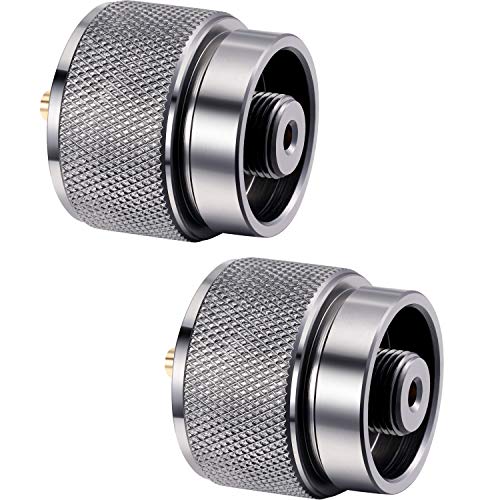
- Stove: Choose a stove that is lightweight and easy to use. A portable gas stove with gas is convenient, but you need to check fuel availability at your destination.
- Cookware: A single pot with a lid, a spork, and a small lighter or matches. A camp kitchen in a box is too heavy for backpacking, but a small mess kit works well.
- Water Treatment: This is non-negotiable. You need a way to purify water from streams and lakes. Options include a filter pump, squeeze filter, purification tablets, or UV light. A camping water filter technology review can help you choose.
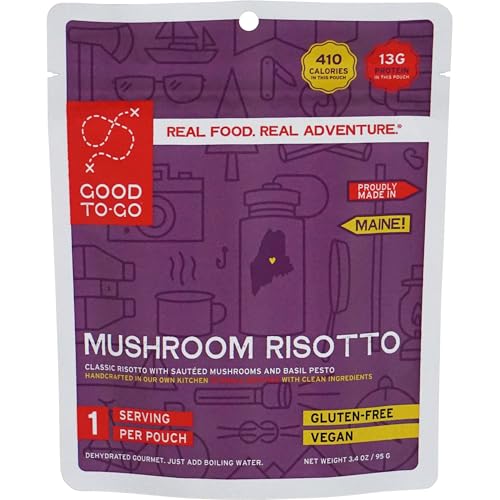
- Food: Dehydrated meals, energy bars, nuts, and jerky. For healthy options, look for camping meal ideas that are healthy. For easy lunches, consider easy camping lunch meals.
Pro Tip:
Repackage your food into zip-top bags to save space and reduce trash. Always pack out what you pack in. For more food storage tips, especially in bear country, review the food storage rules.
4. Navigation and Safety: Your Lifeline
Getting lost in the wilderness is a serious risk. You need reliable navigation tools and a solid safety plan. While a smartphone can be useful, it is not a substitute for a map and compass. If you are wondering GPS vs smartphone for camping, the answer is: bring both, but know how to use a map and compass.
If you ever find yourself lost, remember the what to do if lost protocol: STOP (Stop, Think, Observe, Plan). Always check camping weather alerts before and during your trip.
5. Personal Items and Luxuries
These are the items that make your trip more comfortable. They are not strictly necessary, but they can greatly improve your experience. Remember, every item adds weight. Pack your fears, not your hopes, but a few small luxuries can make a big difference.
- Hygiene: A small trowel for catholes, biodegradable soap, toothbrush, and a quick-dry towel. A pop-up privacy tent instant portable outdoor shower tent is a luxury item for basecamps, not for backpacking.
- Power: A camping power bank to keep your phone and headlamp charged. A solar charger for camping can be useful on sunny trips, but they are slow. For longer trips, a portable power station is too heavy for backpacking but great for car camping.
- Comfort: A ultra-lightweight camping chair can be a nice luxury, but many backpackers just sit on a log or a foam pad. A sleeping pad for the floor can double as a sit pad.
- Entertainment: A small book, a journal, or a deck of cards. A star gazing app can be a fun, lightweight way to learn about the night sky.
- Insect Protection: A mosquito netting for bed is too heavy, but a head net and insect repellent are essential. Consider a pop-up screen tent with rain flaps for a bug-free refuge at camp.
Final Thoughts: Pack Light, Go Far
The key to a successful backpacking trip is to find the right balance between weight, comfort, and safety. Start with the essentials and gradually refine your kit based on your experiences. Remember that the best gear is the gear that works for you. Before you head out, always verify local regulations, especially regarding campfire regulations, and practice Leave No Trace principles.
For more information on specific camping styles, like campground vs wild camping, or to learn about how to choose the right tent size, explore our other guides. Now that you know the things to pack for backpacking, it's time to hit the trail!