
Portable Gas Stove With Gas: The Ultimate Camping Cooking Guide
Everything you need to know about choosing, using, and maintaining a portable propane camp stove for reliable outdoor cooking.
START YOUR RESEARCHWhy a Portable Gas Stove? A portable gas stove with gas is one of the most reliable pieces of camping gear you can own. Unlike open fires that depend on dry wood and favorable weather, a propane stove delivers consistent, controllable heat in seconds. Whether you're boiling water for coffee at sunrise or simmering a stew after a long hike, a quality portable stove transforms your camp kitchen into a functional outdoor cooking station.
Why a Portable Gas Stove Is Essential Camping Gear
Reliable outdoor cooking is the backbone of any successful camping trip. A portable gas stove with gas offers instant ignition, precise flame control, and consistent performance regardless of altitude or weather conditions. For campers who value efficiency and safety, a propane-powered stove is a non-negotiable item in their camping gear collection.
Unlike traditional campfire cooking, which requires dry wood, favorable wind conditions, and constant attention, a gas stove lets you focus on the meal. It's also a safer option during fire bans, which are increasingly common in many regions. When you're camping in the rain or facing unexpected weather, having a dependable stove means you can still prepare hot meals and drinks without struggle.
For backpackers and minimalist campers, a single burner propane camp stove offers an ideal balance of portability and performance. For families and group campers, a 2 burner stove camping setup provides the capacity to cook multiple dishes simultaneously, making meal preparation faster and more enjoyable.
Types of Portable Gas Stoves
Understanding the different types of portable gas stoves helps you match the right stove to your camping style. The market offers several distinct categories, each with unique advantages.
Single Burner Stoves
Compact and lightweight, single burner stoves are ideal for solo campers, backpackers, and emergency preparedness kits. They excel at boiling water and preparing simple meals. A single burner propane camp stove is often the most portable option, fitting easily into a backpack or emergency bag.
Two-Burner Stoves
The classic car camping and family camping choice. A 2 burner stove camping model allows you to cook a main dish and a side simultaneously. These stoves typically run on standard propane canisters and offer excellent stability for larger pots and pans.
Propane Portable Gas Stoves
Specifically designed for use with disposable or refillable propane canisters, a propane portable gas stove is the most common type for car campers. They offer excellent heat output and are widely compatible with fuel sources available at most outdoor retailers.
Indoor-Safe Portable Stoves
Some portable gas stoves are engineered for indoor use, such as in cabins, RVs, or emergency situations at home. An indoor portable gas stove must meet specific safety standards for carbon monoxide emissions and ventilation requirements.
Cooking Burners for Camping
For campers who need high-output heat for large groups or serious cooking, a dedicated cooking burner for camping provides restaurant-quality performance in a portable package. These are often used in conjunction with a camp kitchen in a box setup.
Integrated Systems
Some portable stoves come as part of a complete camping gear for cooking system, including pots, pans, and utensils designed to nest together for maximum space efficiency.
How to Choose the Best Portable Gas Stove
Selecting the right portable gas stove involves evaluating several key factors. This buying guide will help you navigate the options and make an informed decision based on your specific camping needs.
1. Fuel Type and Compatibility
Most portable gas stoves run on propane, butane, or a blend of both. Propane performs well in cold weather and is widely available. Butane is often more compact but less effective in low temperatures. A propane portable gas stove is generally the most versatile choice for year-round camping. Consider whether the stove uses disposable canisters or refillable tanks; this affects both long-term cost and environmental impact.
2. Burner Output and Configuration
Burner output is measured in BTUs (British Thermal Units). Higher BTU output means faster boiling times but also higher fuel consumption. For most campers, a stove with a combined output of 10,000–20,000 BTUs across one or two burners is more than sufficient. A single burner propane camp stove typically offers 8,000–12,000 BTUs, while a 2 burner stove camping model may deliver 10,000 BTUs per burner.
3. Size, Weight, and Portability
Your choice of stove should align with how you camp. Backpackers need ultralight options that pack down small. Car campers can prioritize stability and cooking surface area. A propane portable gas stove designed for car camping often folds down flat for easy transport and storage.
4. Build Quality and Durability
Stainless steel and aluminum are common materials. Look for stoves with sturdy pot supports, wind shields (or the ability to add them), and reliable ignition systems. Piezo igniters are convenient but can fail; a stove with a manual ignition backup is a smart choice for long-term reliability.
5. Safety Features
Safety should never be compromised. Look for stoves with built-in overheat protection, anti-tilt designs, and secure fuel connections. If you plan to use your stove in a confined space, an indoor portable gas stove with appropriate safety certifications is essential.
Quality Tiers: A Universal Classification System
To help you compare portable gas stoves without relying on volatile pricing, we use a universal quality tier system. This approach ensures our recommendations remain relevant and useful for years to come.
- Entry-Level: Basic functionality, lightweight materials, suitable for occasional use and simple cooking tasks. Often the most compact and affordable option.
- Mid-Range: Improved build quality, better heat control, and enhanced durability. These stoves often include features like wind shields and piezo ignition. A mid-range single burner propane camp stove typically offers a good balance of performance and portability.
- Premium: High-quality materials, precise flame control, excellent wind resistance, and robust construction. Designed for frequent use and demanding conditions.
- Luxury: Top-tier performance with advanced features like integrated ignition systems, superior stability, and often modular designs that integrate with a complete camp kitchen in a box setup.
When comparing options, remember that a mid-range model often provides the best value for most campers, offering a significant upgrade in reliability and performance over entry-level stoves without the premium of luxury models.
Essential Safety Tips for Using Portable Gas Stoves
Safety is paramount when using any gas-powered appliance. Follow these guidelines to ensure a safe and enjoyable outdoor cooking experience.
Ventilation Is Critical
Never use a portable gas stove in an enclosed space without proper ventilation. Carbon monoxide is odorless and deadly. Even an indoor portable gas stove requires a well-ventilated area and adherence to the manufacturer's instructions.
Check for Leaks
Before every trip, inspect your stove's fuel connections and hoses for cracks or wear. A simple soapy water test can reveal leaks. If you smell gas, turn off the fuel source immediately and do not attempt to ignite the stove.
Stable Placement
Always place your stove on a flat, stable, heat-resistant surface. Keep it away from flammable materials, including tents, sleeping bags, and dry vegetation. A propane portable gas stove with a low center of gravity is less likely to tip.
Proper Fuel Storage
Store propane canisters in a cool, dry place away from direct sunlight and heat sources. Never store canisters inside a tent or vehicle cabin where temperatures can rise dangerously.
Supervise at All Times
Never leave a lit stove unattended. Keep children and pets at a safe distance. If you need to step away, turn off the stove completely.
Fire Safety Awareness
Familiarize yourself with campfire safety rules and always have a fire extinguisher or a means to smother a fire nearby. Knowing how to extinguish a campfire is a skill every camper should possess.
Maintenance and Care for Longevity
A well-maintained portable gas stove can last for many seasons. Regular cleaning and inspection prevent common issues like clogged burners and faulty ignition.
After each trip, wipe down the stove body and burner heads with a damp cloth. Remove any food residue or grease, which can attract pests and cause corrosion. Check the burner ports for blockages; a soft brush or compressed air can clear debris. Inspect the fuel hose and connections for wear and replace them if necessary. Store your stove in a dry, protected place—ideally in a dedicated camping gear for cooking bag or box.
If your stove uses a piezo igniter, test it before each trip. If it fails, you can usually light the burner with a match or lighter as a backup. For stoves with electronic ignition, check the battery and replace it as needed.
Getting the Most Out of Your Portable Stove
Once you've chosen your stove, a few simple techniques will elevate your outdoor cooking.
Use Wind Shields
Wind is the enemy of efficient cooking. A simple wind shield can dramatically reduce boiling times and fuel consumption. Many premium stoves include integrated wind shields; for others, you can purchase or DIY a foldable shield.
Preheat and Control
Allow your stove to preheat briefly before cooking. Use the flame control knob to maintain a steady simmer rather than constantly adjusting. This saves fuel and prevents burning.
Choose the Right Cookware
Flat-bottomed pots and pans with good heat conductivity work best on portable stoves. Avoid cookware with warped bottoms, which can lead to unstable placement and uneven heating. A camp kitchen in a box often includes cookware optimized for portable stoves.
Plan Your Meals
For inspiration, explore healthy camping meal ideas and easy camping lunch meals. A well-planned menu reduces cooking time and cleanup.
Ready to Upgrade Your Camp Kitchen?
Explore our curated selection of top-rated portable gas stoves and camping cooking gear, tested and recommended for reliability and performance.
VIEW RECOMMENDED STOVESFrequently Asked Questions
Can I use a portable gas stove indoors?
Only if the stove is specifically designed and certified for indoor use. An indoor portable gas stove must meet strict safety standards for carbon monoxide emissions. Even then, proper ventilation is essential. Never use an outdoor-rated stove inside a tent, RV, or home.
How long does a propane canister last?
Burn time depends on the stove's BTU output and the canister size. A standard 16.4 oz propane canister typically provides 1–2 hours of cooking time on a single burner at medium heat. A 2 burner stove camping model will consume fuel faster if both burners are in use.
What is the difference between propane and butane?
Propane performs better in cold weather and is more widely available. Butane is more compact and often used in ultralight stoves, but it loses pressure in low temperatures. A propane portable gas stove is generally the more versatile choice for year-round camping.
Can I use a portable gas stove during a fire ban?
In many areas, yes. Gas stoves with a controlled flame are often exempt from fire bans, but regulations vary. Always check local fire ban guidelines and campfire regulations before your trip.
How do I clean my portable gas stove?
Wipe down the exterior and burner heads with a damp cloth after each use. Remove food residue and check burner ports for blockages. For a complete guide, refer to your stove's manual and our camping gear maintenance tips.
Are expensive portable stoves worth it?
Premium stoves offer better build quality, more precise flame control, and greater durability. If you camp frequently or in demanding conditions, a premium model is a worthwhile investment. For occasional use, a mid-range stove provides excellent value. Read our guide on whether expensive gear is worth it for a broader perspective.
Best Portable Gas Stoves for Camping & Outdoor Cooking
⚠️ AFFILIATE DISCLOSURE: This website contains affiliate links. As an Amazon Associate, we earn from qualifying purchases. If you make a purchase through these links, we may receive a small commission at no additional cost to you. Read our full affiliate policy.
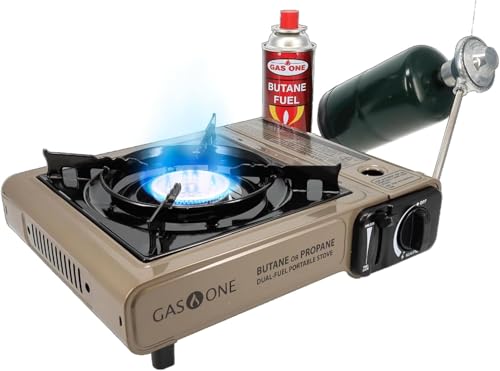
Gas One GS-3400P Propane or Butane Stove Dual Fuel Stove Portable Camping Stove - Patented - with Carrying Case Great for Emergency Preparedness Kit

TECHEF - AGNI Portable Butane Gas Stove Burner, Camp Stove, Made in Korea

Gas One Portable Butane Camping Stove with Case: Automatic Ignition, Precise Heat Control - Camping & Tailgating and Outdoor Cooking

GasOne High Pressure Single Propane Burner - Outdoor Cooking with Heat Shield and Guard – Propane Burner Head for Camping, Tailgating, Seafood Boil, Home Brewing - Patented

JoChef Portable Butane Camping Stove – 3-Year Warranty, Windshield & Case
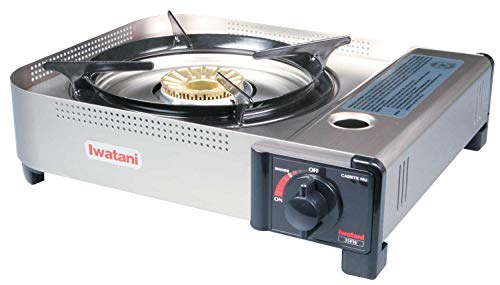
Iwatani 35FW Single-Burner Butane Portable Cooktop Indoor & Outdoor Cooking Stove Medium

Vivicreate 2 Burner Propane Stove, [20000 BTU] Portable Camping Gas Cooktop with Auto Ignition, Stainless Steel Outdoor Cooker with Regulator & Hose for RV, Backyard, Camping and Emergency Use
