Single Burner Propane Camp Stove: The Complete Guide
Everything you need to know about choosing, using, and maintaining a portable propane stove for outdoor cooking. Make an informed decision before your next camping trip.
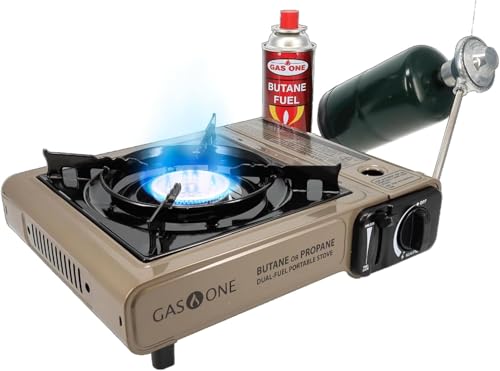
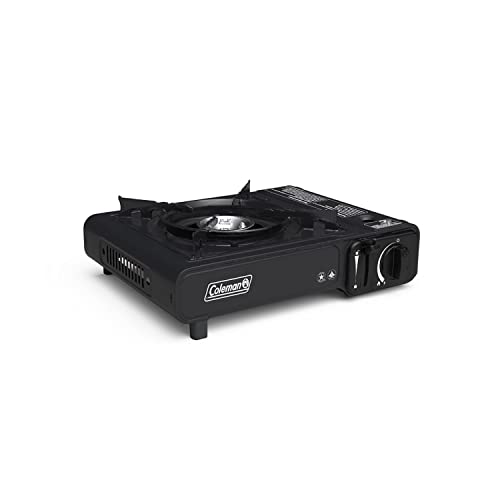
A single burner propane camp stove is one of the most versatile and practical pieces of outdoor cooking equipment you can own. Whether you're a solo backpacker, a weekend car camper, or part of a family looking for a reliable backup cooking solution, these compact stoves deliver consistent heat, quick setup, and dependable performance in the field. Unlike multi-burner models that take up significant space, a single burner stove strikes an ideal balance between portability and cooking capability.
If you're building out your camping kitchen from scratch, this guide will walk you through everything that matters: BTU output, wind resistance, fuel efficiency, safety considerations, and the features that separate an entry-level stove from a premium model. By the end, you'll understand exactly what to look for so you can choose the right stove for your camping style.
Key Takeaways
- A single burner propane stove is ideal for solo campers, couples, and minimalist setups
- BTU output between 8,000 and 12,000 is sufficient for most camping meals
- Wind screens and pot stability are critical features that affect real-world performance
- Always use propane stoves outdoors — never inside tents or enclosed spaces
- Entry-level stoves work for basic boiling; mid-range and premium models offer better wind resistance and simmer control
- A standard 16-ounce propane canister provides roughly 1–2 hours of cooking time on high heat
What Is a Single Burner Propane Camp Stove?
A single burner propane camp stove is a portable cooking appliance designed to operate on propane gas, typically from a small disposable canister or a refillable tank via a hose adapter. These stoves feature one cooking burner and are engineered to be lightweight, compact, and easy to transport. Most models fold down for storage and set up in seconds, making them a favorite among campers who prioritize efficiency and packability.
The typical single burner stove weighs between 1 and 5 pounds, depending on the model and materials used. Entry-level models often use stamped steel or aluminum, while mid-range and premium stoves may feature stainless steel or die-cast aluminum construction for better durability and heat distribution. Many models include a piezo ignition system, which eliminates the need for matches or lighters — a convenient feature when conditions are windy or wet.
Compared to multi-burner camp stoves, a single burner model is far more portable and easier to clean. It's the go-to choice for backpackers who need to keep pack weight low, for solo campers who don't need to cook multiple dishes simultaneously, and for emergency preparedness kits where space is at a premium. If you're still deciding between different camping cookware setups, our guide on what to take on a camping trip can help you round out your gear list.
Why Choose a Single Burner Propane Stove?
The appeal of a single burner propane stove goes beyond portability. Propane is one of the most widely available and reliable camping fuels. It lights quickly, burns cleanly, and performs well across a wide range of temperatures. Unlike white gas or alcohol stoves, propane requires no priming, no pumping, and no special maintenance — you simply attach the canister, turn the valve, and ignite.
For campers who cook simple meals — oatmeal and coffee in the morning, a quick pasta or stir-fry in the evening — a single burner is more than enough. It's also an excellent choice for boiling water, which is the foundation of many camping meals, from dehydrated backpacking food to instant noodles. The compact size means you can tuck it into a camping backpack side pocket or store it in a car camping bin without sacrificing valuable space.
Another advantage is simplicity. Fewer parts mean fewer things that can break or malfunction in the field. A well-built single burner stove can last for years with minimal care, making it a dependable investment for anyone who camps regularly. For those who are new to outdoor cooking, the learning curve is almost nonexistent — a major plus when you're tired at the end of a hiking day.
Key Features to Evaluate Before Buying
Not all single burner propane stoves are created equal. The differences between an entry-level model and a premium one often come down to a handful of critical features. Understanding these will help you make a smart purchase decision.
| Feature | Why It Matters | Entry-Level | Mid-Range | Premium |
|---|---|---|---|---|
| BTU Output | Determines how quickly you can boil water and cook food | ~8,000 BTUs | 10,000–11,000 BTUs | 12,000+ BTUs |
| Wind Resistance | Wind dramatically reduces burner efficiency and can extinguish flames | Minimal or no wind screen | Built-in wind panels | Full wind-blocking design with heat reflector |
| Ignition System | Piezo ignition offers convenience and reliability in wet conditions | Match or lighter required | Piezo igniter | Piezo igniter with backup manual ignition |
| Pot Stability | A stable cooking surface prevents spills and accidents | Narrow pot supports | Wider, serrated supports | Large, fold-out supports with locking mechanism |
| Simmer Control | Precise flame adjustment is essential for sauces, rice, and slow-cooked meals | Basic on/off valve | Variable flame control | Fine-tuned simmer control with wide range |
| Weight & Packability | Critical for backpackers and minimalist campers | 2.5–5 lbs | 1.5–3 lbs | 1–2.5 lbs with folding design |
| Fuel Efficiency | Affects how long a canister lasts and how much fuel you need to carry | Moderate consumption | Good efficiency | High efficiency with optimized burner design |
When evaluating BTU output, keep in mind that higher isn't always better. A stove with 12,000 BTUs will boil water faster, but it may also consume fuel more quickly and be harder to control at low settings. For most campers, 10,000 BTUs represents a sweet spot between performance and efficiency. If you primarily cook simple meals that require boiling, an 8,000 BTU stove is often perfectly adequate.
Wind resistance is arguably the most underappreciated feature. A stove that performs well in calm conditions can struggle in even a light breeze without adequate wind protection. Mid-range and premium models typically include built-in wind screens or heat reflectors that channel heat toward the pot rather than letting it escape. If you camp in open areas — beaches, mountain ridges, or desert plateaus — this feature alone can justify upgrading to a higher tier.
Choosing the Right Stove for Your Camping Style
The best single burner propane stove for you depends on how and where you camp. Here's how different camping styles map to stove features:
🏕️ Solo & Backpacking
Prioritize low weight and compact size. A premium ultralight model with a folding design and piezo ignition is ideal. Look for stoves under 2 pounds with integrated wind protection.
🚗 Car Camping & Family Trips
Weight matters less. Focus on pot stability, simmer control, and wind resistance. A mid-range or premium stove with wide pot supports can handle larger cookware for family meals.
🎒 Emergency Preparedness
Reliability is paramount. Choose a stove with a simple, proven design, piezo ignition, and broad fuel compatibility. Store extra propane canisters and a manual ignition backup.
🏔️ Cold-Weather Camping
Propane performs well in cold temperatures but loses pressure as canisters cool. A stove with a preheat tube or a design that allows canister inversion (with adapter) can help maintain performance.
Safety Considerations for Propane Stove Use
⚠️ Critical Safety Warning
Never use a propane camp stove inside a tent, RV, vehicle, or any enclosed or poorly ventilated space. Propane stoves produce carbon monoxide (CO), an odorless and potentially lethal gas. Always cook outdoors in a well-ventilated area, away from flammable materials such as dry grass, tents, and sleeping bags. Keep a fire extinguisher or water source nearby, and never leave a lit stove unattended.
Beyond the fundamental rule of outdoor-only use, there are several practical safety habits every camper should adopt. First, always check the connection between the stove and the propane canister before lighting. A small leak can be dangerous, and soapy water applied to the connection will reveal bubbles if gas is escaping. Second, ensure the stove is on a level, stable surface. A tipped stove can flare up or spill hot food, causing burns or starting a fire.
Third, be mindful of the canister temperature. Propane canisters can become very cold during use, especially in high-output stoves. This is normal, but avoid touching the canister directly with bare skin after prolonged use. Fourth, store propane canisters in a cool, well-ventilated area away from direct sunlight and heat sources. Never store canisters inside a closed vehicle on a hot day.
Finally, familiarize yourself with campfire safety rules and general outdoor fire safety principles, even though you're using a stove rather than an open fire. Many of the same precautions apply: keep a clear zone around your cooking area, have a plan for extinguishing a fire, and respect local fire bans and regulations. If you're camping in an area with fire restrictions, check our fire ban guide before your trip.
Fuel Efficiency and Canister Management
Propane canisters are convenient, but understanding fuel consumption helps you pack the right amount for your trip. A standard 16-ounce (1 lb) propane canister contains roughly 21,600 BTUs of energy. In practical terms, a single burner stove running at full output (10,000 BTUs) will consume about half a pound of propane per hour. That translates to roughly 1–2 hours of cooking time per canister, depending on the heat setting and wind conditions.
To maximize fuel efficiency, always use a lid on your pot (this alone can reduce boiling time by 20–30%), shield the stove from wind, and avoid running the burner at maximum when a lower setting will do. If you're camping in cold weather, keep canisters warm by storing them inside your sleeping bag or jacket before use — cold propane loses pressure and burns less efficiently.
For longer trips, consider a refillable propane tank and a hose adapter, which is more economical and environmentally friendly than disposable canisters. Many single burner stoves support both canister types with the appropriate adapter. If you're planning extended trips, our article on base camp setup covers how to organize your cooking station for efficiency and comfort.
Maintenance and Care Tips
A single burner propane stove requires very little maintenance, but a few simple habits will extend its lifespan and keep it performing reliably. After each use, wipe down the stove body with a damp cloth once it has cooled completely. Avoid using abrasive cleaners on the burner head, as this can clog the ports. If the burner ports become clogged with food residue or debris, clean them with a soft brush or a pin — never use a sharp object that could enlarge or damage the openings.
Inspect the O-ring or rubber seal on the stove's fuel connection periodically. This small component is critical for a safe, leak-free connection. If it appears cracked, hardened, or worn, replace it before your next trip. Most manufacturers offer replacement parts, and some include spare O-rings with the stove. Store your stove in a dry place between trips, and keep it protected from dust and debris — a simple stuff sack or the original packaging works well.
If you notice a yellow flame instead of a blue one, or if the flame is uneven or sputtering, the burner may be clogged or the fuel mixture may be off. Clean the burner ports and check the canister connection. If the problem persists, consult the manufacturer's troubleshooting guide. A well-maintained stove should produce a steady blue flame with minimal noise.
Frequently Asked Questions
What is a single burner propane camp stove best used for?
A single burner propane camp stove is ideal for solo campers, backpackers, and minimalists who need a lightweight, portable cooking solution. It's perfect for boiling water, cooking simple meals, and making coffee at the campsite. It's also a reliable backup stove for larger camping setups.
How many BTUs do I need in a single burner camp stove?
Most single burner propane camp stoves offer between 8,000 and 12,000 BTUs. Entry-level models typically provide around 8,000 BTUs for basic cooking, while mid-range and premium models offer 10,000 to 12,000 BTUs for faster boiling and more versatile cooking. For most campers, 10,000 BTUs is a practical sweet spot.
Are single burner propane stoves safe to use inside a tent?
No. Single burner propane camp stoves produce carbon monoxide and should never be used inside a tent, RV, or any enclosed space. Always use them outdoors in a well-ventilated area away from flammable materials. Even in cold weather, proper ventilation is essential when using any fuel-burning appliance.
How long does a propane canister last on a single burner stove?
A standard 16-ounce propane canister typically lasts about 1 to 2 hours on high heat with a single burner stove. Usage time varies based on the stove's BTU output, the cooking temperature setting, and wind conditions. Using a pot lid and shielding the stove from wind will help extend canister life.
What should I look for in a single burner propane camp stove?
Key features include BTU output, wind resistance (wind screens), burner diameter, pot stability, ease of ignition (piezo vs. match), fuel efficiency, weight, and safety features like a fuel shut-off valve. Your specific camping style — backpacking, car camping, or emergency prep — should guide which features you prioritize.
Can I use a single burner stove for winter camping?
Yes, but with caveats. Propane performs well in cold temperatures, but canister pressure drops as the fuel cools during use. Keep canisters warm before use and consider a stove design with a preheat tube or a canister inverter adapter. For more cold-weather tips, see our winter camping guide.
Ready to Choose Your Stove?
Now that you understand the key features and considerations, you're ready to find the right single burner propane camp stove for your adventures. Browse our recommended models below — selected for performance, reliability, and value across different camping styles.
View Recommended Stoves ↓Whether you're planning your first camping trip or upgrading your outdoor kitchen, a single burner propane stove is a smart, practical investment. Pair it with a reliable camping cooler to keep ingredients fresh, a camping lantern for evening cooking, and a sturdy camping table to create a functional cooking station. If you're new to camp cooking, our first-time camping tips will help you avoid common mistakes and make the most of your outdoor experience.