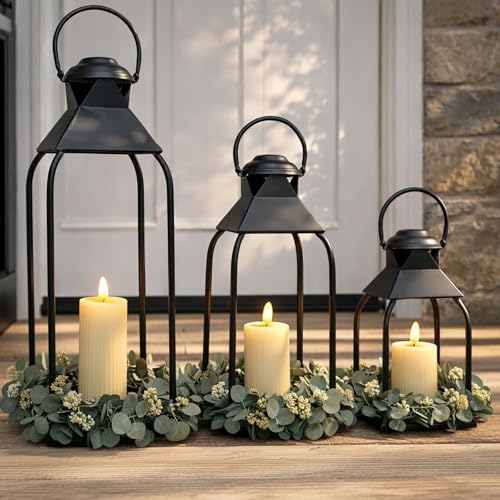
When you're setting up camp for the evening, the quality of your light source can make or break the experience. While headlamps and small flashlights are great for personal tasks, they fail to create a welcoming, well-lit environment for your entire group. This is where a floor lantern becomes an indispensable piece of gear. Unlike traditional lanterns that sit on a table and cast harsh shadows, a floor lantern is designed to stand on the ground, providing a broad, stable, and ambient light that mimics a home floor lamp.
This comprehensive guide is designed for campers who are ready to move beyond basic lighting. We will explore why a floor lantern is a superior choice for tent living, basecamps, and even glamping resorts. You'll learn about the critical features to look for, how to choose the right one for your needs, and how to integrate it into your existing camping gear setup for maximum comfort and safety.
Why a Floor Lantern? A floor lantern provides stability that a tabletop model cannot match. Its weighted base prevents accidental tip-overs, making it safer in a tent with kids or pets. It also elevates the light source to a more natural, comfortable height, reducing glare and creating a warm, inviting atmosphere.
Why Choose a Floor Lantern Over a Tabletop Model?
The primary difference between a floor lantern and a standard tabletop lantern is stability and light distribution. A tabletop lantern is compact and portable, but its light is often concentrated in one area, creating a bright hotspot on the table and leaving the rest of the tent in shadow. A floor lantern, with its larger base and taller stature, disperses light more evenly throughout the space. This is especially beneficial in larger tents, such as a 10-person instant cabin tent, where a single floor lantern can provide adequate ambient light for the entire living area.
Furthermore, a floor lantern is less likely to be knocked over. In a confined space, a tabletop lantern is at risk of being bumped by a sleeping bag, a backpack, or a restless camper. A floor lantern's low center of gravity keeps it upright, preventing breakage and, more importantly, reducing the risk of a fire hazard. For families with young children or pets, this stability is a crucial safety feature.
Key Features to Look for in a Floor Lantern
Not all floor lanterns are created equal. To ensure you get the best value and performance, consider these essential features before making a purchase.
Stability & Base Design
The base is the most critical component. Look for a wide, heavy base, often with rubberized feet, to ensure it won't tip over on uneven tent floors or a tent platform.
Brightness & Modes
Look for adjustable brightness levels (lumens). A dimmable mode is perfect for reading or a nightlight, while a high mode can illuminate a large screen gazebo or dining area.
Power Source
Options include rechargeable batteries, standard disposable batteries, or even solar power. A rechargeable model with a USB output can also double as a camping power bank.
Durability & Weather Resistance
If you plan to use it outside the tent, an IPX rating (water resistance) is important. A durable casing will survive the bumps and drops of camping trips.
Stability and Base Design
The best floor lanterns have a base that is either heavily weighted or designed to be filled with sand or water for extra stability. This is particularly useful if you are using the lantern in a large tent with active kids. A stable base also means you can place the lantern on a camping cot side table without fear of it tipping over when you reach for a book.
Brightness and Lighting Modes
Brightness is measured in lumens. For a floor lantern, you'll want a model that offers a range of brightness levels. A low setting of 50-100 lumens is ideal for a nightlight or for reading in a small tent. A high setting of 500 lumens or more is sufficient for illuminating a large common area or a picnic tent. Some advanced models even offer color modes or flickering candle effects, which can add a cozy ambiance to your glamping cabin or campsite.
Power Source and Battery Life
Rechargeable floor lanterns are the most popular choice for modern campers. They are convenient and eco-friendly, often charging via USB-C. A good model will run for many hours on a single charge, especially on lower brightness settings. For extended trips where you might not have access to power, consider a model that can also run on standard batteries as a backup, or pair it with a portable power station or a solar charger to keep it topped up.
How to Choose the Right Floor Lantern for Your Needs
Your choice of floor lantern should be guided by how and where you camp most often.
- For Car Camping and Family Trips: Prioritize a bright, rechargeable model with a very stable base. It should be able to light up a cabin camping tent or a 10-person instant cabin tent with screen room. A model that is a bit heavier is acceptable here, as you aren't carrying it far.
- For Backpacking and Ultralight Adventures: While a floor lantern is not typically an ultralight item, some compact models exist. Look for a light backpacking lantern that is collapsible and very lightweight. In this case, a traditional camping headlamp might be more practical, but a small floor lantern can be a nice luxury for basecamp.
- For Glamping and Luxury Camping: Focus on design and ambiance. A stylish floor lantern with a warm, diffused light can elevate a glamping pod or a luxury tent. Look for models with fabric shades or elegant metal finishes.
Floor Lanterns vs. Other Camping Lights
Understanding how a floor lantern fits into your overall lighting strategy is key. Here’s a quick comparison:
- vs. Tabletop Lanterns: Floor lanterns win on stability and ambient light. Tabletop lanterns are better for focused tasks on a camping table.
- vs. String Lights: While paper lights or C9 lights are great for decoration, they don't provide the functional, bright light needed for cooking or playing games. A floor lantern is a primary light source.
- vs. Ceiling Lights: A camping light that hangs from the ceiling of a huge tent is excellent for general illumination. A floor lantern can complement this by providing a warm, localized light source without the harsh overhead glare. For a smaller shelter, like a pup tent, a single floor lantern may be all you need.
Safety and Maintenance Tips
To get the most out of your floor lantern, follow these simple safety and maintenance guidelines:
- Ventilation: If you are using a propane or gas-powered floor lantern (less common but available), always ensure proper ventilation. Never use a fuel-burning lantern inside a tent. The models we recommend are primarily electric or battery-powered, which are safe for indoor use.
- Placement: Place your floor lantern in a corner or a low-traffic area to avoid tripping hazards. Keep it away from flammable materials, especially if it gets warm during operation.
- Cleaning: Wipe down the lantern with a damp cloth after each trip. Store it in a dry place to prevent corrosion, especially if you camp in humid environments or near the ocean, like a California beach camping spot.
- Battery Care: For rechargeable models, follow the manufacturer's instructions for charging. Don't leave them fully discharged for long periods. A power bank can be a lifesaver if you forget to charge your lantern before a trip.
Investing in a high-quality floor lantern is an investment in comfort and safety for all your outdoor adventures. It provides a reliable, stable, and beautiful light source that can make your tent feel like a home away from home, whether you're in a treehouse camping resort or a remote BLM camping spot. By considering the factors outlined in this guide, you can confidently choose the perfect floor lantern to brighten your next camping trip.