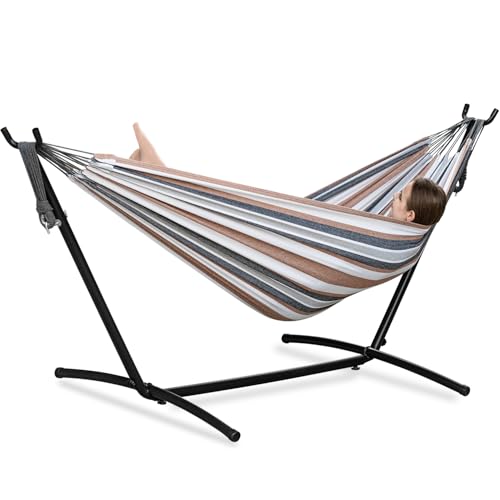
Portable Hammock and Stand: The Ultimate Comfort Guide
Experience the perfect blend of relaxation and convenience. Whether you're camping, lounging in the backyard, or heading to the beach, a portable hammock with a stand offers unparalleled comfort without the need for trees.
VIEW TOP PICKSThe Freedom of Freestanding Comfort: A portable hammock and stand combo eliminates the guesswork of finding the perfect trees. Set up anywhere—on rocky terrain, sandy beaches, or concrete patios—and enjoy a consistent, comfortable hang every time.
Why Choose a Portable Hammock with Stand?
For decades, hammock enthusiasts have been limited by the availability of suitable trees. The portable hammock and stand changes everything. This innovative solution combines the proven comfort of a traditional hammock with a self-supporting frame that can be assembled in minutes.
Whether you're a first-time camper or a seasoned outdoor adventurer, a freestanding hammock offers unique advantages. It's ideal for locations where trees are sparse, protected, or simply not available. From beach camping to lake camping, this versatile piece of gear ensures you always have a comfortable place to rest.
When comparing options, you might also consider a tent vs hammock setup to determine which sleeping system best suits your camping style.
Key Benefits of Freestanding Hammocks
Versatility and Convenience
The primary advantage is the ability to set up virtually anywhere. No more scouting for perfectly spaced trees or worrying about damaging delicate bark. The stand provides a consistent, stable hang every time, regardless of the environment.
- Any Terrain: Works on sand, rock, concrete, and uneven ground.
- Quick Setup: Most models assemble in under 10 minutes without tools.
- Consistent Comfort: The frame maintains the ideal hang angle for optimal ergonomic support.
- No Tree Damage: Eliminates the need for tree straps and protects fragile ecosystems.
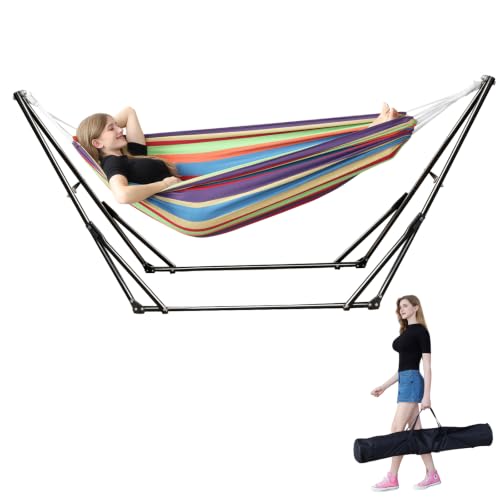
- Portability: Many models pack down into a compact carry bag for easy transport.
What to Look for in a Portable Hammock and Stand
Weight Capacity and Durability
The weight capacity is the most critical specification. Entry-level models typically support around 250 pounds, while mid-range and premium options can handle 300 to 500 pounds or more. Always check the combined weight limit of both the hammock and the stand.
Stand Construction and Materials
Steel stands are common, durable, and affordable. Aluminum stands are lighter and more portable but may be a premium option. Look for powder-coated finishes to resist rust, especially if you'll be near saltwater.
Hammock Fabric and Comfort
Look for breathable, quick-drying fabrics like parachute nylon or cotton-polyester blends. Some hammocks include built-in bug nets, which are invaluable for camping with dogs or in insect-prone areas.
Assembly and Portability
Consider how the stand breaks down and whether it comes with a carry bag. Tool-free assembly is a significant advantage. If you plan to hike to your campsite, look at lightweight backpacks for hiking to carry your gear.
💡 Pro Tip: If you're new to hammock camping, practice setting up your hammock and stand at home before your trip. This ensures you're familiar with the assembly process and can identify any missing components before you're in the field.
Comparing Portable Hammock and Stand Types
The table below outlines common types of portable hammock and stand combinations. Use the quality tier descriptors to understand the relative positioning of each option in the market.
| Type | Best For | Portability | Quality Tier |
|---|---|---|---|
| Steel Frame with Nylon Hammock | Backyard relaxation, car camping | Moderate | Entry-Level |
| Aluminum Frame with Parachute Nylon | Camping, beach trips, travel | High | Mid-Range |
| Premium Stand with Ripstop Nylon Hammock | Frequent travelers, ultralight camping | Very High | Premium |
| Luxury Stand with Quilted Fabric Hammock | Patio, glamping, permanent setup | Low | Luxury |
For those who prefer a more traditional setup, consider a hammock that can be used as a tent for ultimate versatility. If you're backpacking, you might explore options for a two-person backpacking tent or a one-person backpacking tent as alternatives.
Setup and Usage Tips for Your Portable Hammock
Choosing the Right Location
Select a level surface for your stand to prevent tipping. If you're on a slope, orient the stand so that the hammock is level. Avoid setting up near campfire rings or areas prone to common camping injuries.
Weather Considerations
Always check the weather forecast before setting up. If rain is expected, consider a camping tent with stove or a portable pop-up tent as a backup shelter. For cold weather, you may want to explore winter camping gear and winter sleeping bags to stay warm.
Maintenance and Care
Inspect your hammock and stand regularly for signs of wear, such as fraying fabric or rust. Clean the hammock according to the manufacturer's instructions. Store it dry in its carry bag to prevent mildew.
Safety Considerations for Hammock Camping
While hammock camping is generally safe, there are important precautions to keep in mind. Always verify the weight capacity of both the hammock and the stand, and never exceed it. Follow campfire safety rules if you have a fire nearby, and be aware of wildfire prevention guidelines.
For those camping in bear country, review food storage rules and consider bear safety camping practices. Also, familiarize yourself with emergency SOS signals and carry a first aid for camping kit.
For additional safety, especially in remote areas, consider carrying a satellite communicator or emergency beacon to stay connected.
Frequently Asked Questions
Can I use a portable hammock and stand for overnight camping?
Yes, many campers use freestanding hammocks for overnight trips. However, you may want to add insulation underneath, such as an ultralight camping sleeping pad or an inflatable camping sleeping mat, to stay warm. Some also prefer to use a 3-season sleeping bag or a sleeping bag for camping for added warmth.
How much weight can a portable hammock stand hold?
Weight capacity varies by model. Entry-level stands typically support 250 pounds, while mid-range and premium options may support 300 to 500 pounds or more. Always check the manufacturer's specifications for both the hammock and the stand.
Is it safe to set up a hammock on a beach?
Yes, a freestanding hammock is ideal for the beach. Look for models with rust-resistant finishes. Learn more about setting up a tent on the beach for related tips.
Can I use a hammock stand with any hammock?
Most hammock stands are designed to work with various hammock styles, but it's best to check compatibility. Some stands have specific attachment points. If you're considering a hammock that can be used as a tent, verify that it fits your stand.
How do I choose the best portable hammock for camping?
Consider your priorities: weight, pack size, ease of setup, and comfort. For camping, look for models that pack down small and are easy to assemble. Reading camping FAQ and guides like what to bring camping can help you make an informed decision.
Final Thoughts on Portable Hammock and Stand Combos
A portable hammock and stand is a worthwhile investment for anyone who loves outdoor relaxation. It provides the freedom to lounge anywhere, from a remote campsite to your own backyard. By understanding the key features, weight capacities, and materials, you can choose a model that fits your needs and budget.
For more information on camping gear and outdoor tips, explore our guides on camping gear, camping checklists, and camping destinations. Whether you're planning a solo trip or a family adventure, the right hammock and stand can transform your outdoor experience.