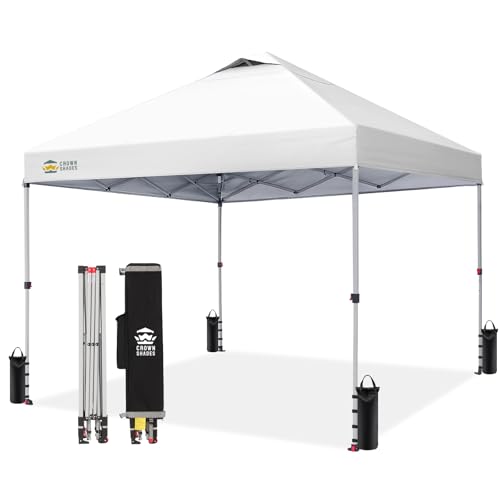
Portable Pop Up Tent: The Ultimate Instant Shelter Guide
Discover how modern pop up tents combine convenience with durability. Learn what to look for in an instant tent, how to choose the right size, and why these shelters are revolutionizing outdoor camping for beginners and veterans alike.
VIEW TOP PICKSWhy Choose a Portable Pop Up Tent?
Gone are the days of struggling with poles, sleeves, and confusing instructions after a long hike. A portable pop up tent (also known as an instant tent or quick-set-up tent) utilizes pre-assembled pole structures that snap into place within seconds. This technology has made camping accessible to everyone, from families with young children to solo adventurers who want to maximize their time enjoying nature rather than wrestling with gear.
The core appeal lies in the name: portability and speed. When you arrive at your campsite, the last thing you want is a complicated setup. These tents deploy almost like a magic trick—you remove them from the carry bag, toss them gently into the air, and watch them unfold. This ease of use is particularly beneficial for first-time campers and those who may have physical limitations that make traditional tent assembly difficult.
However, not all pop up tents are created equal. Understanding the nuances of materials, pole mechanisms, and weather resistance is crucial before making a purchase. This guide will walk you through everything you need to know to make an informed decision.
How Does Instant Setup Technology Work?
At the heart of every pop up tent is a pre-bent pole system, typically made from fiberglass or flexible carbon fiber. These poles are permanently attached to the tent fabric, forming a continuous loop. When the tent is folded, the poles are twisted into a compact coil. To set it up, you simply release the tension, and the poles naturally spring into their pre-determined shape.
Key Components of a Pop Up Tent
- Pre-Assembled Frame: Fiberglass or carbon fiber poles that are sewn into the tent body. They never need to be threaded.
- Hub System: Many high-quality models use a central hub where poles meet, creating a strong structural apex.
- Instant Locking Mechanism: Some tents feature a locking ring or clip that secures the frame once it springs open.
- Rainfly: A separate waterproof layer that covers the mesh body. On pop up tents, this is often pre-attached or can be clipped on quickly.
- Carry Bag: Usually a wide, flat bag that makes folding and storing the tent easy (though re-packing can sometimes be tricky for beginners).
While the setup is nearly instantaneous, taking down a pop up tent requires a bit of practice. The key is to fold the tent in a specific sequence to avoid damaging the poles. Most manufacturers provide a diagram sewn into the carry bag. Once mastered, the process takes less than a minute.
Types of Portable Pop Up Tents
The market offers a variety of pop up tents tailored to different camping styles. Here are the most common categories:
Dome Pop Up Tents
Classic dome shape, lightweight, and best for fair weather. These are ideal for backyard camping or short trips. They offer basic ventilation and are easy to carry.
Best for: Solo campers, couples, festival-goers.
Cabin Pop Up Tents
Featuring near-vertical walls, these provide more headroom and a spacious interior. They often include room dividers and multiple doors.
Best for: Families, car campers, extended trips.
Blackout & Weather-Resistant Tents
Constructed with thicker fabrics and blackout coatings to block sunlight and reduce heat. They feature reinforced frames and superior rainflies.
Best for: Summer camping, late risers, unpredictable weather.
Screen House & Canopy Tents
Not for sleeping, but perfect for bug-free lounging. These pop up instantly to create a screened patio or shade area.
Best for: Picnics, backyard parties, beach shade.
When selecting a type, consider your primary use case. If you plan to camp in heavy rain, a cabin-style tent with a full-coverage rainfly is superior. If you are backpacking, a lightweight dome is preferable. For those who want the ultimate convenience, a instant pop up tent with a hub system offers the best balance of speed and stability.
Key Features to Evaluate Before Buying
Not all instant tents are built to last. Here are the critical factors to consider:
1. Waterproofing and Material
Look for a tent with a waterproof rating of at least 2000mm for the rainfly and floor. Polyester and nylon are common, but polyester is more resistant to UV damage and doesn't stretch as much when wet. Taped seams are essential—if the seams aren't sealed, water will find a way in.
2. Ventilation
Condensation is the enemy of any tent. Pop up tents can sometimes prioritize speed over airflow. Ensure your chosen model has large mesh panels, roof vents, and a design that allows for cross-ventilation. A tent with only one small window will become a sauna in the summer.
3. Size and Capacity
Tent capacities are often optimistic. A "4-person" tent usually fits four people sleeping shoulder-to-shoulder with no gear. For comfort, subtract one person from the rating. If you need space for air mattresses and bags, consider a 6-person instant tent or larger.
4. Durability of the Frame
Fiberglass poles are common but can splinter over time. Carbon fiber is lighter and stronger but more expensive. Check user reviews for reports of pole breakage, especially at the hub joints. A robust hub system is the hallmark of a quality pop up tent.
5. Ease of Packing
The setup is easy, but can you get it back in the bag? Some tents feature a "pull strap" system that makes folding intuitive. Others require a specific twisting motion that can be frustrating. Look for models with a wide, oversized carry bag to reduce packing stress.
Pop Up Tent vs. Traditional Tent: A Quick Comparison
To help you decide if a portable pop up tent is right for you, here is a side-by-side comparison:
- Setup Time: Pop up (seconds) vs. Traditional (5-15 minutes).
- Weight: Pop up (often heavier due to pre-attached poles) vs. Traditional (lighter, packable).
- Packed Size: Pop up (bulkier, circular shape) vs. Traditional (compact, cylindrical).
- Durability: Traditional (easier to repair, replace poles) vs. Pop up (harder to repair if frame breaks).
- Weather Resistance: Traditional (generally better for extreme conditions) vs. Pop up (adequate for moderate weather).
- Best For: Pop up (car camping, festivals, quick trips) vs. Traditional (backpacking, extreme weather, long expeditions).
If you are a backpacker counting every ounce, a traditional tent is still the better choice. However, for car camping, beach trips, or a camping pop up tent experience where convenience trumps minimal weight, the instant tent wins hands down.
💡 Pro Tips for Pop Up Tent Owners
- Practice at Home: Before your trip, set up and take down your tent in your backyard. Mastering the fold is crucial to avoid frustration at the campsite.
- Use a Footprint: Place a tarp or footprint under your tent to protect the floor from abrasion and punctures.
- Stake it Down: Even though it pops up instantly, always stake your tent down. A sudden gust of wind can turn an unsecured pop up tent into a tumbleweed.
- Don't Force It: If the tent resists folding, you are likely twisting it the wrong way. Consult the instructions and apply gentle pressure.
- Store Dry: Never store a tent wet. Mildew will destroy the waterproof coating and fabric. Set it up in the sun to dry completely before packing it away.
- Check Regulations: Some campgrounds have rules about "instant" tents due to their potential to blow away. Always follow campground vs wild camping guidelines.
Safety and Maintenance
A pop up tent is a piece of gear that, with proper care, can last for many seasons. After each trip, inspect the poles for cracks and the fabric for holes. Clean the tent with mild soap and water—never use harsh detergents. For minor seam leaks, apply a seam sealer.
Safety is also paramount. Never use fuel-burning heaters inside a tent without proper ventilation. If you need warmth, consider safe tent heaters for camping battery operated models, or focus on a high-quality sleeping bag for camping to retain body heat. Always be aware of campfire safety rules and ensure your tent is pitched at a safe distance from any fire source.
For those who camp in colder months, a pop up tent may not be sufficient. You may need to explore winter tents or 4 season tent with stove jack for sale options that are designed for snow loads and extreme cold.
Frequently Asked Questions
Are pop up tents good for rain?
Yes, but with caveats. Many pop up tents are designed for 3-season use and can handle moderate rain if they have a full-coverage rainfly and taped seams. However, they are generally not recommended for severe storms or prolonged heavy downpours. Always check the hydrostatic head rating.
How do you fold a pop up tent?
The process involves pushing the tent down into a flat shape, then twisting the poles into a figure-eight or circle. Each tent is different, so always follow the manufacturer's specific instructions. It gets easier with practice.
Can a pop up tent be used for backpacking?
Generally, no. Pop up tents are heavier and bulkier than traditional backpacking tents. For backpacking, look for a two person backpacking tent or a one person backpacking tent that packs down small.
What is the best size for a family?
For a family of four, a 6-person pop up tent is often ideal. It provides enough room for sleeping bags and some gear without being too heavy. For larger families, consider a 10 person camping tent.
Explore Related Gear and Guides
If you are equipping your camp, consider these related topics:
- For a comfortable night's sleep, pair your tent with a camping bed for tents or a self inflating camping mattress.
- If you enjoy lounging outdoors, a screen tent pop up is a great addition to your basecamp.
- For those who want to camp in their vehicle, explore SUV roof top tent options.
- Learn how to set up a tent in the rain to keep your gear dry.
- Check out our guide on how to choose tent size for more detailed advice.