
Sleeping Bags for Camping: Your Complete Guide
Discover how to choose the perfect sleeping bag for your camping adventures. From temperature ratings to fill types and shapes, we break down everything you need to know before you buy.
VIEW TOP RECOMMENDATIONSWhy Your Sleeping Bag Matters: A good night's sleep is the foundation of every great camping trip. Unlike your bed at home, a sleeping bag must regulate your body temperature, protect you from moisture, and provide comfort on uneven ground. Choosing the wrong bag can mean shivering all night or waking up drenched in sweat. This guide will help you make an informed decision.
Understanding Sleeping Bag Temperature Ratings
The temperature rating is the most critical specification to understand when shopping for sleeping bags for camping. This number indicates the lowest temperature at which an average person can sleep comfortably. However, it is essential to know that these ratings are not standardized across all brands.
Most manufacturers provide three key ratings:
- Comfort Rating: The temperature at which an average woman can sleep comfortably. This is usually the most relevant rating for cold sleepers.
- Lower Limit Rating: The temperature at which an average man can sleep comfortably for eight hours without waking up cold.
- Extreme Rating: A survival rating, not a comfort rating. This is the temperature at which a person can survive for six hours without hypothermia. Do not use this as your primary guide.
When selecting a bag, consider the conditions you will camp in. If you plan to camp in winter camping conditions, look for a bag with a comfort rating that is at least 10°F below the lowest temperature you expect to encounter. For 3-season sleeping bags, a rating between 20°F and 35°F is a versatile choice for spring, summer, and fall. For a deeper dive into this subject, see our guide on the sleeping bag temperature guide.
Down vs. Synthetic: Choosing the Right Fill
Down Sleeping Bags
Down fill is made from the fluffy undercoating of duck or goose feathers. It is prized for its exceptional warmth-to-weight ratio and compressibility.
- Pros: Lightweight, packs down very small, extremely durable if cared for properly, and breathable.
- Cons: Expensive (premium tier), loses insulating ability when wet, requires careful cleaning.
- Best For: Backpackers, ultra-lightweight sleeping bag enthusiasts, and cold-weather campers who prioritize weight and pack size.
Synthetic Sleeping Bags
Synthetic fill is made from polyester or other man-made fibers. It is designed to mimic the properties of down but with different trade-offs.
- Pros: Retains warmth even when wet, more affordable (budget-friendly to mid-tier), easier to clean, and hypoallergenic.
- Cons: Heavier and bulkier than down, less durable over many years, and less breathable.
- Best For: Wet climates, car campers, camping gear for families, and beginners looking for a reliable, low-maintenance option.
Sleeping Bag Shapes: Mummy, Rectangular, and Semi-Rectangular
The shape of your sleeping bag affects both warmth and comfort. Here is a breakdown of the three main shapes:
- Mummy Bags: These are tapered to fit the contours of your body, with a hood that cinches around your face. They are the most thermally efficient because there is less dead air space to heat up. Ideal for backpacking and cold-weather camping.
- Rectangular Bags: These offer the most room to move around. They are great for car camping and warm-weather trips where thermal efficiency is less critical. Many rectangular bags can be unzipped completely and used as a quilt.
- Semi-Rectangular Bags: A hybrid design that offers more room than a mummy but better thermal efficiency than a rectangular bag. This is a popular choice for general camping.
For side sleepers, a semi-rectangular or rectangular bag may provide better comfort. If you frequently move around in your sleep, a mummy bag can feel restrictive. For those who want to combine a bag with a mattress, consider an all-in-one sleeping bag and mattress solution.
Sleeping Bag Quality Tiers Explained
To help you navigate the market without focusing on fluctuating prices, we use a tier system to describe the relative quality and intended use of sleeping bags.
Best for Occasional Campers
These bags are typically synthetic and use basic materials. They are heavier and bulkier but offer reliable warmth for fair-weather camping. They are a great starting point for first-time camping tips.
Best for Regular Campers
Offering a balance of performance and durability, mid-range bags often feature better synthetic fills or lower-fill-power down. They are lighter and more packable than entry-level options, making them suitable for family camping and weekend trips.
Best for Backpackers & Cold Weather
These bags use high-fill-power down (e.g., 800+), lightweight shell fabrics, and advanced construction to maximize warmth while minimizing weight and packed size. They are essential for sleeping pads for backpacking and winter camping gear.
Best for Extreme Conditions & Comfort
The pinnacle of sleeping bag technology. These bags often feature premium responsibly sourced down, hydrophobic treatments, and meticulous craftsmanship. They are designed for expedition-level winter camping and those who demand the absolute best in warmth and comfort.
Quick Comparison: Key Features by Tier
| Feature | Entry-Level | Mid-Range | Premium | Luxury |
|---|---|---|---|---|
| Fill Type | Synthetic | Synthetic or Lower-Fill Down | High-Fill Down | Ultra-High-Fill Down |
| Weight | Heavier | Moderate | Lightweight | Ultralight |
| Packability | Bulky | Compressible | Highly Compressible | Extremely Compressible |
| Best Use | Car Camping, Warm Weather | General Camping, 3-Season | Backpacking, Winter Sleeping Bags | Expeditions, Extreme Cold |
| Durability | Good | Very Good | Excellent | Exceptional |
Additional Features That Matter
Beyond fill and shape, several other features can significantly impact your comfort:
- Hood and Draft Collar: A well-designed hood traps heat around your head, while a draft collar prevents warm air from escaping around your neck and shoulders. These are crucial for cold-weather camping.
- Zipper Type: Look for a two-way zipper with an anti-snag backing. A full-length zipper allows you to vent the bag on warmer nights.
- Shell Fabric: A water-resistant shell (like those treated with DWR) helps protect the insulation from condensation and light moisture. This is especially important for camping in a tent in the rain.
- Storage: Always store your sleeping bag loosely in a large cotton or mesh storage sack, not in its stuff sack. Compressing insulation for long periods reduces its loft and insulating power.
- Liners: A liner for sleeping bag can add warmth, keep your bag clean, and extend its life. A silk sleeping bag liner is a popular choice for adding a few degrees of warmth without much weight.
How to Care for Your Sleeping Bag
Proper care will extend the life of your sleeping bag for many years. Here are a few essential tips:
- Cleaning: Always follow the manufacturer's instructions. For down bags, use a specialized down wash. For synthetic bags, use a mild, non-detergent soap. Never use fabric softener or bleach.
- Drying: Tumble dry on low heat with clean tennis balls to help restore loft. This can take several hours. Ensure the bag is completely dry before storing.
- Storage: Store your bag uncompressed in a large breathable sack. This prevents the insulation from being permanently compressed.
- Repairs: Patch small tears immediately with a repair tape to prevent them from growing. For down bags, use a down-specific patch kit.
By following these simple steps, your sleeping bag will be a reliable companion for countless adventures, whether you are camping with dogs or embarking on a solo trip.
Frequently Asked Questions
Can I use a sleeping bag as a quilt?
Yes, many rectangular and semi-rectangular bags can be unzipped completely and used as a quilt. This is a popular option for warm-weather camping.
How do I know if a sleeping bag is warm enough?
Check the comfort rating, not the extreme rating. Consider your personal cold tolerance and the expected nighttime temperatures. If you sleep cold, choose a bag with a lower comfort rating than you think you need.
Should I get a down or synthetic sleeping bag?
Choose down if you prioritize weight and packability, and you camp in mostly dry conditions. Choose synthetic if you camp in wet environments, have a budget-friendly preference, or want easier maintenance.
How should I store my sleeping bag?
Store it loosely in a large cotton or mesh storage sack. Avoid leaving it compressed in its stuff sack for extended periods.
Recommended Sleeping Bags for Camping
⚠️ AFFILIATE DISCLOSURE: This website contains affiliate links. As an Amazon Associate, we earn from qualifying purchases. If you make a purchase through these links, we may receive a small commission at no additional cost to you. Read our full affiliate policy.

MalloMe Sleeping Bags for Adults Cold Weather & Warm - Backpacking Camping Sleeping Bag for Kids, Girls, Boys - Lightweight Camping Essentials Gear Accessories Hiking Sleep Must Haves Single & Double
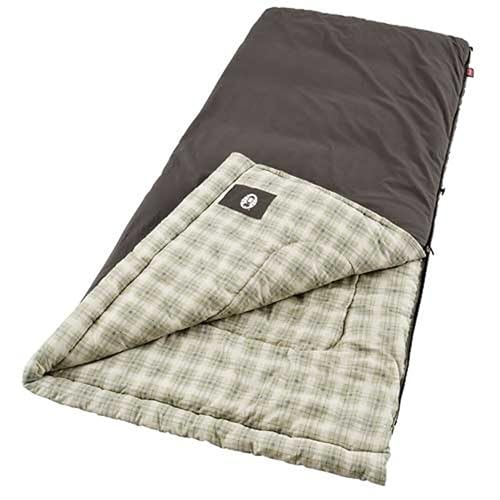
Coleman Heritage Big & Tall 10°F Flannel Sleeping Bag, XL Sleeping Bag Fits Adults up to 6ft 7in Tall, Machine Washable, Great for Camping, Hunting, Guests, & More
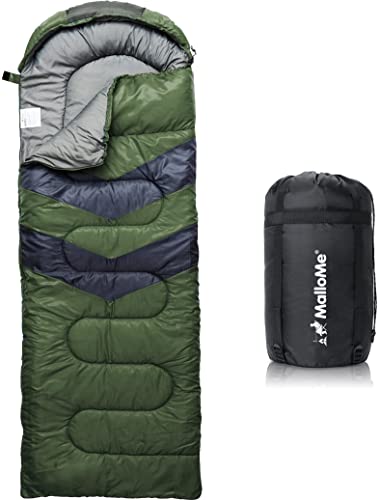
MalloMe Sleeping Bags for Adults Cold Weather & Warm - Backpacking Camping Sleeping Bag for Kids, Girls, Boys - Lightweight Camping Essentials Gear Accessories Hiking Sleep Must Haves Single & Double

HiZYNICE Sleeping Bags for Adults XXL Cold Weather
