
Portable Gazebos: The Ultimate Guide to Instant Outdoor Shelters
Whether you're planning a backyard party, a camping trip, or a tailgate event, a portable gazebo provides instant shade, shelter, and style. Learn how to choose the perfect one for your needs.
View Top PicksWhy a Portable Gazebo? Unlike a permanent structure, a portable gazebo offers the freedom to create a comfortable outdoor space anywhere. They are the unsung heroes of camping comfort, providing a dedicated spot for cooking, dining, or simply escaping the sun and bugs. This guide will walk you through everything you need to know before making a purchase.
What Exactly Is a Portable Gazebo?
A portable gazebo, often called a pop-up canopy or instant shelter, is a freestanding structure with a roof and often side walls, designed to be easily transported and set up. Unlike a traditional camp shelter that might be a simple tarp, a gazebo offers a more defined and enclosed space. They typically feature a folding frame (usually steel or aluminum) and a fabric cover, all fitting into a carry bag. This makes them ideal for creating a comfortable basecamp, much like a portable canopy but often with more features like mosquito netting or solid walls.
Key Features to Consider Before Buying
Size and Shape
Portable gazebos come in various sizes, from compact 8x8 models for a small family to expansive 12x12 canopies. Common shapes include square, rectangular, and hexagonal. Consider how many people you need to shelter and what you'll be using it for. A larger 12x12 canopy is great for a dining area, while a smaller folding canopy might suffice for a sunshade over a picnic blanket.
Frame Material & Durability
The frame is the skeleton. Look for powder-coated steel for strength and rust resistance, or aluminum for lighter weight. Entry-level models often use thinner steel, while premium and luxury gazebos feature thicker, more robust frames with reinforced joints. The mechanism, whether it's a simple pull-up or a more complex instant canopy system, is a key indicator of quality.
Canopy Fabric & Weather Resistance
The fabric is your primary defense against the elements. Look for materials like polyester or oxford cloth with a waterproof coating (like PU or PVC). A UV-resistant treatment is crucial for sun protection. For camping, a model with a rain fly or fully taped seams offers superior protection against rain. The quality of the fabric is a major differentiator between mid-range and high-end models.
Walls and Netting
Many gazebos come with optional side walls. Solid walls provide privacy and wind protection, while mesh walls (netting) keep insects out while allowing airflow. A camping canopy with a full set of mesh walls essentially becomes a large screen house, perfect for bug-free evenings. Some models offer convertible walls that can be solid or mesh, or roll up for an open feel.
Popular Types of Portable Gazebos
Understanding the different styles can help you narrow down your choice. Here’s a quick comparison:
| Type | Best For | Key Characteristics |
|---|---|---|
| Pop-Up / Instant Canopy | Quick setup at events, sports, and casual camping. | One-piece frame that expands instantly. Often entry-level or mid-range. Easiest to set up, but can be less stable in high winds. |
| Screen House / Mesh Gazebo | Camping in buggy areas, family dining, and lounging. | Features full mesh walls to keep insects out. A premium version might have a portable gazebo design with a sturdy frame and extra features like a camping bathroom attachment. |
| Party Tent / Event Canopy | Large gatherings, weddings, and extended camping trips. | Larger sizes (e.g., 10x20), often with a more complex pole-and-roof design. Can be high-end or luxury, offering more space and a more formal look. |
| Beach / Sun Shelter | Beach days, picnics, and quick sun protection. | Often lighter and more compact, like a inflatable canopy or a simple pop-up. Prioritizes portability over all-weather protection. |
Materials & Durability: What to Look For
The longevity of your gazebo depends heavily on its construction. When comparing models, think in terms of tiers: entry-level, mid-range, and premium.
Entry-Level
These are budget-friendly options, often found in the 8x8 canopy size. They typically feature a lightweight steel frame and a basic polyester canopy. They are perfect for occasional, fair-weather use but may not withstand heavy rain or strong winds. The setup mechanism is usually a simple push-pull design.
Mid-Range
This is the sweet spot for most campers. A mid-range gazebo offers a good balance of durability and portability. You'll find thicker steel or aluminum frames, higher-denier fabrics with better waterproof and UV ratings, and features like reinforced corners and a more reliable instant canopy setup system. Many screen houses with quality netting fall into this tier.
Premium & Luxury
Top-tier gazebos are built for frequent use and harsh conditions. They feature heavy-duty, powder-coated steel or aircraft-grade aluminum frames, often with a wind vent and guy lines for stability. The canopy fabric is typically a heavy-duty, 500D or higher, solution-dyed material that is highly water-resistant and UV-blocking. These models often come with a wheeled carry bag and a multi-year warranty.
Setup, Takedown, and Maintenance Tips
Even the best gazebo can be a headache if you don't know how to handle it. Here are some universal tips:
- Practice First: Set up your gazebo at home before your trip. This helps you understand the mechanism and ensures no parts are missing.
- Choose a Level Spot: Setting up on a slope can stress the frame and make it unstable. If you're on a campsite, a flat area near your pitching tent spot is ideal.
- Use Stakes and Guy Lines: Even on a calm day, always secure your gazebo with the provided stakes. In windy conditions, use all guy lines. A sudden gust can turn an unsecured canopy into a kite.
- Don't Force It: If a joint is stuck, don't force it. Check for pinch points or debris in the mechanism.
- Clean and Dry Before Storing: Dirt and moisture are the enemies of fabric and metal. Wipe down the frame and ensure the canopy is completely dry before packing it away to prevent mold and rust.
- Handle with Care: The fabric is tough but can be torn by sharp objects. Be careful when setting up near branches or on rough ground. A ground tarp or waterproof tarps underneath can protect the floor if your model has one.
Beyond the Campsite: Other Great Uses
While they are fantastic for camping, a portable gazebo is a versatile investment for many outdoor activities.
Backyard & Garden
Create an instant shaded retreat in your own backyard. It's perfect for summer parties, a quiet reading spot, or a protected area for your outdoor toilet setup during a home renovation. It's a more temporary and affordable option than a permanent house yurt or yurt kits.
Events & Tailgating
Become the hero of the tailgate or the perfect host at a picnic. A gazebo provides a central hub for food, drinks, and socializing, offering welcome shade on a hot day. A vendor tent style is also great for craft fairs and farmers' markets.
Beach & Park Days
A lightweight gazebo is a game-changer for a day at the beach or a local park. It offers a dedicated spot to escape the sun and wind, and can act as a base for your seaside camping adventure. Just be sure to check local regulations regarding temporary structures.
Ready to find the perfect shelter for your next adventure? We've curated a selection of top-rated portable gazebos to suit every need and budget tier.
Check Our RecommendationsFrequently Asked Questions
Can I use a portable gazebo for winter camping?
It's not recommended for heavy snow or extreme cold. The fabric and frame are not designed for snow loads, and they offer little insulation. For winter, a dedicated winter tent or a hot tent camping setup is a much safer and more comfortable choice.
How do I keep my gazebo from blowing away?
Always use the included stakes to secure the feet. If it's windy, use all the guy lines and stake them out at a 45-degree angle. You can also use sandbags or weighted water jugs on the feet for extra security. Never leave a gazebo set up unattended in a storm.
What's the difference between a screen house and a gazebo?
Essentially, a screen house is a type of gazebo. The term "screen house" specifically refers to a gazebo where the walls are primarily made of mesh or netting to keep bugs out. A gazebo might have solid walls, no walls, or a mix of both.
Can I put a heater inside a portable gazebo?
You must be extremely cautious. If you use a heater, ensure it is designed for indoor or tent use, and never use a fuel-burning heater without proper ventilation. Always follow the heater's safety instructions and keep it away from the fabric walls. A safer alternative is a battery-operated camping heater.
Recommended Portable Gazebos
⚠️ AFFILIATE DISCLOSURE: This website contains affiliate links. As an Amazon Associate, we earn from qualifying purchases. If you make a purchase through these links, we may receive a small commission at no additional cost to you. Read our full affiliate policy.
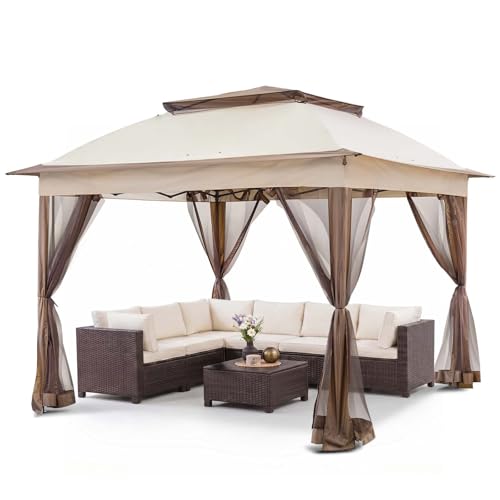
COOS BAY 11x11 Pop Up Gazebo with Netting, Canopy Tent, Beige | Outdoor Gazebo for Backyard, Party & Patio Furniture, Screened Canopy with Carry Bag, UPF 50+ UV Protection, Dual Vented Top

VEVOR 12x12ft Pop Up Gazebo Tent with Mosquito Netting, 6 Removable Wind Panels & 2 Mesh Windows, Outdoor Canopy Shelter for Patio, Army Green

VEVOR 12×12ft Pop Up Gazebo Screen Tent, 6-Sided Camping Canopy Shelter | 6 Removable Privacy Wind Cloths & Full Mesh Mosquito Netting — Bug-Proof on All Sides with Airflow for Outdoor Camping

VEVOR Pop Up Gazebo Tent, 6 x 6 ft 4-Sided Screen Shelter with Mosquito Netting, Mesh Windows and 4 Removable Privacy Wind Panels, Brown

GOJOOASIS 10’x10’ Patio Gazebo Canopy Tent w/Removable Netting, Beige | Outdoor Shelter, Ventilated Double-tier Top, Drainage Hole Design, Suitable for Garden, Backyard, Lawn
