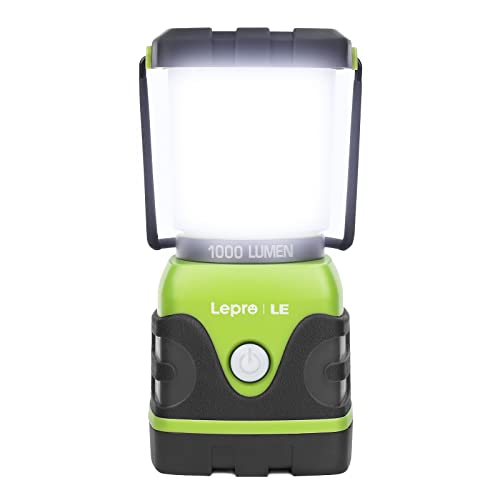
Good Camping Lantern: Your Complete Guide to Choosing the Best Light
When the sun sets and darkness falls over your campsite, a reliable lantern becomes your most valuable tool. It lights up your cooking area, keeps you safe during nighttime walks, and creates a warm atmosphere for storytelling. But with so many options available, how do you identify a truly good camping lantern? This guide breaks down everything you need to know—from brightness and battery life to durability and special features—so you can make an informed decision and enjoy your outdoor adventures with confidence.
Why a Good Lantern Matters: A poor-quality lantern can leave you fumbling in the dark, drain its batteries too quickly, or fail when you need it most. Investing in a dependable lantern means safer, more enjoyable evenings at the campsite—whether you're cooking dinner, reading, or simply relaxing under the stars.
What Makes a Camping Lantern "Good"?
A good camping lantern is not simply the brightest or the most feature-packed model. It is one that matches your specific camping needs and performs reliably in the conditions you encounter. Several key factors separate excellent lanterns from mediocre ones:
- Brightness (Lumens): Measured in lumens, brightness determines how much area your lantern can illuminate. Entry-level lanterns often provide 50–150 lumens, while mid-range models offer 150–400 lumens, and premium or high-end lanterns can exceed 600 lumens. For most campsites, 200–400 lumens is ideal.
- Battery Life & Power Source: A good lantern runs for many hours on a single charge or set of batteries. Rechargeable models with USB-C ports are increasingly popular, while battery-powered lanterns remain reliable for remote trips. Some high-end lanterns double as power banks to charge your phone.
- Durability & Weather Resistance: Camping exposes gear to rain, dust, and accidental drops. Look for lanterns with IPX4 or higher water resistance and impact-resistant housing. Premium models often feature ruggedized construction for extreme conditions.
- Portability & Size: A good lantern should be easy to carry and pack. Collapsible designs and compact form factors are excellent for backpacking, while larger lanterns suit car camping and basecamps.
- Light Quality & Modes: Adjustable brightness, warm or cool light options, and emergency modes (like flashing or red light) add versatility. Some lanterns offer 360-degree illumination, while others provide directional light.
Types of Camping Lanterns
Understanding the different types of lanterns helps you narrow down your choice based on your camping style:
1. Battery-Powered Lanterns
These lanterns run on disposable or rechargeable batteries (AA, D, etc.). They are reliable and easy to use, making them a solid choice for beginners and families. However, you need to carry spare batteries for extended trips.
2. Rechargeable Lanterns
Rechargeable lanterns feature built-in lithium-ion batteries and charge via USB. Many modern models offer power bank functionality, allowing you to charge small devices. They are eco-friendly and convenient for car camping and shorter trips. For extended adventures, pairing a rechargeable lantern with a camping power bank ensures you never run out of light.
3. Solar-Powered Lanterns
Solar lanterns harness the sun's energy, making them ideal for off-grid camping. They are lightweight and cost-effective for long trips, though charging can be slow on cloudy days. A solar-powered camping lamp is an excellent backup or primary light source for eco-conscious campers.
4. Propane & Fuel Lanterns
These lanterns burn propane or white gas to produce bright, warm light. They are very bright and long-lasting but require fuel canisters and proper ventilation. They are best suited for car camping and group trips rather than backpacking.
5. Collapsible & Compact Lanterns
Designed for backpackers and minimalists, these lanterns collapse into a small package and often weigh just a few ounces. They typically offer lower brightness but are perfect for ultralight trips.
Key Features to Compare Before Buying
When comparing lanterns, use these criteria to evaluate which model is best for you:
Brightness and Beam Distance
Consider how much area you need to light. A lantern with 200–300 lumens covers a standard picnic table and surrounding area. For larger group sites, look for 400+ lumens. Beam distance matters if you need to light a path or distant objects.
Runtime and Power Efficiency
Check the manufacturer's runtime specifications. Entry-level lanterns may run 10–20 hours on low, while premium models can exceed 100 hours. Rechargeable lanterns often have variable brightness settings to extend runtime.
Durability and Water Resistance
If you camp in wet or rugged environments, prioritize lanterns with high IP ratings (IPX4 or better) and shock-resistant bodies. A durable lantern is a long-term investment.
Size, Weight, and Portability
Backpackers should aim for lanterns under 1 pound. Car campers can opt for larger, brighter models without worrying about weight. Collapsible designs save space in your pack.
Extra Features
Useful extras include red night vision modes, flashing emergency signals, power bank outputs, and remote controls. Some lanterns can even be hung from a hanging lantern solar light setup for versatile lighting.
How to Choose the Right Lantern for Your Needs
Your ideal lantern depends on how, where, and with whom you camp. Here are recommendations by camping style:
For Solo Backpackers
Prioritize lightweight, compact lanterns with adequate brightness (100–200 lumens) and USB rechargeability. A collapsible lantern that weighs under 6 ounces is ideal. Pair it with a camping backpack that has dedicated gear loops for easy access.
For Family Car Camping
Choose a bright, durable lantern with long runtime and multiple brightness settings. Rechargeable models with power bank capability are convenient. A lantern that provides 360-degree illumination is perfect for lighting up a picnic table and surrounding area.
For Group Camping
Opt for high-lumen lanterns (400+) or multiple lanterns to cover a large area. Propane lanterns are excellent for group sites, but rechargeable models with high output are cleaner and easier to use.
For Emergency Preparedness
A good camping lantern is also a vital part of any emergency preparedness camping kit. Look for lanterns with long runtimes, flashing SOS modes, and robust construction. Rechargeable models with power bank functionality can keep your phone charged during outages.
Maintenance and Safety Tips
To get the most out of your camping lantern, follow these simple practices:
- Store lanterns in a dry, cool place when not in use.
- Clean the lens and housing regularly to maintain brightness.
- For rechargeable lanterns, avoid full discharges to extend battery lifespan.
- Never use fuel-burning lanterns inside a tent due to carbon monoxide risks.
- Check batteries before every trip and carry spares if needed.
- Practice campfire safety rules if you use open flames alongside lanterns.
Frequently Asked Questions
What is the most important feature of a good camping lantern?
The most important feature depends on your needs, but generally, a good camping lantern should offer a balance of brightness, battery life, durability, and portability. For most campers, reliable illumination and long runtime are top priorities.
Are rechargeable camping lanterns better than battery-powered ones?
Rechargeable lanterns are convenient and eco-friendly, often featuring USB-C charging and power bank capabilities. Battery-powered lanterns are ideal for extended trips where you can carry spare batteries. The best choice depends on your camping style and access to power.
How many lumens do I need for a camping lantern?
For general campsite illumination, 100–300 lumens is sufficient. For larger group areas or cooking, 300–600 lumens works well. Ultra-bright lanterns with 600+ lumens are useful for emergency situations or lighting up large spaces.
Can I use a camping lantern inside a tent?
Only use electric or battery-powered lanterns inside a tent. Never use propane or fuel-burning lanterns indoors due to the risk of carbon monoxide poisoning and fire hazards. Always ensure proper ventilation.
How do I extend the battery life of my camping lantern?
Use lower brightness settings when full brightness isn't needed, store the lantern in a cool dry place, and avoid completely draining rechargeable batteries. For battery-powered lanterns, remove batteries when storing for long periods.
Final Thoughts
A good camping lantern is more than just a light source—it is a safety tool, a comfort item, and an essential part of your camping experience. By understanding your needs and comparing key features like brightness, battery life, durability, and portability, you can choose a lantern that serves you well for years. Whether you're a solo backpacker, a family camper, or preparing for emergencies, the right lantern will illuminate your adventures and keep you safe after dark. Explore our recommended camping lanterns below to find your perfect match.