Outdoor Cook Station: The Complete Camping Kitchen Setup Guide
Transform your campsite into a functional outdoor kitchen. Learn how to build the perfect cook station with the right tables, stoves, organization tools, and cooking accessories for efficient, enjoyable meals in nature.
EXPLORE COMPONENTSWhy an Outdoor Cook Station Matters: A well-designed cook station keeps your camp kitchen organized, hygienic, and efficient. It separates cooking from sleeping areas, reduces the risk of food-borne illness, and makes meal preparation a pleasure rather than a chore. Whether you're a weekend car camper or a seasoned backcountry chef, the right setup transforms how you cook outdoors.
What Is an Outdoor Cook Station?
An outdoor cook station is a dedicated area at your campsite where you prepare, cook, and serve meals. It typically includes a stable surface for your stove, storage for utensils and ingredients, a water source or sink for washing, and organization tools to keep everything within reach. Unlike a makeshift setup on a picnic table or tailgate, a proper cook station is designed for efficiency, safety, and comfort.
Campers often confuse a cook station with a simple camp kitchen table. While a table is a core component, a complete station also includes your camping stove, cookware, utensils, and organization systems. The goal is to create a functional workspace that mirrors your home kitchen, scaled down for the outdoors.
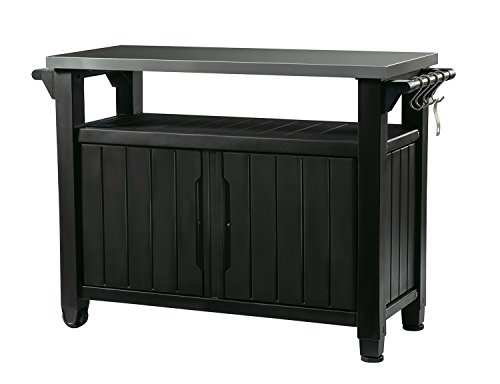
For those who enjoy extended trips or cook elaborate meals, investing in a portable camp kitchen can elevate the experience significantly. These all-in-one units combine a table, storage, and sometimes a sink or windbreak, making setup and teardown quick and easy.
Why You Need a Dedicated Cook Station
🧼 Hygiene & Safety
Separating cooking from sleeping and living areas reduces the risk of food contamination, attracts fewer animals, and keeps your campsite clean. A dedicated station also keeps hot stoves and boiling water away from tents and gear.
⚡ Efficiency & Organization
With everything in its place, you spend less time searching for utensils and more time enjoying your meal. A well-organized station streamlines prep, cooking, and cleanup, especially when cooking for groups.
💪 Comfort & Convenience
Cooking on the ground or a wobbly picnic table is uncomfortable and frustrating. A proper station provides a stable, ergonomic workspace that makes cooking outdoors as enjoyable as cooking at home.
🌧️ Weather Protection
Many cook stations include windbreaks or canopies to shield your stove from wind and rain. This extends your cooking capabilities in adverse conditions and improves fuel efficiency.
Core Components of an Outdoor Cook Station
Every outdoor cook station is built from a few essential components. Depending on your camping style, you may choose a minimalist setup or a full-featured kitchen. Below are the key elements to consider.
🔥 Camping Stove
The heart of your cook station. Choose based on your cooking needs and group size.
- Entry-level: Single-burner butane or propane stoves — lightweight, affordable, ideal for solo campers or simple meals.
- Mid-range: Two-burner propane stoves — better heat control, supports larger pots, great for families or groups.
- Premium: Multi-burner or high-output stoves with wind protection and precision controls — for serious camp chefs.
Explore our guide to the best camping stoves for detailed recommendations. For backpackers, an ultralight backpacking stove is a better fit.
🪑 Camp Kitchen Table
A stable, heat-resistant surface for your stove, prep, and serving. Look for adjustable legs for uneven ground and a durable, easy-to-clean surface.
- Entry-level: Basic folding aluminum tables — lightweight, compact, and affordable.
- Mid-range: Tables with adjustable legs, side tables, and storage pockets — more stable and versatile.
- Premium: Purpose-built camp kitchen tables with integrated sinks, windscreens, and shelving — the ultimate setup.
A good camping kitchen table is the foundation of your station. For smaller setups, an aluminum folding table works well. If space is tight, consider a small camp table.
🍳 Cookware & Utensils
Everything you need to prepare and serve meals. Choose nesting or collapsible designs to save space.
- Essentials: Pots, pans, a lid or two, a spatula, spoon, knife, cutting board, and a can opener.
- Convenience: A camping coffee pot or camp coffee maker for morning brews.
- Organization: A utensil roll or hanging organizer keeps tools accessible and tidy.
Consider a camping utensil set or a camping cookware set designed for outdoor use.
💧 Water & Sink
A reliable water source and a way to wash dishes and hands are essential for hygiene.
- Water storage: A camping water container or collapsible water jug with a spigot.
- Washing: A collapsible camping sink is lightweight and packable.
- Shower: For extended trips, a portable outdoor shower can double as a dishwashing station.
📦 Storage & Organization
Keep your station tidy and your gear protected. Use bins, bags, and organizers to group items by task.
- Dry goods: Stackable bins or a camping duffel bag for pantry items.
- Utensils: A hanging organizer or a dedicated utensil roll.
- Cooler: A camping cooler for perishables and drinks.
💡 Lighting & Extras
Good lighting and a few extras make evening cooking safer and more enjoyable.
- Lighting: A camping lantern or LED camping lights to illuminate your workspace.
- Wind protection: A windscreen or a pop-up shelter for windy or rainy days.
- Comfort: A compact folding chair or camping stool for breaks.
Comparing Cook Station Setups by Tier
The table below compares typical outdoor cook station setups across different quality tiers. Use this as a guide to match your setup to your camping style and needs. Remember: higher tiers generally offer better durability, stability, and features, but may be heavier or more complex to set up.
| Component | Entry-Level | Mid-Range | Premium |
|---|---|---|---|
| Stove | Single-burner butane/propane | Two-burner propane with wind protection | Multi-burner high-output with precision controls |
| Table | Basic folding aluminum | Adjustable legs, side tables, storage pockets | Integrated sink, windscreen, shelving |
| Cookware | Basic nesting pots and pans | Non-stick, durable sets with lids | Multi-ply stainless or hard-anodized sets |
| Water/Sink | Collapsible water jug, basic basin | Water container with spigot, collapsible sink | Integrated sink with drain, water pump |
| Storage | Basic tote or duffel bag | Stackable bins, hanging organizer | Modular storage system, labeled compartments |
| Lighting | Basic lantern or flashlight | LED lantern with adjustable brightness | Rechargeable LED area light with remote |
| Best For | Solo campers, occasional trips | Families, regular weekend campers | Groups, extended trips, serious camp chefs |
How to Set Up Your Outdoor Cook Station
Setting up an efficient cook station is about more than just placing a table and stove. Follow these steps to create a functional, safe, and enjoyable outdoor kitchen.
1. Choose the Right Location
Set up your cook station at least 10 feet from your tent and sleeping area. Look for a flat, level surface away from overhanging branches and dry vegetation. If possible, position it downwind from your seating area to keep smoke and cooking odors away.
2. Establish a Work Triangle
Arrange your station with three zones: prep, cook, and clean. Keep your stove, prep surface, and water/sink within easy reach of each other. This minimizes movement and makes cooking more efficient.
3. Set Up Your Table and Stove
Place your camping kitchen table on level ground. If your table has adjustable legs, use them to stabilize it. Position your stove on the table, ensuring it's stable and away from the edge. If you're using a portable camp kitchen, unfold it according to the manufacturer's instructions.
4. Organize Your Storage
Use bins, bags, and organizers to group items by task. Keep frequently used utensils and ingredients within arm's reach. Store dry goods in sealed containers to protect them from moisture and wildlife. A hanging organizer is a great way to keep utensils accessible without cluttering your table.
5. Set Up Lighting
If you'll be cooking after dark, set up a camping lantern or LED camping lights to illuminate your workspace. Hang a lantern from a tree branch or use a stand. Avoid placing lights directly above your stove, as this can attract insects.
6. Prepare for Weather
If wind or rain is expected, set up a windscreen or a pop-up shelter to protect your stove and workspace. A tarp or canopy can provide additional protection. Never use a stove inside a tent or enclosed space due to the risk of carbon monoxide poisoning.
7. Practice Leave No Trace
Keep your cook station clean and pack out all trash and food scraps. Store food in sealed containers or a camping cooler to avoid attracting wildlife. Follow local regulations for campfires and food storage. Learn more in our Leave No Trace guide.
8. Make It Comfortable
A comfortable cook station is a joy to use. Add a compact folding chair or camping stool so you can sit while prepping or cooking. A small rug or mat in front of your station can also add comfort and keep your feet clean.
Pros and Cons of Different Cook Station Approaches
Minimalist Setup (Table + Stove)
- Lightweight and easy to pack
- Quick to set up and tear down
- Affordable for beginners
- Less organization and storage
- No built-in wind protection
- May require more trips to the car
Full Portable Camp Kitchen
- All-in-one convenience
- Integrated storage and organization
- Often includes windbreaks and sinks
- Heavier and bulkier to transport
- Higher upfront investment
- Takes longer to set up and pack
Modular DIY Setup
- Customizable to your needs
- Can mix and match components
- Often more affordable than all-in-one
- Requires more planning and research
- May not pack as compactly
- Setup time varies by components
Advanced Tips for Your Outdoor Cook Station
Use a Windscreen
A windscreen is one of the most underrated accessories for outdoor cooking. It improves fuel efficiency, provides consistent heat, and keeps your flame from blowing out. Many camp stoves come with built-in windscreens, but you can also use a foldable aluminum windscreen for additional protection.
Pre-Prep Ingredients at Home
Chop vegetables, marinate meat, and portion out dry ingredients before your trip. Store them in reusable containers or bags. This saves time at camp and reduces the amount of prep work you need to do outdoors.
Bring a Collapsible Sink
A collapsible camping sink is lightweight, packable, and perfect for washing dishes and hands. Fill it with water and a little biodegradable soap, wash, then rinse. Dispose of greywater according to local regulations.
Keep a Fire Extinguisher Handy
Safety first: always have a fire extinguisher or a bucket of water or sand nearby when cooking with a camp stove or open fire. Never leave your stove unattended while in use. Review our campfire safety rules for more tips.
Use a Camp Oven for Baking
If you enjoy baking at camp, a camp oven is a game-changer. It allows you to bake bread, biscuits, and even pizza over a campfire or camp stove. Look for a model that's compatible with your stove or fire setup.
Organize with a Hanging Organizer
A hanging organizer keeps utensils, spices, and small items off your table and within reach. Look for one with multiple pockets and a sturdy hanging loop. You can hang it from a tree branch, a tarp pole, or your pop-up shelter.
Frequently Asked Questions
An outdoor cook station is a dedicated setup at your campsite where you prepare, cook, and serve meals. It typically includes a camp stove, a stable table or counter, storage for utensils and ingredients, and often a sink or water source. A well-organized cook station keeps food prep efficient, hygienic, and enjoyable outdoors.
While not strictly necessary, a dedicated camp kitchen table makes cooking far more comfortable and organized. It provides a stable, heat-resistant surface for your stove, a separate area for food prep, and space for utensils and ingredients. Many campers use a folding aluminum table as a lightweight, durable solution.
Use a combination of storage solutions: a hanging organizer for utensils, stackable bins for dry goods, a collapsible sink for washing, and a dedicated bag or tote for your cookware. Group items by task (cooking, cleaning, prep) and keep frequently used tools within easy reach.
The best stove depends on your needs. For simple meals, a single-burner butane or propane stove is lightweight and affordable. For larger groups or more complex cooking, a two-burner propane stove offers better control and capacity. Backpackers may prefer an ultralight canister stove, while car campers often choose a sturdy two-burner model. Check our guide to the best camping stoves for detailed recommendations.
You can, but a dedicated camping table is generally better. Camping tables are designed to be lightweight, foldable, and weather-resistant. Many also have adjustable legs for uneven ground and heat-resistant surfaces. A standard folding table may work for light use, but a purpose-built camp kitchen table offers better stability and durability.
Use a windscreen around your stove to block wind and improve fuel efficiency. A pop-up shelter or a tarp can provide overhead protection from rain. Position your station in a sheltered area, such as near a windbreak of trees or a large rock. Always ensure proper ventilation when using a stove under any shelter.
Ready to Build Your Perfect Outdoor Cook Station?
Start with the essentials: a reliable stove, a sturdy table, and good organization. Then expand your setup as your skills and needs grow. Browse our recommended gear below to find the right components for your camp kitchen.
SHOP RECOMMENDED GEAR