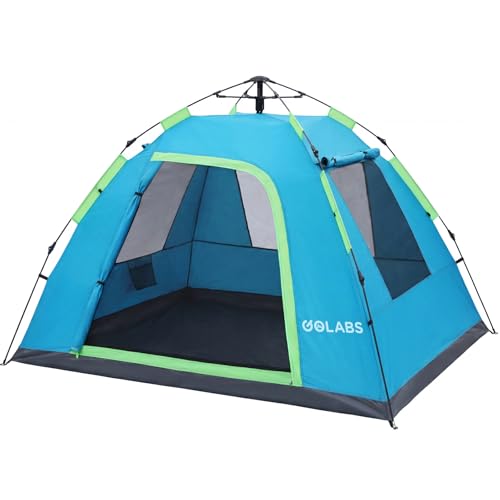
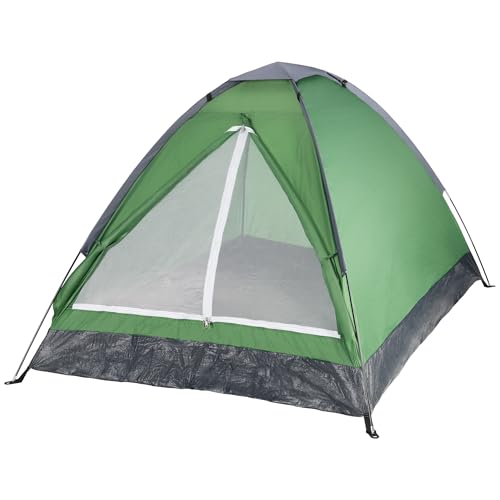
Pop Up Tent Tent: The Ultimate Guide to Instant Camping Shelters
Discover how a pop up tent tent can transform your camping experience with lightning-fast setup, portability, and reliable shelter for any adventure.
Explore Top PicksWhy Choose a Pop Up Tent Tent? If you've ever struggled with poles, stakes, and confusing instructions after a long drive to the campsite, a pop up tent tent is your solution. These instant shelters deploy in seconds, letting you focus on enjoying nature rather than fighting with gear.
What Is a Pop Up Tent Tent?
A pop up tent tent (also known as an instant tent or automatic tent) is a camping shelter designed with pre-assembled poles that snap into place with minimal effort. Unlike traditional tents that require threading poles through sleeves and connecting shock-corded segments, a pop-up tent uses a pre-built frame that unfolds or "pops" into shape. This design drastically reduces setup time, often from 10–15 minutes down to under 60 seconds.
These tents are particularly popular among car campers, festival-goers, and families who want convenience without sacrificing basic protection. If you're new to camping, you might also want to explore our guide on first time camping tips to complement your gear choices. For those who prefer a more traditional approach, compare options in our tent category to see the full spectrum of camping shelters available.
How Does a Pop Up Tent Tent Work?
The magic of a pop-up tent lies in its frame. Most models use fiberglass or steel poles that are pre-attached to the tent fabric. When you remove the tent from its carry bag, the frame is either:
- Spring-loaded: The poles unfold automatically when you release a strap or clip.
- Pre-bent: The poles are already in the correct shape and simply need to be locked into place.
- Hub-based: A central hub connects multiple poles, allowing the tent to expand uniformly when you pull the hub outward.
Once the tent is up, you typically secure it with stakes and guylines for stability. Packing it away involves reversing the process—folding the tent back into its original shape, which can take a few practice attempts. For tips on handling different conditions, see our articles on set up a tent in the rain and setting up a tent on the beach.
Key Benefits of Pop Up Tent Tents
Choosing a pop up tent tent offers several advantages that traditional tents simply can't match:
- Speed: Setup in under a minute means more time for hiking, fishing, or relaxing. This is especially valuable when you arrive at your campsite late or in bad weather.
- Ease of Use: No complex pole assemblies or instructions. Perfect for beginners, children, or anyone who wants a stress-free experience.
- Portability: Most pop-up tents fold into a compact carrying bag that fits easily in a car trunk. Some models are even small enough for backpacking, though they tend to be heavier than ultralight alternatives.
- Convenience: Ideal for spontaneous trips, festivals, beach days, or backyard camping. You can also use them as a quick shade shelter during picnics.
For those who enjoy a more comfortable camping experience, pairing a pop-up tent with a memory foam bed mattress topper or a sleeping pad camping mat can significantly improve sleep quality. If you're camping near your vehicle, consider bringing a fold chair for relaxation around the campsite.
Types of Pop Up Tent Tents
Pop-up tents come in various designs to suit different needs. Here's a breakdown of the most common types:
| Type | Best For | Key Features |
|---|---|---|
| Dome Pop-Up Tent | Solo campers, couples | Classic dome shape, lightweight, easy to carry |
| Cabin Pop-Up Tent | Families, groups | Vertical walls, more headroom, often multiple rooms |
| Beach Pop-Up Tent | Beachgoers, picnics | UV protection, lightweight, quick shade |
| Screen House Pop-Up | Bug-free lounging | Mesh walls, no floor, often used over picnic tables |
| Privacy Pop-Up Tent | Changing, showering | Tall, narrow, often used as a portable toilet or shower enclosure |
If you're specifically looking for a shelter for the beach, our guide on pop up tent for beach provides detailed recommendations. For those who need a tent that doubles as a canopy, explore pop up tent canopy options.
What to Look for in a Pop Up Tent Tent
Not all pop-up tents are created equal. When shopping, consider these factors:
- Capacity: Tents are rated by the number of people they can sleep. A 2-person tent is snug for two adults, while a 4-person tent offers more comfort. Check our guide on how to choose tent size for detailed advice.
- Weather Resistance: Look for tents with a waterproof rating (measured in mm). A rating of 2000mm+ is suitable for moderate rain. Also check for taped seams and a rainfly. For winter or extreme conditions, consider a winter tent instead.
- Material: Polyester and nylon are common. Polyester is more UV-resistant, while nylon is lighter and stronger. Our article on is nylon or polyester better for tents dives deeper.
- Ventilation: Mesh windows and roof vents prevent condensation. This is crucial for comfort, especially in humid climates.
- Pack Size and Weight: If you'll be carrying the tent any distance, weight matters. Pop-up tents are generally heavier than traditional backpacking tents, so consider how you'll transport it.
- Durability: Check the quality of the poles, zippers, and fabric. Entry-level models may use thinner materials, while premium models offer reinforced stress points and better hardware.
For those who want a tent that's easy to set up but still offers standing room, see our list of pop up tent you can stand up in. If you're comparing against traditional designs, our article on tent vs hammock might help you decide.
How to Set Up and Take Down a Pop Up Tent Tent
While pop-up tents are designed for speed, a little practice ensures a smooth experience.
Setup Steps:
- Choose a flat, clear area free of rocks and debris. If camping on a platform, follow our guide on setting up a tent on a platform.
- Remove the tent from its bag and unfold it. The frame will start to expand.
- Pull the hub or release the straps to allow the tent to pop into shape.
- Secure the tent with stakes at the corners. Add guylines if windy.
- Attach the rainfly if needed and adjust ventilation.
Take Down Steps:
- Remove stakes and guylines. Shake out debris.
- Collapse the tent by reversing the setup process—usually by pushing the hub or folding the poles.
- Fold the fabric neatly and secure it with the included straps.
- Place the tent back in its carry bag.
If you're camping in snowy conditions, check our guide on setting up a tent in the snow for additional tips. For rainy weather, camping in a tent in the rain offers valuable advice on keeping dry.
Maintenance and Care Tips
To extend the life of your pop up tent tent, follow these simple maintenance practices:
- Clean After Each Trip: Shake out dirt and debris. If needed, wipe with a damp cloth and mild soap. Avoid harsh chemicals.
- Dry Thoroughly: Never store a damp tent. Mildew can damage the fabric and cause odors. Set it up in a sunny area to dry completely.
- Check for Damage: Inspect poles, zippers, and seams regularly. Repair small tears with tent repair tape.
- Store Properly: Keep the tent in a cool, dry place. Avoid compressing it tightly for long periods, as this can damage the frame.
- Practice Folding: The more you practice, the easier it gets. Some manufacturers provide videos or instructions for folding specific models.
For those who camp frequently, learning about how long do tents last can help you plan for replacements. If you're considering a higher-end model, read are expensive tents worth it to make an informed decision.
Common Mistakes to Avoid
Even with a user-friendly pop-up tent, some campers run into issues. Avoid these pitfalls:
- Not Practicing at Home: Try setting up and taking down your tent in your backyard before your trip. This helps you identify any issues and speeds up the process at the campsite.
- Ignoring Weather Forecasts: Pop-up tents are convenient but may not handle extreme conditions. Check our guide on camping weather alerts to stay informed.
- Forgetting Stakes: Even on a calm day, stakes prevent your tent from blowing away. Always stake down at least the corners.
- Overpacking: Pop-up tents have limited interior space. Bring only essentials, and use a camping backpack to organize smaller items.
- Improper Storage: Storing a tent in a damp garage or shed can lead to mold. Keep it indoors in a dry area.
Pop Up Tent vs. Traditional Tent
How does a pop up tent tent compare to a standard camping tent?
| Feature | Pop Up Tent | Traditional Tent |
|---|---|---|
| Setup Time | Under 1 minute | 5–15 minutes |
| Ease of Use | Very easy | Moderate to difficult |
| Pack Size | Larger, bulkier | More compact |
| Weight | Heavier | Lighter (especially backpacking models) |
| Durability | Good for occasional use | Better for heavy use |
| Weather Resistance | Moderate | Can be excellent (4-season tents) |
| Best For | Car camping, festivals, beginners | Backpacking, extreme conditions, long trips |
For backpackers, an ultra lightweight backpacking tent is often a better choice due to its lower weight and pack size. However, for casual campers who prioritize convenience, a pop-up tent is hard to beat.
Frequently Asked Questions
Are pop up tents waterproof?
Most pop up tents come with a waterproof coating and taped seams, but their rain resistance varies. Entry-level models may handle light rain, while mid-range and premium models offer better protection. Always check the hydrostatic head rating and consider adding a seam sealer for extra protection.
Can I use a pop up tent for backpacking?
While possible, pop up tents are generally heavier and bulkier than dedicated backpacking tents. If you plan to hike long distances, an ultralight option is more suitable. However, for short backpacking trips where comfort is a priority, a lightweight pop-up tent could work.
How do I fold a pop up tent back up?
Folding a pop-up tent can be tricky at first. Most models come with instructions, and many manufacturers provide videos. The key is to reverse the popping motion—usually by pushing the hub or folding the poles in a specific sequence. Practice at home before your trip.
Are pop up tents good for winter camping?
Standard pop-up tents are not designed for winter conditions. They lack the insulation and structural strength needed for snow loads and high winds. For winter camping, a winter tent or hot tent is a better choice.
What is the best pop up tent for a family?
Families should look for cabin-style pop-up tents with multiple rooms and standing height. Models that sleep 6–8 people are ideal. Check our guide on 6 person tent you can stand up in for specific recommendations.
Final Thoughts
A pop up tent tent is a game-changer for campers who value convenience and speed. Whether you're a beginner, a festival enthusiast, or a family looking for a hassle-free shelter, these instant tents deliver reliable performance with minimal effort. Just remember to practice setup and take-down, choose a model that matches your needs, and care for it properly to extend its lifespan.
Ready to find the perfect pop-up tent? Explore our recommended products below, and don't forget to check our camping FAQ for more answers to common questions. Happy camping!