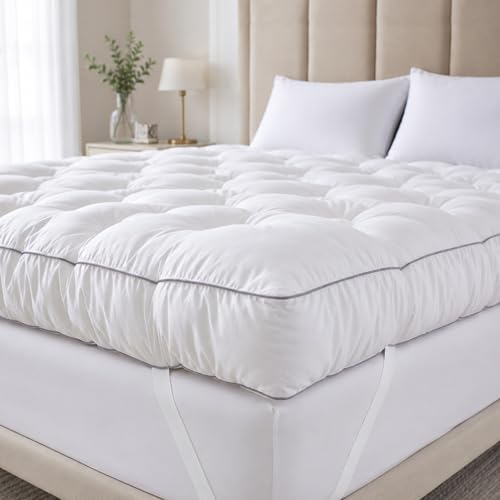
Memory Foam Bed Mattress Topper: The Ultimate Comfort Guide
Transform your bed into a sleep sanctuary. Learn how a memory foam topper can relieve pressure, improve alignment, and upgrade your rest without replacing your mattress.
START YOUR SLEEP UPGRADEWhy a Mattress Topper? A high-quality memory foam topper is one of the most cost-effective ways to improve sleep quality. It adds a layer of pressure-relieving comfort, extends the life of your current mattress, and can be tailored to your specific sleep style—all without the expense of a new bed.
What Is a Memory Foam Mattress Topper?
A memory foam bed mattress topper is a thick layer of viscoelastic polyurethane foam that sits on top of your existing mattress. Originally developed by NASA for aircraft seating, memory foam is temperature-sensitive: it softens in response to body heat and molds to your unique shape. This creates a personalized sleeping surface that distributes weight evenly, reduces pressure points, and minimizes motion transfer.
Unlike a mattress pad—which is thin and primarily protective—a topper is typically 2 to 4 inches thick and designed to significantly alter the feel of your bed. Whether your current mattress is too firm, too soft, or simply aging, a topper can be a game-changer. It is also an excellent solution for guest beds, RVs, and dorm rooms. For those who struggle with back discomfort, a mattress topper for bad backs can provide targeted relief, while side sleepers may benefit from a memory foam mattress topper for side sleepers that cushions the shoulders and hips.
Key Benefits of Memory Foam Toppers
🛌 Pressure Relief
Memory foam contours to your body, reducing pressure on joints and muscles. This is especially beneficial for side sleepers and those with chronic pain, as it helps maintain proper spinal alignment.
🌡️ Temperature Regulation
Modern toppers often include cooling gel infusions or breathable open-cell foam. A memory foam mattress topper with cooling gel can help dissipate heat, keeping you comfortable throughout the night.
💪 Motion Isolation
Memory foam absorbs movement, making it ideal for couples. You won't feel your partner toss and turn, which can lead to deeper, uninterrupted sleep for both of you.
💰 Cost-Effective Upgrade
Instead of buying a new mattress, a topper can rejuvenate your current bed for a fraction of the cost. It's a smart way to test a new sleep surface before committing to a full replacement.
🧓 Versatile Use
Toppers are perfect for guest rooms, college dorms, RVs, and campers. They can also be used on sofa beds and air mattresses to add a layer of comfort. If you use a blow-up bed with built-in pump for guests, adding a topper can make it feel like a real bed.
🧼 Easy Maintenance
Most toppers come with a removable, washable cover. This makes it easy to keep your sleep environment clean and allergen-free, which is especially important for allergy sufferers.
Types of Memory Foam Toppers
Not all memory foam toppers are created equal. Understanding the different types will help you choose the right one for your needs. Here's a breakdown of the most common options:
| Type | Best For | Key Features | Quality Tier |
|---|---|---|---|
| Traditional Memory Foam | Pressure relief, back pain | Classic viscoelastic foam, slow response, excellent contouring | Entry-Level |
| Gel-Infused Memory Foam | Hot sleepers, couples | Cooling gel beads or layers, improved airflow, reduced heat retention | Mid-Range |
| Open-Cell Memory Foam | Breathability, responsiveness | More porous structure, better airflow, faster rebound | Mid-Range |
| Graphite-Infused Memory Foam | Temperature control, durability | Graphite conducts heat away, adds firmness, antimicrobial properties | Premium |
| Copper-Infused Memory Foam | Anti-aging, cooling, hygiene | Copper fibers for heat dissipation, antimicrobial, enhances foam longevity | Premium |
| Plant-Based / Bio-Foam | Eco-conscious shoppers | Partially plant-derived, reduced off-gassing, sustainable | Luxury |
Pros and Cons of Memory Foam Toppers
✅ Advantages
- Excellent pressure point relief
- Customizable firmness and thickness
- Motion isolation for couples
- Extends mattress lifespan
- Affordable compared to a new mattress
- Easy to install and remove
- Available in cooling and eco-friendly options
❌ Considerations
- Traditional foam can sleep warm
- May have initial off-gassing odor
- Can be heavy and difficult to move
- Not ideal for those who prefer a very firm bed
- Some toppers may flatten over time
- Requires occasional fluffing or rotation
How to Choose the Right Memory Foam Topper
- Consider your sleep position. Side sleepers need a softer, thicker topper to cushion shoulders and hips. Back sleepers benefit from medium firmness for spinal support. Stomach sleepers should opt for a firmer, thinner topper to prevent sinkage. A mattress topper for side sleepers with hip pain can be a targeted solution.
- Evaluate your current mattress. If your mattress is too firm, a 3-4 inch topper will add plushness. If it's too soft, a 2-inch topper with a firmer foam density can add support without excessive sinkage.
- Check the foam density. Higher density foam (4-5 lbs per cubic foot) is more durable and supportive. Lower density foam (2-3 lbs) is softer but may wear out faster. For long-term use, aim for a mid-range or premium density.
- Think about temperature. If you sleep hot, look for gel-infused, graphite, or copper-infused toppers. These technologies help dissipate body heat and improve airflow. A cooling gel topper is a popular choice for warm sleepers.
- Look for a washable cover. A removable, machine-washable cover is essential for hygiene. It protects the foam from spills and allergens, and makes cleaning easy.
- Verify certifications. Look for CertiPUR-US certified foam, which means it's made without harmful chemicals and has low emissions. This is especially important for children and sensitive sleepers.
- Consider your bed size. Toppers are available in all standard sizes—twin, full, queen, and king. Make sure to measure your mattress before ordering. If you have an air mattress with built-in pump and headboard, you'll need a topper that fits its specific dimensions.
Who Should Use a Memory Foam Topper?
Memory foam toppers are incredibly versatile and can benefit a wide range of people. You might consider one if you:
😴 Struggle with Back Pain
Memory foam supports the natural curve of your spine, reducing strain on your lower back. A memory foam mattress topper for bad back is a targeted solution for chronic discomfort.
🦴 Have Hip or Shoulder Pain
Side sleepers often experience pressure on these areas. A topper cushions these joints, promoting better circulation and less tossing and turning.
🛏️ Have a Guest Room
Upgrade a spare bed or sofa bed instantly. A topper can make an old mattress feel new again, ensuring your guests get a good night's sleep.
🚐 Own an RV or Camper
RV mattresses are often thin and uncomfortable. A topper is a lightweight, space-saving way to add comfort to your home on wheels. It's a must-have for camping trips and road adventures.
👶 Have a Child or Teen
A topper can soften a firm mattress for growing bodies, providing comfort and support during developmental years. Look for CertiPUR-US certified foam for safety.
🏥 Recover from Injury or Surgery
Pressure relief is critical during recovery. A topper can help prevent bedsores and provide a more comfortable resting surface. In some cases, an air mattress for bedridden patients may be recommended, but a topper can also be beneficial.
Caring for Your Memory Foam Topper
To get the most out of your investment, follow these simple care tips:
- Rotate regularly. Rotate your topper head-to-foot every 2-3 months to ensure even wear and prevent body impressions.
- Air it out. Occasionally remove the topper from the bed and let it air out in a well-ventilated room for a few hours. This helps dissipate moisture and odors.
- Use a mattress protector. A waterproof mattress protector over your topper will guard against spills, sweat, and stains, extending its lifespan.
- Wash the cover. Follow the manufacturer's instructions for washing the removable cover. Most can be machine washed on a gentle cycle and air dried.
- Avoid direct sunlight. Prolonged sun exposure can degrade the foam and cause it to yellow or become brittle.
- Don't fold or bend. Memory foam can tear if folded sharply. When moving, carry it flat or roll it loosely.
Frequently Asked Questions
Thickness depends on your needs. A 2-inch topper adds mild comfort and is good for those who want a slight cushioning without changing the feel of their mattress too much. A 3-inch topper is the most popular choice, offering a balance of comfort and support. A 4-inch topper provides maximum plushness and is ideal for very firm mattresses or side sleepers who need extra pressure relief. Keep in mind that a thicker topper may require deep-pocket sheets.
Traditional memory foam can retain heat because it's dense and responds to body temperature. However, modern toppers often include cooling technologies such as gel infusions, graphite, copper, or open-cell foam structures. These designs improve airflow and dissipate heat, making them suitable for hot sleepers. If temperature is a concern, look for a cooling gel memory foam topper.
Yes, for many people, a memory foam topper can significantly reduce back pain. It conforms to your body's contours, providing support where you need it and relieving pressure on the spine. For targeted relief, look for a mattress topper designed for bad backs, which often features a firmer foam density or zoned support. However, if your back pain is severe or chronic, consult a healthcare professional.
The lifespan of a memory foam topper depends on its density and how well you care for it. A high-density topper (4-5 lbs) can last 3-5 years or more with proper maintenance. Lower-density toppers may need replacing every 1-2 years. Rotating the topper regularly, using a protector, and keeping it clean will help extend its life. If you notice sagging, flattening, or a loss of support, it's time to replace it.
Absolutely. Side sleepers need extra cushioning at the shoulders and hips to keep the spine aligned. A memory foam topper is excellent for this because it molds to the body's curves, relieving pressure points. A medium-firm topper that is 3-4 inches thick is often ideal. For more specific recommendations, see our guide to a memory foam mattress topper for side sleepers.
It depends on the thickness of your topper and your mattress. If your combined mattress and topper height exceeds 15 inches, standard sheets may not fit. Deep-pocket sheets are designed to accommodate mattresses up to 18-22 inches deep. Measure your bed setup before purchasing new sheets. Many topper manufacturers also sell fitted sheets specifically designed for their products.
Yes, a memory foam topper can significantly improve the comfort of an air mattress. Air mattresses often feel too firm or lack support, and a topper adds a layer of pressure-relieving foam. Just make sure the topper fits the dimensions of your air mattress. If you have a queen-size air mattress with built-in pump, choose a queen-size topper. A topper can also be a great addition to a double-high air mattress with built-in pump for extra height and comfort.
A mattress pad is a thin, quilted layer that sits on top of the mattress. Its primary purpose is to protect the mattress from stains and wear, and it adds minimal comfort. A mattress topper is much thicker (2-4 inches) and is designed to change the feel of the mattress, providing significant pressure relief, support, and comfort. If you're looking to improve sleep quality, a topper is the better choice.
Ready to Upgrade Your Sleep?
Explore our recommended memory foam mattress toppers below. We've curated top-rated options for every sleep style and budget.
VIEW RECOMMENDED TOPPERS