
Pop Up Tent Canopy: The Ultimate Instant Shelter Guide
Discover how a pop up tent canopy can transform your camping trips, backyard parties, and outdoor events with effortless setup and reliable protection.
EXPLORE CANOPIESWhy a Pop Up Tent Canopy? Unlike traditional tents that require complex pole assembly, a pop up tent canopy deploys in seconds. Whether you need shade at a campsite, a vendor booth at a market, or a quick shelter for a picnic, these instant canopies offer unmatched convenience. This guide will help you understand the key features, types, and considerations before you make a purchase.
What Exactly Is a Pop Up Tent Canopy?
A pop up tent canopy is a freestanding shelter with a pre-assembled frame that unfolds automatically when you pull it open. Often referred to as an "instant canopy" or "pop-up shelter," it typically consists of a powder-coated steel or aluminum frame, a fabric top (usually water-resistant), and sometimes optional sidewalls. The mechanism is simple: you lift the center, extend the legs, and lock them into place. This makes it ideal for beginners and anyone who values speed.
While many people use these canopies for tailgating and craft fairs, they have become increasingly popular among campers who want a quick shade solution. If you are planning a camping trip and want to learn more about different shelter options, you might also explore our guide on tents and inflatable tents for camping. For those who prefer a more permanent setup, a pop-up tent trailer camper could be a great alternative.
Key Benefits of Using a Pop Up Canopy
⚡ Instant Setup
The primary advantage is speed. Most models can be fully deployed by one person in under two minutes. This is particularly useful when you arrive at a campsite after dark or when sudden rain hits.
☀️ Versatile Protection
These canopies provide shade from harsh sun and shelter from light rain. Many mid-range and premium models offer UV-resistant fabric and waterproof coatings, making them suitable for various weather conditions.
📦 Portability
When folded, a pop up tent canopy fits into a compact carrying bag. This makes it easy to transport in a car trunk, RV, or even a large backpack for short distances.
🔧 Low Maintenance
With fewer moving parts than complex tents, these canopies are generally easy to maintain. Just wipe down the fabric and ensure the frame is dry before storing.
For campers who want to enhance their outdoor living space, combining a canopy with other gear like a fold chair or a folding chair with table can create a comfortable base camp. If you are camping near a beach, a pop up tent for beach might be more suitable for sand anchoring.
Types of Pop Up Tent Canopies: Entry-Level to Premium
Not all canopies are created equal. Understanding the different tiers helps you align your purchase with your frequency of use and expected conditions.
- Entry-Level: These are budget-friendly options ideal for occasional use, such as backyard parties or light camping. They often feature a basic steel frame and a single-layer canopy top. They are lightweight but may not withstand strong winds or heavy rain.
- Mid-Range: A step up in durability and features. Mid-tier canopies typically use thicker fabrics with better UV protection, reinforced joints, and sometimes include a wheeled carry bag. They are a good balance for regular campers and weekend vendors.
- Premium: Designed for frequent use and harsher conditions. These canopies often have aluminum frames (lighter and rust-resistant), heavy-duty waterproof fabric, and advanced ventilation. They may also include accessories like sidewalls, sandbags, and stakes.
- Luxury / Commercial-Grade: The top-tier canopies are built for professional use, such as event rentals or long-term outdoor installations. They feature commercial-grade materials, reinforced trusses, and often customizable branding options. They are heavier but offer superior stability and longevity.
When selecting a tier, consider how often you will use it. If you camp several times a year, a mid-range model is often the sweet spot. For those who want a more integrated camping experience, a pop-up camper on a trailer offers a different kind of instant shelter. If you are specifically looking for a canopy for your vehicle, a pop up tent for back of pickup truck or a tent for back of truck with camper shell might be more appropriate.
What to Look for in a Quality Pop Up Canopy
Before you buy, evaluate these critical factors to ensure you get a canopy that meets your needs:
Frame Material
Steel frames are heavier but more affordable; aluminum frames are lighter and resist rust, making them better for frequent transport. Look for powder-coated finishes for added durability.
Fabric Quality
Look for canopies made from 210D or higher denier polyester or nylon. A silver-coated or PU-coated interior improves UV and water resistance. Avoid single-layer, thin fabrics for anything beyond occasional use.
Setup Mechanism
Most pop up canopies use a central hub or a push-button leg system. Test the mechanism if possible; smoother operation indicates better build quality. Some premium models feature a "one-push" central lock.
Size and Height
Common sizes include 10x10, 10x20, and 12x12 feet. Consider the number of people you need to shelter and whether you need standing headroom. For camping, a 10x10 is often sufficient; for events, a 10x20 provides more coverage.
Weight and Portability
If you plan to move it frequently, prioritize a lighter model. Aluminum frames can save several pounds compared to steel. A wheeled carry bag is a valuable addition for larger sizes.
Accessories and Anchoring
Check if the canopy includes stakes, ropes, or sandbags. These are essential for stability in wind. Some models offer optional sidewalls, which are great for privacy or wind protection.
For campers who want to extend their outdoor living area, pairing a canopy with a camping chair or a foldable chair for camping creates a comfortable shaded zone. If you are setting up near a lake, a lake camping trip with a canopy can be a game-changer.
Common Uses for Pop Up Tent Canopies
These versatile shelters are not just for camping. Here are some popular applications:
- Camping: Provides shade over picnic tables or a cooking area. It can also serve as a rain shelter. For a more traditional camping shelter, see our guide on camping.
- Backyard Events: Perfect for birthday parties, barbecues, and family gatherings. You can even find 10 x 20 easy pop up canopy party tent options for larger crowds.
- Beach and Park: Offers sun protection for a day at the beach. A pop up beach tent sun shade shelter land and sea is a specialized version for sandy environments.
- Vendor and Craft Fairs: Many vendors use canopies to display goods. A 10x10 custom pop up canopy tent with your logo graphics can be a branded booth.
- Emergency Shelter: Useful for temporary shelter during power outages or outdoor repairs.
If you are planning a camping trip, you might also want to check our guide on camping sites to find locations where canopies are permitted. For those who enjoy RVing, a RV park might allow you to set up a canopy next to your rig.
Setup and Maintenance Tips for Longevity
To get the most out of your pop up tent canopy, follow these simple practices:
- Choose a level spot: Setting up on uneven ground can strain the frame. If camping, clear the area of sharp rocks or debris.
- Anchor properly: Always use stakes or sandbags, even on a calm day. Sudden gusts can lift a canopy. If you are camping in an area with soft ground, consider using a tent for bed of pickup as an alternative.
- Don't force the mechanism: If the canopy resists opening, check for tangled fabric or bent poles. Forcing it can break the joints.
- Clean and dry before storage: Dirt and moisture can degrade the fabric and cause mold. Wipe down with a mild soap solution and let it dry completely.
- Store in a cool, dry place: Avoid leaving it in a hot car for extended periods, as heat can damage the coating.
For those who camp in colder climates, a standard canopy may not be enough. You might need a pop up tent for cold and rainy weather or consider a winter camping setup with a hot tent. If you are camping in snow, learn how to setup tent on snow to ensure stability.
Safety Considerations When Using Canopies
While canopies are convenient, they are not immune to weather. Always check the forecast before setting up. In high winds, take down the canopy to prevent damage or injury. If you are camping in an area prone to wildfires, follow campfire safety rules and never place a canopy near an open flame. For general outdoor safety, review our guide on common camping injuries and wilderness first aid.
If you are using a canopy for a campsite, ensure it complies with national park rules or state park rules. Some parks have restrictions on temporary structures.
Frequently Asked Questions
Can I use a pop up tent canopy for camping?
Yes, absolutely. They are excellent for providing shade and rain protection over a picnic table or cooking area. However, they are not designed for sleeping or extreme weather. For sleeping, you'll need a proper tent or a pop up tent for camping 4 person waterproof tent.
How do I choose the right size?
Consider the number of people and the intended use. A 10x10 canopy is great for 4-6 people, while a 10x20 is better for larger groups or vendor booths. If you need standing room, look for models with adjustable height. For more tips on sizing, see our guide on how to choose tent size.
Are pop up canopies waterproof?
Most are water-resistant, but not fully waterproof. Entry-level models may leak in heavy rain. Mid-range and premium models often have taped seams and waterproof coatings. If you expect rain, consider a canopy with a rainfly or sidewalls.
Can I leave my canopy set up overnight?
It's not recommended. Wind can pick up at night, and animals may investigate. If you must leave it, ensure it is securely anchored and consider lowering it. For camping, it's safer to take it down or use a dedicated camping tent you can stand up in.
What is the best way to clean a pop up canopy?
Use a mild soap and water solution. Avoid harsh chemicals or abrasive brushes. Rinse thoroughly and air dry completely before storing. For more maintenance tips, see our camping FAQ.
Recommended Pop Up Tent Canopies
⚠️ AFFILIATE DISCLOSURE: This website contains affiliate links. As an Amazon Associate, we earn from qualifying purchases. If you make a purchase through these links, we may receive a small commission at no additional cost to you. Read our full affiliate policy.

Vinabilia 10x10 Pop Up Canopy Tent with One-Push Center Lock,White
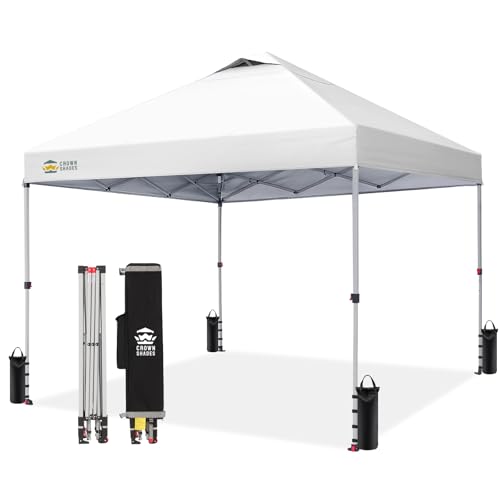
CROWN SHADES 10x10 Pop Up Canopy Tent with One Push Setup, Grid White
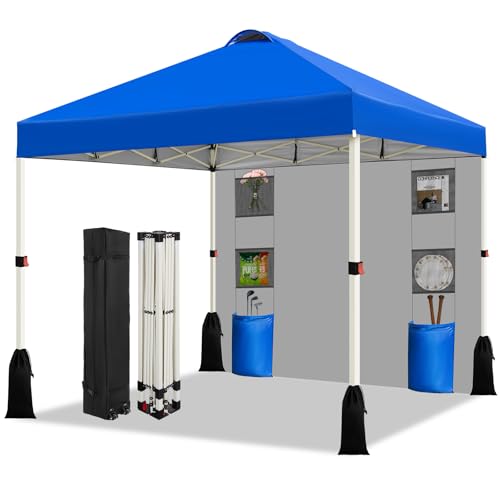
WEIZE 10x10 Pop Up Canopy Tent, 1-Button Push Setup Canopy Tent with 1 Sidewall, Adjustable Height Instant Portable Shelter,Portable Roller Bag, Easy Outdoor Sun Shade for Events,4 Weight Bags,Blue
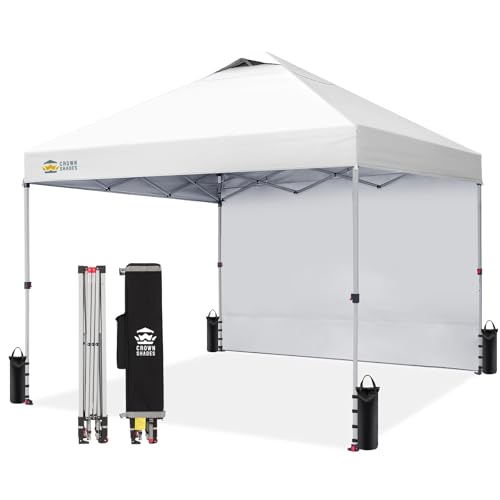
CROWN SHADES 10x10 Pop Up Canopy with 1 Side Wall, Beach Canopy Tent, White

Vinabilia 10x10 Pop Up Canopy Tent with One-Push Center Lock,Black

WEIZE 10x10 Slant Legs Pop Up Canopy Tent, 1-Button Push Setup Canopy Tent, Adjustable Height Instant Portable Shelter, Protable Backpack, Easy Outdoor Sun Shade for Events, 8x8 Top, White

Quictent 10x10 Pop Up Canopy Tent Without Sidewall
Disclaimer
Outdoor activities involve inherent risks. The information provided on CampLifeEssentials is for educational purposes only. We are not responsible for any injuries, losses, or damages resulting from the use of this information. Some content may use AI assistance. Always practice Leave No Trace principles and verify local regulations before camping. If you do not agree, please do not use this website. Read the full disclaimer.