Pop Up Canopy With Sides: The Ultimate Guide to Instant Shelter
Everything you need to know before buying a pop up canopy with sides for camping, tailgating, or backyard events. Compare features, materials, and top picks.
Why a Pop Up Canopy With Sides? A pop up canopy with sides transforms a simple shade structure into a fully enclosed shelter. Whether you're camping in unpredictable weather, setting up a vendor booth, or hosting a backyard party, sidewalls provide critical protection from wind, rain, sun, and privacy. This guide will help you understand the key features, materials, and considerations so you can choose the perfect canopy for your needs.
What Is a Pop Up Canopy With Sides?
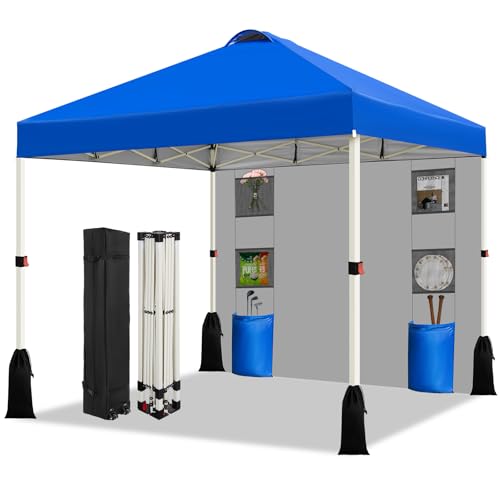
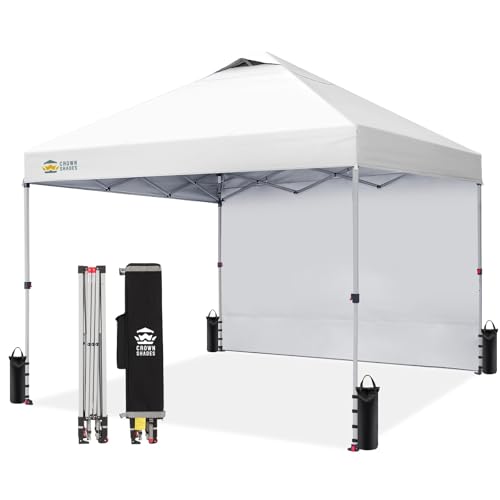
A pop up canopy with sides is a portable, freestanding shelter that features a pre-assembled frame and a fabric top, often accompanied by removable sidewalls. Unlike traditional tents that require complex pole assembly, pop up canopies use an accordion-style frame that expands and locks into place within minutes. The addition of sidewalls—which can be attached via velcro, zippers, or hooks—converts an open shade structure into a semi-enclosed or fully enclosed space.
These canopies are incredibly versatile. Campers use them to create a protected outdoor living area, shielding themselves from sun, rain, and wind. Event organizers rely on them for vendor booths, registration tents, and catering stations. Families set them up at sports games, picnics, and beach days for instant shade and privacy. The sidewalls are particularly valuable because they block low-angle sun, provide wind protection, and offer a degree of privacy that open canopies cannot.
When choosing a pop up canopy with sides, it's important to consider the frame material, canopy fabric, sidewall attachment method, and overall size. Most canopies come in standard sizes like 10x10, 10x20, and 12x12. The frame is typically made from steel or aluminum, with aluminum being lighter and more rust-resistant, while steel is generally more affordable and durable for stationary use.
For campers who want a comfortable outdoor living space, pairing a canopy with comfortable seating is essential. Consider foldable outdoor chair and table sets that are easy to transport and set up inside your canopy. If you're looking for a complete camping furniture solution, camping table with chairs combos offer excellent value. And for those who prioritize comfort, top-rated camp chairs provide the best support for lounging under your canopy.
Key Features to Consider Before Buying
Frame Material and Durability
The frame is the backbone of any pop up canopy. Steel frames are heavier but tend to be more rigid and stable, making them ideal for long-term setups or windy conditions. Aluminum frames are lighter and more portable, making them a better choice for campers who need to carry their canopy to remote locations. Look for frames with reinforced joints and a powder-coated finish to resist rust and corrosion. Entry-level canopies often use thinner steel, while mid-range and premium models feature thicker gauge materials and better welding.
When evaluating frame durability, consider the canopy's weight capacity and wind resistance rating. Many manufacturers provide guidelines for safe wind speeds, but as a general rule, any canopy should be taken down in high winds. For camping applications where you may need to move the canopy frequently, a lightweight aluminum frame paired with a durable fabric is often the best balance.
Canopy Fabric and Weather Resistance
The canopy top is typically made from polyester, polyethylene, or a blend. Polyester with a polyurethane or PVC coating offers excellent water resistance and UV protection. Look for canopies with a UPF rating of 50+ to ensure maximum sun protection. The fabric should also be treated to resist mold and mildew, especially important for camping where moisture is common. Premium canopies often feature ripstop fabric, which prevents tears from spreading.
Sidewalls are usually made from the same fabric as the top, though some models offer mesh sidewalls for ventilation while still blocking insects and sun. If you're camping in rainy conditions, solid sidewalls are preferable, but for hot weather, a combination of solid and mesh panels provides the best of both worlds. Check whether the sidewalls attach with velcro, zippers, or elastic loops—zippers offer the most secure fit, while velcro is easier to use but can wear out over time.
Size and Coverage Area
Pop up canopies come in a range of sizes. The most common is the 10x10 canopy, which provides 100 square feet of shade—enough for a small group or a vendor booth. Larger options include 10x20 and 12x12, which are better suited for family gatherings or larger camping groups. The height of the canopy is also important; most canopies offer adjustable legs that allow you to set the height from about 6 to 8 feet. Taller canopies provide more headroom but may be less stable in wind.
For camping, a 10x10 canopy with sides is often the sweet spot. It's large enough to cover a picnic table and a few chairs, yet small enough to be manageable for one or two people to set up. If you need more space, consider a 10x10 canopy tent with sidewalls which provides full enclosure. For larger groups or events, 10 x 20 pop up tent with sides offers double the coverage. And if you're looking for a heavy-duty option for frequent use, 10 x 10 canopy tent with sides is a popular choice among campers and vendors.
Setup and Portability
One of the main advantages of pop up canopies is their ease of setup. Most can be erected by one or two people in under five minutes. The frame unfolds like an accordion, and the fabric top is already attached. The legs are extended, and the canopy locks into place. Sidewalls are then attached as needed. When it's time to pack up, the process is reversed, and the canopy fits into a carry bag for transport.
Portability is measured by the canopy's packed size and weight. A typical 10x10 canopy weighs between 30 and 50 pounds, with aluminum models on the lighter end. The carry bag should have wheels for easier transport, especially if you're moving it across a campsite or parking lot. For camping trips where space is limited, a lighter canopy is always preferable, but don't sacrifice too much stability for weight savings.
Types of Pop Up Canopies With Sides
Camping Canopies
Camping canopies are designed for outdoor adventures. They prioritize portability, ease of setup, and weather resistance. Many camping canopies come with a carry bag and stakes for securing the legs to the ground. Sidewalls are often optional but highly recommended for privacy and weather protection. When camping, a canopy can serve as a dining area, a cooking shelter, or a gathering space. Pair your canopy with a camp kitchen in a box to create a fully functional outdoor cooking station.
For campers who want a more permanent shelter solution, a canopy with sides can be combined with a tent to create a larger living area. Some campers use a canopy as a porch or awning attached to their tent. If you're camping in hot weather, a canopy provides essential shade, and with mesh sidewalls, you can enjoy airflow without the bugs. For cold weather camping, solid sidewalls help retain heat. Consider pairing your canopy with a camping heater for tent or a battery-powered tent heater to extend your camping season.
Event and Vendor Canopies
Event canopies are built for frequent use and maximum durability. They often feature heavier frames and premium fabrics that resist fading and wear. Vendor canopies typically include sidewalls with windows or mesh panels for visibility and airflow. These canopies are designed to be set up and taken down repeatedly, so the frame mechanisms are more robust. If you're using a canopy for business purposes, consider a 10x10 custom pop up canopy tent with your logo graphics to promote your brand.
Event canopies often come with additional accessories like weight bags, sandbags, and tie-down straps. These are essential for securing the canopy in windy conditions. Some models also offer a 10 x 20 easy pop up canopy party tent which is ideal for larger gatherings. For a more compact option, a 12 x 12 pop up canopy tent offers a good balance of size and portability.
Backyard and Recreational Canopies
Backyard canopies are designed for occasional use and are often more affordable than event or camping canopies. They are perfect for picnics, parties, and relaxing in the shade. Many backyard canopies come with sidewalls that can be easily attached or removed depending on the weather. If you're looking for a canopy for your backyard, consider a shade pop up canopy which is designed for sun protection and easy setup. For beach trips, a pop up beach tent sun shade shelter land and sea is a great alternative that is lightweight and portable.
How to Choose the Right Pop Up Canopy With Sides
Determine Your Primary Use
The first step in choosing a canopy is to determine how you'll use it most. If you're a camper, prioritize portability and weather resistance. If you're a vendor, prioritize durability and ease of setup. If you're using it for backyard gatherings, prioritize size and aesthetic appeal. Your primary use will dictate the frame material, fabric type, and size that's best for you.
For camping, consider how you'll transport the canopy. If you're car camping, a heavier steel canopy is fine. If you're backpacking, you'll need an ultralight option, though true pop up canopies are generally too heavy for backpacking. For backpacking, consider a one person backpacking tent or a tents for two persons instead. If you're camping with a vehicle, a canopy is an excellent addition to your gear. Pair it with a pick up truck bed camper or a tent that attaches to suv for a complete camping setup.
Consider the Climate and Weather
If you camp in rainy conditions, prioritize canopies with fully taped seams and waterproof fabrics. Sidewalls should be solid and attach securely to prevent water from entering. If you camp in hot, sunny conditions, prioritize UV protection and ventilation. Mesh sidewalls are ideal for hot weather as they allow airflow while blocking the sun. If you camp in windy areas, look for canopies with reinforced frames and multiple tie-down points. Always use stakes and guy lines to secure your canopy, and never leave it up in high winds.
For winter camping, a canopy with solid sidewalls can provide a windbreak and help retain heat. Pair it with a diesel heater for camping or a camping heater for tent for a comfortable winter camping experience. For summer camping, consider a solar powered outdoor table lamp to light your canopy at night. And for camping in the rain, a tent with screened in porch offers similar protection to a canopy with sides.
Check the Sidewall Attachment System
The sidewall attachment system is a critical but often overlooked feature. Velcro is the most common and easiest to use, but it can lose its grip over time and may not provide a perfect seal. Zippers offer the most secure and weather-tight fit, but they can be more difficult to attach and may jam if not properly maintained. Elastic loops and hooks are a compromise—easier than zippers but more secure than velcro. Some canopies use a combination of systems, such as velcro for the main panels and zippers for the corners.
When choosing a canopy, consider how often you'll attach and remove the sidewalls. If you plan to use them frequently, a zipper system may be worth the extra effort. If you'll only use sidewalls occasionally, velcro is more convenient. Also, check whether the sidewalls are included or sold separately. Some canopies come with sidewalls as part of the package, while others require a separate purchase.
Setup and Maintenance Tips for Your Pop Up Canopy
Setting Up Your Canopy
Setting up a pop up canopy is straightforward, but following the correct procedure ensures safety and longevity. Start by selecting a flat, clear area free of rocks and debris. Remove the canopy from its carry bag and place it upright with the legs on the ground. With one person on each side, pull the frame apart until it clicks into place. Do not force the frame; if it doesn't expand easily, check that the fabric isn't caught in the mechanism. Once the frame is open, extend the legs to the desired height and lock them. Finally, attach the sidewalls if needed and secure the canopy with stakes or weights.
For a more detailed guide on setting up tents and canopies in different conditions, see our articles on set up a tent in the rain and setting up a tent on the beach. These guides provide valuable tips that apply to canopies as well.
Maintaining Your Canopy
Proper maintenance extends the life of your canopy. After each use, clean the fabric with mild soap and water, and allow it to dry completely before storing. Never store a wet canopy, as this can lead to mold and mildew. Check the frame for signs of rust or damage, and lubricate the moving parts with a silicone spray if needed. Store the canopy in a cool, dry place away from direct sunlight. If you notice any tears in the fabric, repair them promptly with a patch kit to prevent them from spreading.
For camping trips, consider bringing a repair kit that includes fabric patches, a multi-tool, and extra stakes. A first aid for camping kit is also essential for any outdoor adventure. And if you're camping in an area with wildlife, follow proper food storage rules to keep animals away from your canopy and campsite.
Top Pop Up Canopy With Sides Recommendations
When selecting a pop up canopy with sides, consider the following tiers based on quality and intended use. Entry-level canopies are suitable for occasional backyard use, mid-range canopies offer better durability for regular camping and events, and premium canopies are designed for professional use and harsh conditions.
For campers who want a reliable, mid-range option, a 10 x 10 canopy tent with sides is a versatile choice that balances portability and durability. If you need more space, a 10 x 20 pop up tent with sides provides double the coverage, making it ideal for family camping or group events. For those who prefer a classic pop up design, an ez pop up canopy 10x10 is easy to set up and transport. And for a more permanent shelter solution, a 10 x 10 canopy tent offers excellent value.
If you're looking for a canopy that can double as a camping shelter, consider a pop up tent you can stand up in which offers more headroom and enclosure than a standard canopy. For those who want a canopy with a more traditional tent feel, a tent with screened in porch provides similar functionality. And for the ultimate in convenience, a quick set up tent can be pitched in seconds, much like a pop up canopy.
Frequently Asked Questions
What is the difference between a pop up canopy and a tent?
A pop up canopy is an open-sided shelter with a fabric top, while a tent is a fully enclosed shelter with walls and a floor. Canopies are typically used for shade and event purposes, while tents are used for sleeping and camping. However, with the addition of sidewalls, a canopy can function similarly to a tent, though it usually lacks a floor and may not be as weather-tight.
Can I use a pop up canopy with sides for camping?
Yes, many campers use pop up canopies with sides for camping. They are excellent for creating a sheltered living area, cooking space, or dining area. However, they are not a substitute for a tent for sleeping, as they lack a floor and may not provide adequate protection in severe weather. For sleeping, pair your canopy with a top ten tents for camping or a tents for two persons.
How do I secure a pop up canopy in windy conditions?
Always use stakes to secure the legs to the ground, and use guy lines attached to the top of the frame for additional stability. Weight bags or sandbags placed on the legs can also help. Never use a canopy in high winds, as it can become airborne and cause damage or injury. If wind is expected, take the canopy down.
Are sidewalls included with all pop up canopies?
No, sidewalls are not always included. Some canopies come with sidewalls as part of the package, while others sell them separately. Check the product description carefully before purchasing. If sidewalls are not included, you can often buy them separately from the same manufacturer.
Can I use a pop up canopy on concrete or pavement?
Yes, but you'll need to use weights instead of stakes to secure the canopy. Weight bags filled with sand or water are ideal for this purpose. Some canopies also have holes in the feet that allow you to bolt them down, but this is not always practical for temporary setups.
How do I clean and store my pop up canopy?
Clean the fabric with mild soap and water, and allow it to dry completely before storing. Store the canopy in its carry bag in a cool, dry place. Avoid storing it in direct sunlight or in areas with extreme temperatures. Regularly inspect the frame for rust and the fabric for tears, and repair any damage promptly.
Conclusion
A pop up canopy with sides is one of the most versatile pieces of outdoor gear you can own. Whether you're camping, hosting an event, or simply relaxing in your backyard, a canopy provides instant shade, weather protection, and privacy. By understanding the key features, materials, and setup considerations, you can choose the perfect canopy for your needs.
Remember to prioritize durability and weather resistance if you plan to use your canopy frequently. For occasional use, a more affordable option may suffice. Always secure your canopy properly, and never leave it up in high winds. With proper care and maintenance, your pop up canopy with sides will provide years of reliable service.
For more information on camping gear and outdoor tips, explore our other guides on top rated camping gear, camping gear for cooking, and camping in the rain. And before you head out on your next adventure, be sure to check our camping FAQ for answers to common questions.