Best Tents for Two Persons: A Complete Buying Guide
Choosing the right tent for two people is crucial for a comfortable and memorable outdoor experience. Whether you're a couple seeking a romantic getaway or two friends on a backpacking trip, the perfect tent makes all the difference. This guide breaks down everything you need to know: size, seasonality, weight, setup, and top features to look for. Let's find your ideal shelter.
What Makes a Great 2-Person Tent? It's not just about fitting two sleeping bags. The best tents balance floor space, peak height, vestibule area, and weight for your specific camping style. From ultralight backpacking tents to spacious car-camping cabins, the options are vast. Read on to discover the perfect match for your adventures.
1. Size & Capacity: The "Two-Person" Reality
Floor Area & Shape
A "2-person tent" typically offers 28–35 sq ft of floor space. For two, aim for at least 30 sq ft. Shapes like dome and cabin affect livability:
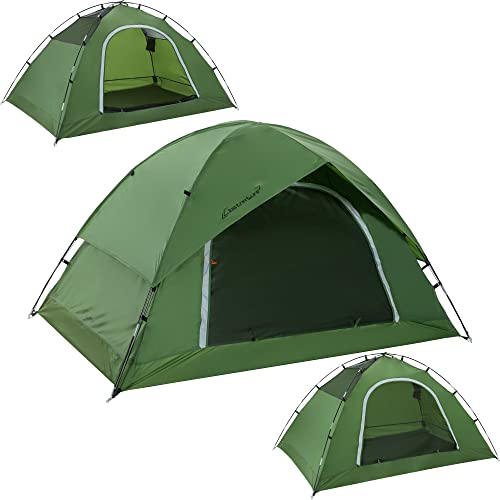
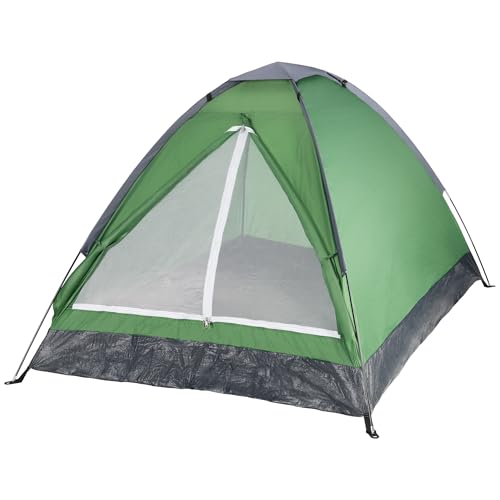
- Dome tents: Great for wind resistance, but walls slope inward, reducing usable space.
- Cabin tents: Near-vertical walls maximize interior room and headspace.
- Tunnel tents: Offer excellent space-to-weight ratio, ideal for trekking.
Consider how to choose the right tent size for your needs.
Peak Height & Sleeping Comfort
Interior height matters more than you think. A peak height of 40–48 inches allows most adults to sit up comfortably. For two people, a tent with two doors and two vestibules is a game-changer—no one climbs over the other to exit.
If you're camping in the rain, extra vestibule space for wet gear is essential.
2. Seasonality & Weather Protection
3-Season vs. 4-Season Tents
- 3-Season Tents: Ideal for spring, summer, and fall. They balance weight and ventilation, handling moderate rain and wind. Most 2-person tents are 3-season.
- 4-Season Tents: Built for winter and extreme conditions. They use stronger poles and fabrics to shed snow and withstand high winds. Heavier and often less ventilated.
For most campers, a 3-season tent is the versatile choice.
Rainfly & Waterproofing
A full-coverage rainfly is non-negotiable for two-person tents. It provides a dry vestibule and protects the inner tent from driving rain. Look for a hydrostatic head rating of 1500mm+ for the fly and floor.
Seam-sealed construction is a must. For wet-weather camping, consider a tent with a bathtub floor to prevent water ingress.
3. Weight & Portability (For Backpackers)
Backpacking vs. Car Camping
- Backpacking: Weight is critical. Aim for under 5 lbs (2.3 kg) for a 2-person tent. Ultralight options can be 2–3 lbs.
- Car Camping: Weight is less important. Prioritize space, headroom, and durability. Tents can weigh 8–15+ lbs.
Check out tent-backpack combinations for efficient packing.
Packed Size & Setup Ease
A compact packed size is a boon for backpackers. Look for tents with short pole segments (under 18 inches). For car camping, instant or pop-up tents offer quick setup, but may be bulkier.
For couples, easiest 2-person tent to set up can make the start of the trip stress-free.
4. Ventilation & Condensation Management
Importance of Airflow
With two people breathing and cooking, condensation can be a problem. Look for mesh panels on the inner tent and adjustable vents on the fly. Good airflow prevents moisture buildup and keeps you comfortable.
For humid or rainy conditions, a tent with a high-low venting system works best.
Double-Wall vs. Single-Wall
- Double-wall: Has a mesh inner and a separate rainfly. Better at managing condensation. Most common.
- Single-wall: Lightweight and fast to pitch, but more prone to condensation. Best for dry, cold climates.
If you're camping in the snow, a double-wall tent is recommended.
5. Features That Elevate the Experience
Doors, Vestibules, and Storage
- Two doors are a luxury for couples—no midnight climbing.
- Two vestibules provide separate storage for gear, packs, and muddy boots.
- Internal pockets and gear lofts keep small items organized.
For more storage ideas, see camping essentials check list.
Pole Systems & Durability
Aluminum poles are lighter and stronger than fiberglass. DAC poles are a premium choice. For car camping, steel poles offer durability but add weight. Look for ripstop nylon or polyester fabrics with a denier count of 68D or higher for longevity.
Learn more about how long do tents last to make a wise investment.
6. Recommended Tents for Two Persons
Best Overall: REI Co-op Half Dome SL 2+
Price: $329
With 34.7 sq ft of floor space, two large doors, and two vestibules, this tent is a favorite. The "plus" size adds extra room for two. It's a true 3-season tent.
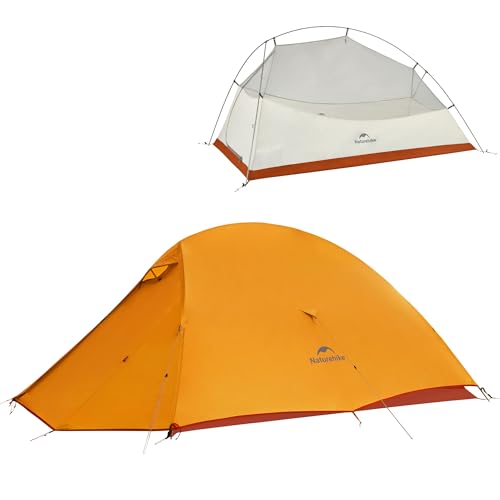
Best Ultralight: Big Agnes Copper Spur HV UL2
Price: $549
Weighing just 2 lbs 13 oz, this tent is a backpacker's dream. It features 29 sq ft of floor space, two doors, and two vestibules. A premium choice for weight-conscious adventurers.
Best Budget: Kelty Late Start 2
Price: $149
This affordable 2-person tent offers 30.5 sq ft of space, a simple dome design, and a full-coverage rainfly. Perfect for car camping or beginner backpacking.
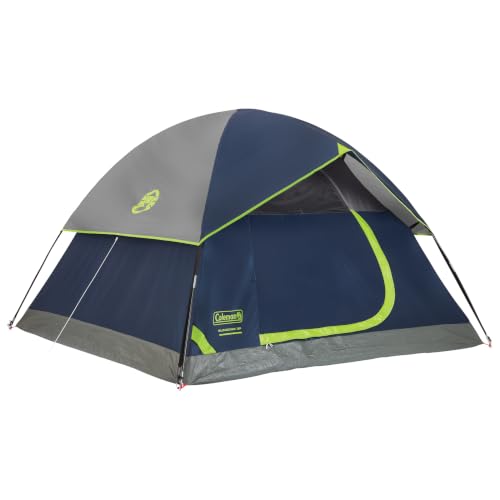
Best for Car Camping: Coleman Sundome 3
Price: $89
Though technically a 3-person tent, the Sundome 3 provides ample room for two. With a 9x7 ft floor and 4.5 ft peak height, it's a spacious, budget-friendly option.
✅ Pros of a Dedicated 2-Person Tent
- Intimate, cozy space for two.
- Lighter than larger family tents.
- Often designed with two doors for easy access.
- Better heat retention in cold weather.
❌ Cons to Consider
- Can feel cramped with gear inside.
- Less space for movement or changing clothes.
- Weight penalty if used for solo trips.
Final Verdict: The best tent for two persons balances size, weight, and features for your camping style. For backpackers, prioritize lightweight and compact designs. For car campers, comfort and space are king. Always check the floor dimensions and peak height to ensure you can sit up and sleep without feeling cramped. With the right choice, your tent will be a home away from home, not just a shelter.
Explore more camping tent options and find the perfect shelter for your next adventure.