Camping Gear for Cooking: The Ultimate Guide to Outdoor Kitchens
Transform your campsite into a functional outdoor kitchen. From selecting the right stove to mastering cookware and organization, this guide covers everything you need to cook delicious meals in nature.
The Camp Chef's Philosophy: A great outdoor meal starts long before you light the stove. It begins with choosing gear that matches your cooking style, packing it efficiently, and understanding how to adapt your kitchen to the wild.
The Core of Your Camp Kitchen: Choosing a Camping Stove
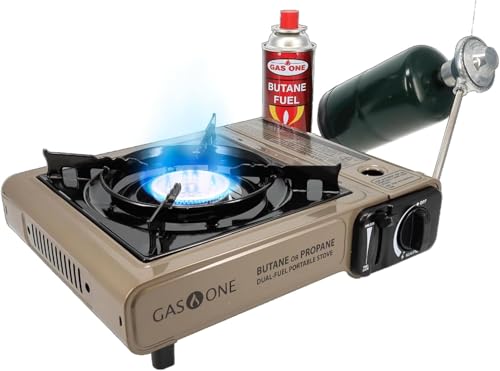
The stove is the heart of any camp cooking setup. Your choice depends on how you camp, what you cook, and how many people you're feeding. For solo backpackers and minimalists, a single-burner propane camp stove is lightweight, compact, and perfect for boiling water and simple meals. For families or groups who want to prepare more complex dishes, a 2-burner stove camping setup offers the space and power to simmer sauces and grill simultaneously.
If you prefer the flexibility of using different fuel types or want a stove that feels more like home, consider a portable gas stove with gas or a propane portable gas stove. These models often provide higher heat output and more consistent performance in windy conditions. For those who want a dedicated cooking station that doubles as a prep area, a camp kitchen in a box is an excellent all-in-one solution that keeps everything organized.
Cookware and Tools: What You Really Need
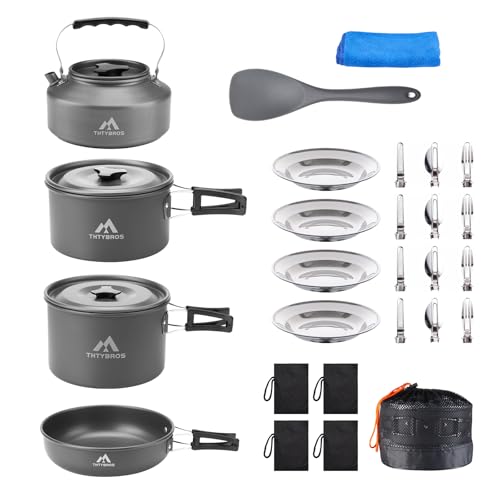
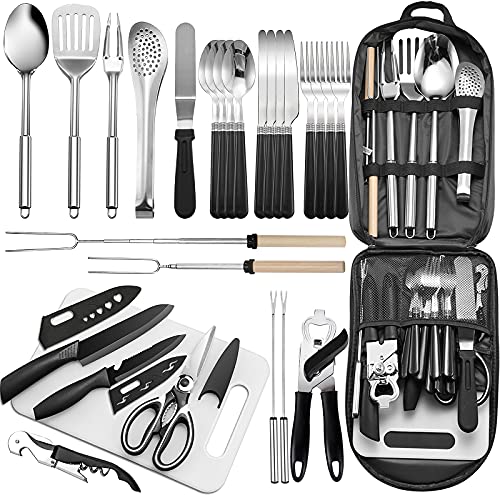
Camp cookware should be lightweight, durable, and versatile. A good nesting cookset typically includes pots, pans, and lids that stack together to save space. Look for models made from hard-anodized aluminum or stainless steel, as they distribute heat evenly and stand up to the rigors of outdoor use. Don't forget a sturdy spatula, a sharp knife, and a cutting board—these are the unsung heroes of camp cooking.
For coffee lovers, a pour-over cone or a French press designed for camping can make mornings infinitely better. And for those who enjoy a good steak or grilled vegetables, a portable BBQ grill for camping adds a whole new dimension to your outdoor menu. If you're planning to cook over an open fire, a cooking burner for camping can be used as a grate or a support for pots and pans.
Setting Up Your Camp Kitchen: Organization is Key
A well-organized camp kitchen makes cooking a joy rather than a chore. Start with a foldable outdoor chair and table to create a dedicated prep and dining area. A camping table with chairs provides a stable surface for your stove and utensils. If space is tight, a camping table with chairs can be a game-changer for small campsites.
Use a camp kitchen in a box or a dedicated tote to store your stove, fuel, cookware, and utensils. This keeps everything in one place and makes setup and cleanup faster. For longer trips, a portable fridge or a high-quality cooler ensures your ingredients stay fresh. And don't overlook the importance of a good camping gear for cooking checklist to avoid forgetting essential items.
Fuel and Power: Keeping Your Kitchen Running
Propane is the most common fuel for camp stoves, but you can also find models that run on butane, white gas, or even wood. If you're using electronic devices like a portable blender or a coffee grinder, a solar power generator for camping or a portable power station can keep your gadgets charged. For extended trips, a portable solar generator for camping offers a sustainable way to power your kitchen appliances.
Always store fuel safely and away from your sleeping area. Check local regulations for fire bans and restrictions before you go. A fire ban guide can help you understand when and where open fires are allowed. And always practice campfire safety rules to prevent accidents.
Cleaning and Maintenance: Leave No Trace
Cleaning up after a meal is part of the camping experience. Use biodegradable soap and a collapsible washbasin to minimize your impact on the environment. A camping water filter can help you conserve water and reduce waste. Always follow Leave No Trace principles by packing out all trash and food scraps.
After your trip, clean your stove, cookware, and utensils thoroughly. Check for wear and tear and replace any damaged parts. Proper maintenance ensures your gear lasts for many seasons of outdoor cooking.
Meal Planning and Inspiration for Camp Chefs
Planning your meals ahead of time saves space and reduces stress at the campsite. For healthy options, explore camping meal ideas healthy recipes that are easy to prepare. If you're short on time, easy camping lunch meals can be prepared in minutes. And for a fun twist, try food to cook over a fire on a stick—a classic camping activity that everyone loves.
Don't forget to pack a camping meal ideas healthy cookbook or save recipes on your phone. A little inspiration goes a long way when you're cooking in the great outdoors.
Safety First: Cooking Without Mishaps
Camp cooking involves open flames, hot surfaces, and sharp tools. Always keep a camping first aid kit nearby and know how to treat common camping injuries like burns and cuts. If you're cooking over a fire, follow campfire safety rules and know how to extinguish a campfire properly. In case of an emergency, have a way to call for help—a camping communication device or a satellite communicator can be a lifesaver.
Finally, always check the weather forecast before you go. A camping weather alert system can warn you of incoming storms. And if you're camping in bear country, follow food storage rules to keep your food—and yourself—safe.