Diesel Heater for Camping: The Ultimate Warmth Solution
Discover why diesel air heaters are becoming the go-to choice for campers who refuse to let cold weather end their adventures.
START EXPLORINGWhy Diesel Heaters Are a Game-Changer: Unlike traditional propane heaters that produce moisture and require ventilation, diesel air heaters provide dry, efficient heat that can keep your tent or camper warm for hours on a single tank. This guide will walk you through everything you need to know before making a purchase.
What Is a Diesel Air Heater and How Does It Work?
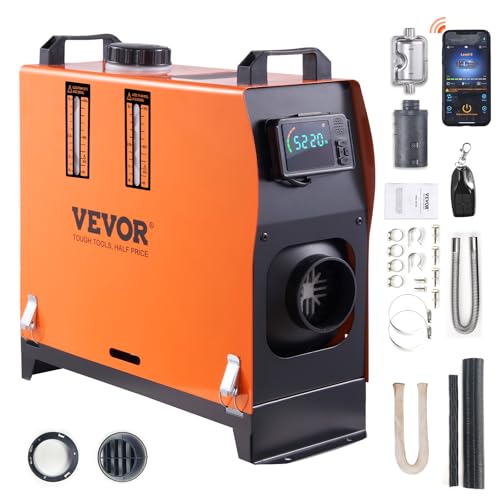
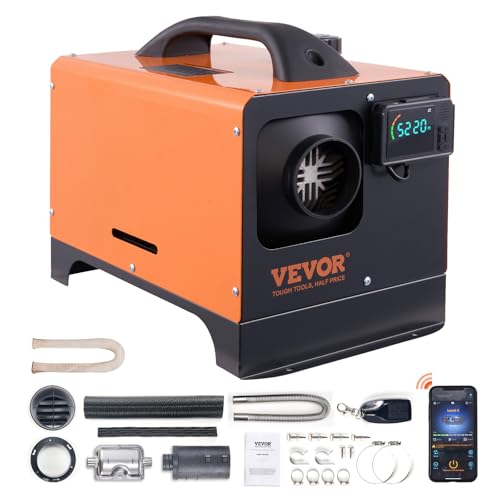
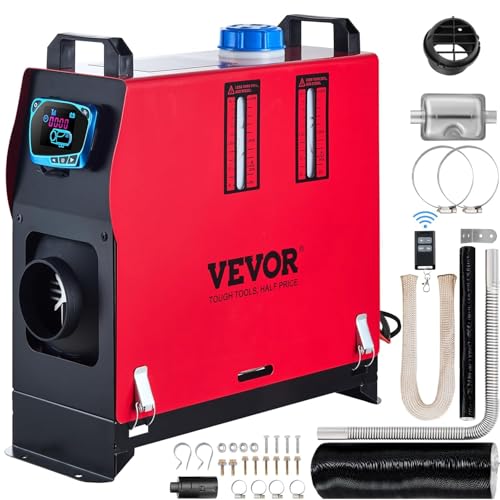
A diesel air heater is a compact, fuel-efficient heating system that burns diesel fuel to generate warm air. Originally designed for trucks, boats, and RVs, these heaters have become increasingly popular among campers who want reliable warmth without the bulk of traditional heating methods. The technology is simple yet remarkably effective: diesel fuel is drawn from a tank, ignited in a combustion chamber, and the resulting heat is transferred to the air through a heat exchanger. The exhaust gases are safely vented outside, meaning you get clean, dry heat inside your tent or camper.
For campers who venture out in winter camping conditions, a diesel heater can be the difference between a miserable night and a comfortable one. Unlike camping heater for tent options that rely on propane or electricity, diesel heaters offer superior fuel efficiency and can operate for many hours without refueling. If you're serious about extending your camping season, understanding how these devices work is the first step toward making an informed purchase.
Key Benefits of Using a Diesel Heater for Camping
When you're comparing heating options for your outdoor adventures, diesel heaters stand out for several compelling reasons. Here are the primary benefits that make them a favorite among experienced campers:
Exceptional Fuel Efficiency
Diesel heaters consume very little fuel relative to the heat they produce. A single tank can last through multiple nights, making them ideal for extended trips where refueling options are limited.
Dry, Consistent Heat
Unlike propane heaters that introduce moisture into the air, diesel heaters produce dry heat. This means no condensation buildup inside your tent, which helps prevent damp sleeping bags and clothing.
Safe Operation
Modern diesel heaters are designed with safety in mind. The combustion process is completely separated from the heated air, and exhaust gases are vented outside, eliminating the risk of carbon monoxide buildup inside your living space.
Quiet Performance
While not completely silent, diesel heaters operate at a noise level that won't disturb your sleep. Many models feature variable fan speeds, allowing you to find the perfect balance between warmth and quiet.
Versatile Installation
These heaters can be installed in tents, campervans, truck beds, and even ice fishing shacks. Their compact size makes them suitable for a wide range of camping setups.
Cost-Effective Long-Term
While the initial investment may be higher than some alternatives, the low fuel consumption and durability of diesel heaters make them a smart choice for frequent campers.
Types of Diesel Heaters: Choosing the Right One
Not all diesel heaters are created equal. Understanding the different types available will help you select the best option for your specific camping needs. The two main categories are all-in-one units and component-based systems. All-in-one diesel heaters are compact, self-contained units that include the fuel tank, combustion chamber, and heat exchanger in a single housing. These are ideal for campers who want a portable solution that can be easily moved between different setups. Component-based systems, on the other hand, allow you to mount the heater permanently in your vehicle or camper, with separate components for fuel storage and air distribution.
When selecting a diesel heater, consider the size of the space you need to heat. Smaller tents may only require a low-output unit, while larger tents or campervans will benefit from a higher-output model. The quality tier also matters: entry-level models are suitable for occasional use, while mid-range and premium options offer better build quality, more precise temperature control, and enhanced durability. For those who camp in extreme conditions, a top-tier diesel heater is a worthwhile investment that will provide reliable performance for years.
Installation and Setup: What You Need to Know
Installing a diesel heater in your camping setup requires careful planning and attention to safety. The most critical aspect is proper ventilation for the exhaust system. The exhaust pipe must be routed outside your tent or vehicle, away from any windows, doors, or vents where fumes could re-enter. This is non-negotiable for safe operation. If you're using a diesel heater in a tent, you'll need to create a port for the exhaust and intake pipes, which can be done with a specialized tent jack or by carefully modifying your tent's fabric.
Fuel storage is another important consideration. Diesel fuel should be stored in a secure, leak-proof container, and the fuel line should be protected from damage. For those who camp in snowy conditions, melting snow for water is a common practice, and a diesel heater can help keep you warm while you perform this task. Always follow the manufacturer's installation instructions and ensure all connections are secure before operating your heater. If you're new to hot tent camping, starting with a smaller, portable diesel heater is a great way to gain experience before committing to a permanent installation.
Essential Safety Guidelines for Diesel Heater Use
Safety should always be your top priority when using any heating device in an enclosed space. Diesel heaters are generally safe when installed and operated correctly, but neglecting safety protocols can lead to serious consequences. Here are the key safety guidelines every camper should follow:
⚠️ Critical Safety Rules
- Proper Ventilation: Always ensure the exhaust is vented outside and away from any living space. Never block or modify the exhaust system.
- Carbon Monoxide Detector: Install a battery-operated carbon monoxide detector in your tent or camper, even if your heater is properly vented. This is a small investment that can save lives.
- Fuel Handling: Store diesel fuel in approved containers and keep them away from the heater and any open flames. Refuel only when the heater is turned off and cool.
- Clearance: Maintain adequate clearance around the heater to prevent overheating and potential fire hazards. Check your manual for specific clearance requirements.
- Regular Maintenance: Clean or replace filters regularly, inspect fuel lines for leaks, and have your heater serviced annually if used frequently.
- Never Leave Unattended: While diesel heaters are designed for continuous operation, never leave a running heater completely unattended for extended periods.
In addition to these guidelines, it's wise to familiarize yourself with basic common camping injuries and have a well-stocked first aid for camping kit on hand. If you're camping in remote areas, consider carrying a camping communication device in case of emergencies. For a comprehensive emergency plan, review our guide on emergency preparedness camping.
Diesel Heaters vs. Other Camping Heating Options
To help you make an informed decision, here's a comparison of diesel heaters with other common camping heating solutions:
| Feature | Diesel Heater | Propane Heater | Electric Heater |
|---|---|---|---|
| Heat Output | High (adjustable) | Medium to High | Low to Medium |
| Moisture Production | None (dry heat) | High (adds humidity) | None |
| Fuel Efficiency | Excellent | Moderate | Depends on power source |
| Noise Level | Low to Moderate | Low | Very Low |
| Installation Complexity | Moderate (needs venting) | Simple | Simple (needs power) |
| Best For | Extended trips, cold weather | Quick warmth, well-ventilated areas | Small spaces with power access |
As you can see, diesel heaters excel in fuel efficiency and dry heat production, making them ideal for serious campers. However, if you're looking for a simpler, more portable solution for occasional use, a battery powered tent heater or a camping heater for tent might be more appropriate. For those who camp in extremely cold conditions, combining a diesel heater with a battery powered electric throw blanket can provide an extra layer of comfort.
Maintenance Tips for Long-Lasting Performance
To get the most out of your diesel heater, regular maintenance is essential. Start by checking the fuel filter regularly and replacing it as recommended by the manufacturer. A clogged filter can reduce efficiency and put strain on the heater's components. The combustion chamber should be inspected periodically for carbon buildup, which can occur over time, especially if you use lower-quality fuel. Cleaning the heat exchanger and fan blades will also help maintain optimal airflow and heating performance.
If you're storing your diesel heater for an extended period, drain the fuel tank and run the heater until it burns off any remaining fuel in the lines. This prevents fuel from gumming up the system. For those who camp in areas with extreme temperature fluctuations, such as during winter camping in Colorado or snow camping in Alaska, extra care should be taken to protect the heater from freezing when not in use. Always refer to your owner's manual for specific maintenance schedules and procedures.
Frequently Asked Questions About Diesel Heaters for Camping
The runtime depends on the size of the fuel tank and the heat setting. On a low setting, many portable diesel heaters can run for 10 to 20 hours on a single gallon of diesel. Higher settings will consume fuel more quickly. For extended trips, consider carrying a spare fuel container.
Yes, when installed and operated correctly. The key is proper ventilation of the exhaust system. All combustion gases must be routed outside the tent. Additionally, always use a carbon monoxide detector as a safety precaution, even with a properly vented system.
Absolutely. Diesel heaters are extremely popular in campervans and RVs. They can be permanently mounted with a through-wall exhaust system, providing consistent, efficient heat while you're on the road. Many van lifers consider a diesel heater an essential piece of equipment.
Standard diesel fuel (also known as petrodiesel) works well in most heaters. Some campers prefer to use kerosene, which burns cleaner and produces less odor, but it's important to check your manufacturer's recommendations first. In cold weather, use winter-blend diesel to prevent gelling.
Diesel heaters produce some noise from the fuel pump and the fan, but it's generally a low hum that most people find unobtrusive. Premium models often have quieter operation and variable fan speeds. If noise is a concern, look for models specifically designed for quiet operation.
Ready to Extend Your Camping Season?
A diesel heater is one of the best investments you can make for cold-weather camping. Browse our recommended models below and find the perfect heater for your setup.
VIEW RECOMMENDED DIESEL HEATERSFinal Thoughts: Is a Diesel Heater Right for You?
If you're tired of cutting your camping trips short when the temperature drops, a diesel heater is a worthy addition to your gear collection. These heaters offer a level of efficiency, safety, and comfort that's hard to match with other options. Whether you're a weekend warrior or a full-time van lifer, the right diesel heater can transform your cold-weather camping experience. For more tips on staying warm, check out our guides on how to stay warm in winter and winter camping gear. And if you're planning a trip to a snowy destination, don't miss our articles on winter camping in Yellowstone and the best winter camping spots in the US.