Camping Water Container Guide: Portable Water Storage for Every Adventure
Everything you need to know about choosing, using, and maintaining a camping water container. Stay hydrated and prepared on every outdoor trip.
START READINGWater is the single most important resource you'll bring on any camping trip. Without it, you can't cook, clean, or stay hydrated. Yet many campers overlook the humble water container until they're stuck with a leaky jug or a heavy, unwieldy option that ruins their packing strategy. This guide will walk you through everything you need to know about camping water containers — from capacity and material to portability and maintenance. By the end, you'll know exactly which type fits your camping style, whether you're car camping with the family, backpacking deep into the wilderness, or setting up a base camp for a week-long adventure.
Why a Reliable Water Container Matters
When you're miles from the nearest tap, your water container becomes your lifeline. A good container does more than hold liquid — it keeps water clean, prevents spills, and makes dispensing easy. A poor one leaks in your trunk, taints the taste of your water, or forces you to carry awkward, heavy loads. Understanding your options helps you avoid these frustrations and focus on enjoying the outdoors.
Beyond convenience, the right container supports safety. Dehydration and contaminated water are two of the most common health risks campers face. Proper storage protects against both. If you're new to camping, it's worth reviewing a first time camping tips guide alongside this article to build a complete picture of what you need. And if you're still assembling your kit, our camping essentials overview covers the broader gear list.
Types of Camping Water Containers
Not all water containers are created equal. The best choice depends on how you camp, how far you carry your gear, and how much water you need. Here are the main categories you'll encounter.
Collapsible Water Containers
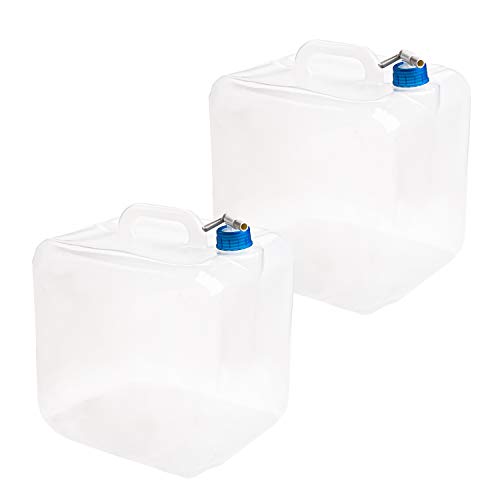
Made from flexible TPU or food-grade plastic, these pack down flat when empty. Ideal for backpackers and campers with limited space. Most hold between 2 and 5 gallons. They're lightweight and affordable, though they can be prone to pinhole leaks over time if not handled carefully.
Rigid Plastic Jugs
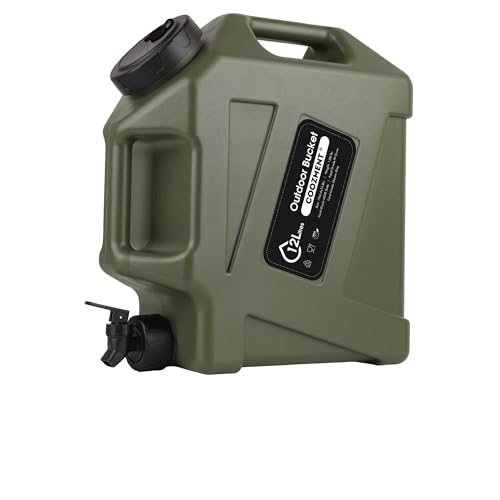
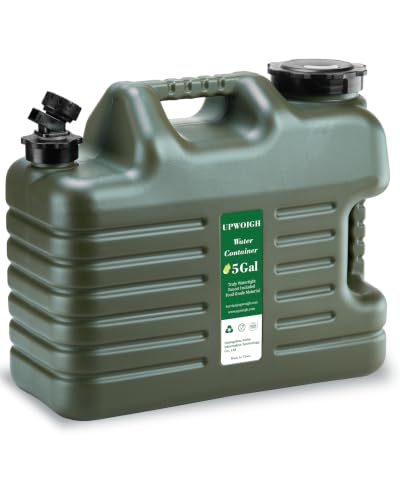
The classic camping water jug with a spigot and handle. Available in 1 to 7-gallon sizes. Durable, easy to clean, and stable on flat surfaces. They're heavier than collapsible options but far more robust for car camping and base camp setups.
Stainless Steel Containers
Heavy but virtually indestructible. Stainless steel doesn't retain odors or flavors, making it ideal for long-term storage. Most models are insulated, keeping water cool for hours. Best suited for car camping where weight isn't a concern.
Water Bags with Spigots
Soft-sided bags that hang from a tree or stand on a table. The spigot allows gravity-fed dispensing, which is great for handwashing and dish cleaning. They're compact when empty and easy to transport, though they require a hanging point or stable surface.
If you're also planning to filter water from natural sources, pair your container with a reliable camping water filter. That combination lets you refill from streams and lakes instead of hauling every drop from home. For backpackers, a hiking drinking bottle complements a larger base-camp container for quick hydration on the trail.
How Much Water Do You Need?
Capacity is the first decision you'll make. Too small, and you'll run out constantly. Too large, and you're hauling unnecessary weight. The general rule for camping is one gallon per person per day for drinking and basic hygiene. In hot weather, at high altitude, or during strenuous activity, increase that to two gallons per person per day.
Here's a quick breakdown by camping style:
| Camping Style | Recommended Capacity | Typical Container Type |
|---|---|---|
| Solo backpacking (1–2 nights) | 2–3 liters carried, refill from natural sources | Collapsible bladder or hard bottle |
| Car camping (weekend) | 5–7 gallons for 2–4 people | Rigid plastic jug with spigot |
| Family base camp (3–5 days) | 10–20 gallons total | Multiple jugs or a large water bag |
| Group camping (6+ people) | 20+ gallons, plus refill plan | Large water bag or multiple containers |
| Winter camping | 1–1.5 gallons per person per day | Insulated container to prevent freezing |
💡 Pro Tip: Always bring a backup collapsible container. It weighs almost nothing when empty and gives you flexibility if your primary container leaks or if you find a water source to refill from.
For winter trips, water storage requires extra planning. Check our winter camping gear guide for tips on preventing your water from freezing overnight. And if you're melting snow for water, our article on how to melt snow for water covers the safest methods.
Material Matters: Plastic vs. Stainless Steel vs. TPU
The material of your container affects weight, durability, taste, and how easy it is to clean. Here's how the main options compare.
✓ Plastic (HDPE / BPA-Free)
- Lightweight and affordable
- Available in many sizes and shapes
- Easy to find replacements
- Good for car camping and base camps
✗ Plastic Drawbacks
- Can retain odors over time
- May crack in extreme cold
- Not ideal for long-term storage
- Some models leach plastic taste
✓ Stainless Steel
- Extremely durable
- No flavor retention
- Insulated options keep water cold
- Easy to sanitize
✗ Stainless Steel Drawbacks
- Heavy compared to plastic
- Higher upfront investment
- Can dent if dropped
- Not collapsible
✓ TPU / Collapsible
- Packs down to almost nothing
- Very lightweight
- Great for backpacking
- Often BPA-free and food-grade
✗ TPU Drawbacks
- Less durable than rigid options
- Can develop leaks at seams
- Harder to clean thoroughly
- May impart taste if left full too long
For most car campers, a mid-range rigid plastic jug offers the best balance of durability, capacity, and ease of use. Backpackers should lean toward collapsible TPU bladders paired with a good backpacking pack that has dedicated hydration sleeves. If you're setting up a permanent base camp, stainless steel is worth the investment.
Key Features to Look For
Beyond material and capacity, several design features separate a frustrating container from a reliable one. Here's what to prioritize.
Spigot Design
A well-designed spigot controls flow without dripping. Look for models with a recessed or protected spigot so it doesn't snap off during transport. Some premium containers offer twist-valve spigots that are easier to operate with wet hands.
Opening Size
A wide mouth makes filling and cleaning easier. A narrow opening reduces spillage and contamination risk. The best containers balance both — a wide fill port plus a narrow dispensing spigot.
Handle & Grip
Full containers get heavy fast. Ergonomic handles, molded grips, or built-in carry straps make a huge difference. Test the handle placement — a poorly balanced jug is a strain to carry even short distances.
Ventilation
Some containers include a vent cap that allows air in as water flows out, preventing glugging and uneven flow. This small feature dramatically improves the dispensing experience.
Freezer-Safe Design
If you camp in hot climates, a freezer-safe container lets you freeze water before your trip. The ice melts slowly, keeping your water cold for hours. Not all containers are rated for freezing — check before you try it.
Stackability
For car campers with limited space, stackable containers maximize storage. Square or rectangular designs stack more efficiently than round jugs. This matters if you're packing a travel trailer gear setup.
How to Clean and Maintain Your Water Container
A dirty water container can make you sick. Even if you fill it with clean water, bacteria and mold can grow inside if you don't clean it properly. Follow these steps after every trip.
Routine cleaning: Wash the container with warm water and mild dish soap. Use a long-handled brush to scrub the inside, especially around the spigot and lid threads. Rinse thoroughly until no soap residue remains. Let it air dry completely before storing with the lid off.
Deep sanitizing: Once a season, or after storing water for more than a week, sanitize with a diluted bleach solution. Use one teaspoon of unscented household bleach per quart of water. Fill the container, let it sit for 30 minutes, then rinse thoroughly with clean water. Alternatively, use a food-grade sanitizer designed for water containers.
Storage tips: Never store water in a container long-term unless it's specifically designed for it. Empty and dry your container between trips. Store it with the lid off to prevent mold growth. Keep it out of direct sunlight, which can degrade plastic and promote bacterial growth.
💡 Pro Tip: If your container develops a persistent plastic taste, fill it with a solution of water and baking soda (one tablespoon per quart), let it sit overnight, then rinse. For stainless steel, a vinegar rinse works well.
Filling from Natural Sources
One of the biggest advantages of a good water container is the ability to refill from streams, lakes, and springs. This reduces the weight you carry and extends your trip. However, natural water sources require treatment.
Never drink untreated water from a natural source. Even crystal-clear mountain streams can contain bacteria, parasites, and viruses. Use a water filter, purification tablets, or boil the water before drinking. A gravity-fed filter system paired with a large water bag is an efficient setup for base camps — fill the bag, hang it, and let gravity do the work.
For backpackers, a squeeze filter or pump filter attached directly to your water container streamlines the process. Some containers are designed with threaded openings that accept popular filter models directly. If you're camping in winter, remember that natural water sources may be frozen — plan to melt snow instead, following our guide on how to melt snow for water.
Water Storage and Food Safety
Water safety doesn't exist in isolation. How you store and handle water affects your entire camp kitchen. Cross-contamination between raw food and water containers is a common mistake. Keep your water container separate from raw meat and unwashed produce. If you're using a container for both water and other liquids, clean it thoroughly between uses.
For camp cooking, having a dedicated water container for cleaning and another for drinking reduces contamination risk. A collapsible camping sink pairs well with a water jug for a complete camp wash station. And if you're filtering water, don't forget to clean your filter regularly — a clogged filter slows you down and can become a breeding ground for bacteria.
In bear country, proper food storage extends to water containers that have held flavored drinks or food. Bears can smell residue from miles away. Follow local food storage rules and store all scented items — including your water container if it's held anything other than plain water — in a bear canister or hung properly.
Leave No Trace and Water Containers
Camping responsibly means minimizing your impact. When filling from natural sources, don't contaminate the water with soap, food particles, or waste. Use biodegradable soap and disperse greywater at least 200 feet from water sources. Never dump water containing food scraps into a lake or stream.
Follow Leave No Trace principles on every trip. That includes packing out any trash, including broken container parts, and choosing reusable water containers over single-use plastic bottles. A quality camping water container isn't just convenient — it's an environmentally responsible choice that reduces plastic waste.
Ready to Choose Your Camping Water Container?
Now that you understand the options, explore our recommended products below. We've selected top-rated water containers for every camping style.
View Recommended Products →Frequently Asked Questions
Related Camping Guides
Explore more of our camping gear guides to build a complete, reliable outdoor kit:
- Water Filters Technology for Camping — Compare filter types and find the right one for your water container.
- Hiking Drinking Bottle Guide — Choose the best bottle for trail hydration.
- Collapsible Camping Sink — Complete your camp wash station.
- Camping Essentials Checklist — Make sure you have everything you need.
- Winter Camping Gear Guide — Keep your water from freezing in cold weather.
- Food Storage Rules — Protect your camp from wildlife.
- Leave No Trace Principles — Camp responsibly in every environment.
- Camping FAQ — Answers to common camping questions.