RV Camper Lights: The Complete Guide to Illuminating Your Rig
Transform your camper's ambiance, safety, and functionality with the right lighting. From cozy interior LEDs to rugged exterior fixtures, discover how to choose and install the best lights for your RV adventures.
Why Lighting is the Most Overlooked Upgrade for Your Camper: Your RV is more than a vehicle; it's your home on wheels. The right camper lights do more than just illuminate a space—they set the mood, enhance safety, and extend your adventures into the night. Whether you're boondocking under the stars or parked at a full-hookup resort, upgrading your RV lighting is one of the most impactful and cost-effective improvements you can make.
Understanding the Different Types of RV Camper Lights
Before you start shopping, it's important to understand the two main categories of camper lights and how they serve different purposes. Interior lights are designed for comfort and ambiance, while exterior lights focus on safety, security, and functionality.
Interior Camper Lights: Comfort & Ambiance
Interior lighting is all about creating a welcoming and functional living space. The days of harsh, single-bulb fixtures are long gone. Modern RVers can choose from a variety of options:
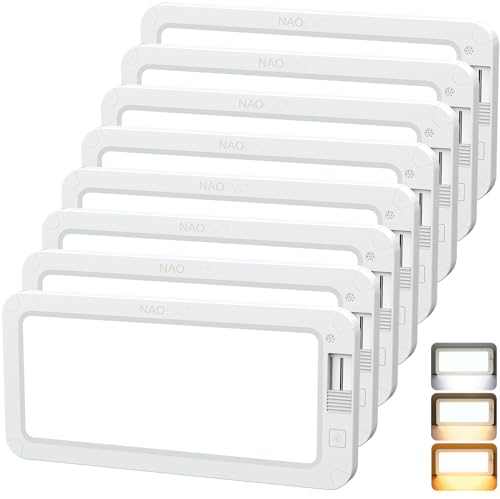
- LED Puck Lights: These are the most common upgrade. They are energy-efficient, run cool, and come in a range of color temperatures (warm white for cozy evenings, cool white for tasks). Many are dimmable, allowing you to adjust the mood from a bright morning to a relaxing evening.
- Strip Lights: Perfect for adding accent lighting under cabinets, along ceilings, or inside storage bays. They provide a modern, seamless look and can be cut to size. You can find 12-volt LED strip lights for RV exterior applications as well, which are great for awning areas.
- Reading Lights: Flexible, directional lights mounted near beds or seating areas. They allow one person to read without disturbing others. Look for models with a focused beam and a warm color temperature.
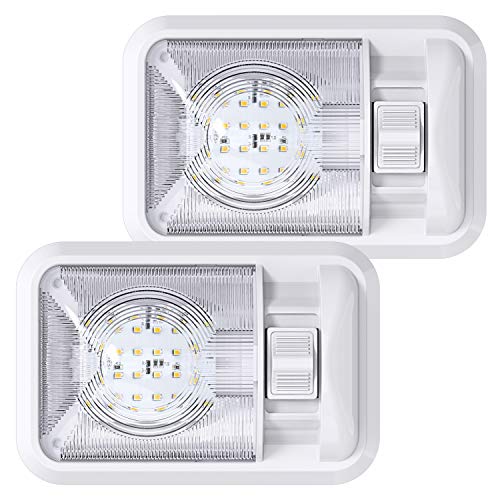
- Ceiling Fixtures: These provide general ambient light. When choosing, consider the size of your space and the lumen output. A mid-range fixture often offers a better diffuser, providing softer, more even light than a basic entry-level model.
Exterior Camper Lights: Safety, Security & Style
Exterior lighting is critical for safety, setting up camp after dark, and deterring unwanted visitors. It also adds a touch of style to your rig.
- Porch & Scare Lights: Mounted near the entry door, these bright lights illuminate your steps and immediate campsite area. Many are motion-activated for security.
- Awning Lights: These are typically LED strips mounted on the side of the RV or under the awning. They provide a broad, even light for outdoor living spaces, perfect for evening dinners or games.
- Tail Lights & Marker Lights: These are essential for road safety. Upgrading to brighter, more efficient LED tail lights can improve visibility and reduce the load on your tow vehicle's electrical system.
- Solar-Powered Options: For a truly off-grid experience, consider solar outdoor wall lights with sensor. They charge during the day and automatically illuminate your campsite at night, requiring no wiring or battery drain from your RV.
How to Choose the Right Camper Lights for Your Needs
With so many options, selecting the right lights can feel overwhelming. Here’s a simple framework to guide your decision, focusing on quality tiers rather than prices.
| Consideration | Entry-Level | Mid-Range | Premium |
|---|---|---|---|
| Build Quality | Basic plastic housing, may yellow over time. | Durable ABS or aluminum housing, better heat management. | Rugged, weather-resistant metal or high-impact polycarbonate. |
| Light Quality | Single color temperature, may flicker. | Dimmable, multiple color temperatures, even light distribution. | High CRI (Color Rendering Index), flicker-free, full-spectrum dimming. |
| Features | On/off switch only. | Dimmable, memory function, remote control. | Smart home integration, motion sensors, app control, RGB color changing. |
| Efficiency | Standard LED, average power draw. | High-efficiency LED, low power draw. | Ultra-efficient LED, minimal battery impact. |
| Best For | Basic replacement, budget-conscious upgrades. | Full-timers, frequent boondockers, those who value comfort. | Luxury RVs, tech enthusiasts, maximum performance and longevity. |
When planning your lighting upgrade, think about your power source. If you often camp without hookups, investing in camping power banks or a portable power station can ensure you have enough juice for all your devices. For a more integrated solution, a battery and solar panel kit can keep your RV's house batteries topped off, letting you run your lights without worry.
Installation Tips for RV Camper Lights
Installing new lights can be a rewarding DIY project. Here are some key tips to ensure a safe and successful installation:
- Disconnect Power: Always disconnect your RV's battery before working on any electrical system. Safety first!
- Plan Your Layout: Before drilling or cutting, map out where you want your lights. Use painter's tape to visualize the placement.
- Check Voltage: Most RV interior lights are 12-volt DC. Ensure your new fixtures match your RV's system. If you're unsure, consult a professional.
- Use Proper Wiring: Use automotive-grade wire and connectors. Solder and heat-shrink all connections for a durable, corrosion-resistant finish.
- Seal Exterior Penetrations: When installing exterior lights, use a high-quality silicone sealant around all screw holes and wire entries to prevent water intrusion.
- Consider a Switch: For exterior lights, consider installing a separate switch inside your RV so you can control them without going outside.
For those who are new to RVing, understanding the basics of setting up a camper for the first time is crucial before tackling electrical upgrades.
Maintenance and Troubleshooting Your Camper Lights
To ensure your lights last for years, a little maintenance goes a long way:
- Clean Regularly: Dust and grime can dull light output. Wipe down lenses with a soft, damp cloth.
- Check Connections: Periodically inspect wiring connections for corrosion or looseness. A little dielectric grease can prevent corrosion.
- Replace Fuses: If a light stops working, check the fuse panel first. A blown fuse is a common and easy fix.
- Upgrade to LED: If your RV still has incandescent bulbs, upgrading to LED is the single best thing you can do. They last longer, use less power, and run cooler.
Frequently Asked Questions About RV Camper Lights
Can I use regular household LED bulbs in my RV?
No, you should not. RV lights are typically 12-volt DC, while household bulbs are 120-volt AC. Using the wrong voltage can damage your RV's electrical system or cause a fire. Always use lights specifically designed for 12-volt RV systems.
How many lumens do I need for my camper interior?
For general ambient lighting, aim for 200-400 lumens per fixture. For task lighting (like reading), look for 400-600 lumens. Dimmable lights are ideal because they let you adjust the brightness to your needs.
Are solar-powered camper lights worth it?
Absolutely, especially for exterior lighting. They are self-contained, require no wiring, and don't drain your RV's battery. They are perfect for illuminating paths, flagpoles, or accenting your campsite. For more tech-savvy options, explore our guide to smart camping gear.
How do I know if my RV lights are LED or incandescent?
LEDs are typically smaller, have a plastic or metal base with multiple small diodes, and run cool to the touch. Incandescent bulbs have a glass bulb with a visible filament and get very hot. If you're unsure, check your RV's manual or consult an RV technician.
Final Thoughts: Light Up Your Adventures
Upgrading your RV camper lights is a simple yet transformative project. It enhances your comfort, improves safety, and allows you to enjoy your camper to its fullest potential, day or night. Whether you're looking for a cozy interior glow or a secure, well-lit exterior, the right lighting makes all the difference. For more ways to enhance your home on wheels, explore our guides on camping technology and best camping gadgets.