Portable Foldable Stool: The Ultimate Camping Comfort Guide
Discover how a compact, lightweight folding stool can transform your camping experience. Learn about types, features, and how to choose the perfect one for your needs.
VIEW RECOMMENDED STOOLSWhy a Portable Foldable Stool? A folding stool is one of the most versatile and underrated pieces of camping gear. It provides a comfortable place to sit around the campfire, at your campsite, or while fishing, yet packs down small enough to fit in a backpack or car trunk.
Why Every Camper Needs a Portable Foldable Stool
When you think about essential camping gear, your mind likely goes to tents, sleeping bags, and stoves. However, one of the most frequently overlooked items that can dramatically improve your outdoor comfort is a portable foldable stool. Unlike bulky camping chairs, a folding stool offers a unique blend of portability, functionality, and convenience that makes it an indispensable companion for any outdoor adventure.
Whether you are a minimalist backpacker counting every ounce, a family camper looking for extra seating, or a festival-goer who needs a quick place to rest, a compact folding stool delivers. Its ability to collapse into a small, lightweight package means you can bring comfortable seating almost anywhere—from a remote backcountry campsite to a crowded music festival. For those who enjoy cooking outdoors, having a stool to sit on while preparing meals at a portable camp kitchen can make the experience far more enjoyable.
In this comprehensive guide, we will explore everything you need to know about portable foldable stools. We will cover the different types available, the key features to look for, and how to choose the best one for your specific camping style. By the end, you will understand why this small piece of gear can make a big difference in your overall outdoor experience.
Types of Portable Foldable Stools
Not all folding stools are created equal. The market offers several distinct designs, each with its own set of advantages and ideal use cases. Understanding these differences is the first step toward making an informed purchase.
1. Telescoping Stools
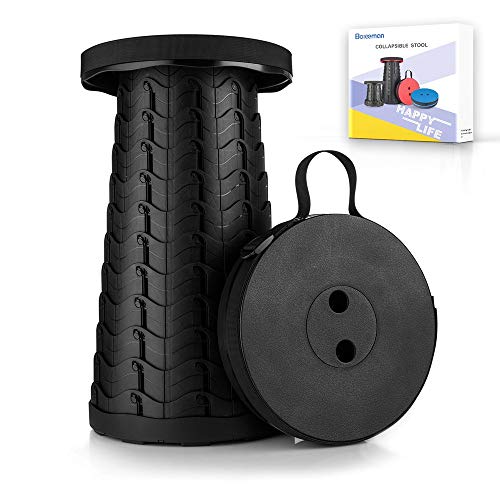
Telescoping stools, also known as folding telescopic stools, are a marvel of modern design. They feature a series of concentric circular segments that collapse down into a compact disc shape. When expanded, they form a sturdy, cylindrical seat. These stools are incredibly popular among backpackers and campers who prioritize space-saving gear. They are generally lightweight and can often support surprising amounts of weight for their size. However, they tend to be lower to the ground and may not be as comfortable for extended periods as a traditional chair. They are an excellent choice for those who need a seat that can literally fit in a small daypack.
2. Tripod Stools
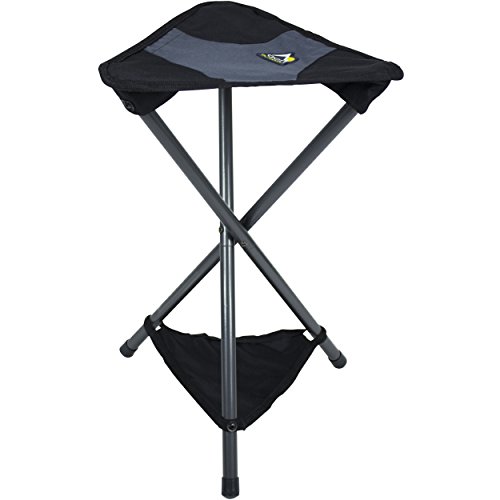
The classic tripod stool is a staple of camping and fishing gear. It consists of three legs joined at the top, with a triangular fabric seat stretched between them. These stools are simple, reliable, and often very budget-friendly. They are easy to set up and take down, and their three-legged design allows them to sit stably on uneven ground. Many tripod stools are lightweight and come with a carrying strap. They are ideal for quick rests, fishing trips, or as a secondary seat around the campfire. While they offer good stability, they may not be as comfortable as a stool with a backrest, and some users find the triangular seat shape less supportive than a round or square one.
3. Folding Camping Stools with Backrests
For campers who want the ultimate in comfort without the bulk of a full-size chair, a folding stool with a backrest is an excellent compromise. These stools typically feature a square or rectangular seat with a small, integrated backrest for lumbar support. They fold flat using a scissor-like mechanism or a series of hinged legs. While slightly heavier and bulkier than telescoping or tripod models, they offer significantly more comfort. They are perfect for car camping, picnics, and any situation where you will be sitting for longer periods. Many models include a cup holder or side pocket, adding to their convenience. When paired with a RV collapsible table, they can create a complete outdoor seating area.
4. Folding Stool with Side Table
This is a specialized type of folding stool that integrates a small side table into the design. The table is usually attached to one of the legs or the frame and can be folded out when needed. This is a fantastic option for campers who want a place to set their drink, phone, or a book without needing a separate table. It combines the portability of a stool with the functionality of a small table. These are particularly useful for fishing, where you might want a spot to rest your tackle, or for simply relaxing with a beverage. The added feature does increase the weight and complexity slightly, but the convenience is often worth it.
Key Features to Consider When Choosing a Folding Stool
With so many options on the market, focusing on a few key features will help you narrow down your choices and find the perfect stool for your needs.
Weight and Packed Size
This is arguably the most important factor for portable gear. If you are backpacking, every ounce counts. Look for a stool that is lightweight and packs down small. Telescoping stools often win here, but some tripod and folding models are also very compact. For car campers, weight is less critical, and you can prioritize comfort and features.
Weight Capacity
Always check the manufacturer's specified weight capacity. Stools can range from supporting a child to holding a large adult with gear. Choosing a stool with a higher capacity than you need often means more durable materials and a more stable feel. This is crucial for safety and longevity.
Seat Height
Stool heights vary. Lower stools (often telescoping or tripod) are great for lounging by the fire but can be hard to get up from. Higher stools (some folding models) are easier to sit on and get up from, making them better for activities like cooking or eating at a table.
Material and Durability
The frame is typically made from aluminum (lightweight) or steel (stronger but heavier). The seat is usually made from durable fabrics like Oxford cloth, canvas, or heavy-duty nylon. Look for reinforced stitching and quality hardware. A stool with a good warranty is often a sign of a well-made product.
Stability and Footing
The shape of the legs and the addition of feet or pads can greatly affect stability. Wide, flat feet prevent the stool from sinking into soft ground, while articulated feet can adapt to uneven terrain. A three-legged stool is inherently stable on uneven ground, while four-legged stools offer more support on flat surfaces.
Ease of Setup
Most folding stools are very easy to set up, but some are more intuitive than others. Telescoping stools simply pull apart, while tripod and folding stools require unfolding. Look for models with clear instructions and a design that prevents fingers from getting pinched.
Comparing Portable Foldable Stool Types
To help you visualize the differences, here is a comparison of the main types of folding stools based on common characteristics.
| Stool Type | Portability | Comfort | Stability on Uneven Ground | Best Use Case |
|---|---|---|---|---|
| Telescoping Stool | Excellent (packs to a small disc) | Basic (low, no backrest) | Good (circular base) | Backpacking, Festivals, Minimalist Camping |
| Tripod Stool | Very Good (lightweight, folds flat) | Basic (no backrest) | Excellent (three legs adapt) | Fishing, Quick Rests, Campfire Seating |
| Folding Stool with Backrest | Good (folds flat but larger) | High (lumbar support) | Good (four legs, flat feet) | Car Camping, Picnics, Extended Sitting |
| Stool with Side Table | Good (similar to backrest models) | High (backrest + table) | Good (four legs) | Relaxing, Fishing, Camping with Drinks |
Tips for Using Your Portable Foldable Stool
Pro Tip: Always test your stool at home before your trip. Ensure it opens and closes smoothly and feels stable. This will prevent any surprises when you are out in the wild.
- Respect Weight Limits: Never exceed the manufacturer's weight capacity. Overloading a stool can lead to sudden failure and injury.
- Use on Stable Ground: While many stools handle uneven ground well, always check that the legs are firmly planted before sitting down. Avoid using a stool on steep slopes or loose gravel if possible.
- Keep it Clean and Dry: After a trip, wipe down the frame and fabric with a damp cloth. Ensure it is completely dry before storing it to prevent rust and mildew. This is especially important if you camp in damp or coastal environments.
- Store Properly: Store your stool in a cool, dry place. If it came with a carrying bag, use it to protect the stool from dust and damage. Proper storage extends the life of your gear. For more tips on organizing your camping gear, see our guide on essential things to pack for camping.
- Consider a Mat: If you are using a stool with thin legs on soft ground, placing a small flat stone or a piece of wood under each leg can prevent it from sinking. This is a simple but effective trick for maintaining stability.
Frequently Asked Questions About Portable Foldable Stools
What is the weight limit for a typical portable folding stool?
Weight limits vary widely. Entry-level stools may support around 150-200 lbs, while heavy-duty models can support 300-400 lbs or more. Always check the specific product specifications before purchasing. If you are near the upper limit, consider a model with a higher capacity for safety and durability.
Are telescoping stools comfortable for long periods?
Telescoping stools are designed for portability and quick rests. They typically lack back support and are lower to the ground, which can be uncomfortable for extended sitting. For longer periods, a folding stool with a backrest is a better choice.
Can I use a folding stool on soft ground like sand or mud?
Yes, but with caution. Stools with wide, flat feet are better on soft ground as they distribute weight and prevent sinking. Tripod stools also work well as their legs can dig in slightly for stability. Avoid using thin-legged stools on very soft ground without something to distribute the weight.
How do I clean my folding stool?
Most folding stools can be cleaned with a damp cloth and mild soap. For fabric seats, check if they are removable and machine washable. Always dry thoroughly before storing to prevent mold and rust. For more detailed gear care tips, refer to our Camping FAQ.
Is a folding stool better than a camping chair?
It depends on your needs. A folding stool is lighter, more compact, and often more affordable. A camping chair offers more comfort, back support, and sometimes armrests and cup holders. Many campers bring both: a chair for lounging at the campsite and a stool for activities like fishing or cooking. For more on seating, see our guide to heavy-duty camping chairs.
Final Thoughts: The Small Gear That Makes a Big Difference
A portable foldable stool is a small investment that can significantly enhance your comfort and enjoyment during outdoor activities. Whether you are an ultralight backpacker, a casual car camper, or a festival enthusiast, there is a folding stool designed for your needs. By considering factors like weight, packed size, comfort, and stability, you can choose a stool that will serve you reliably for years.
Don't underestimate the value of a good seat. After a long day of hiking, setting up camp, or exploring, having a comfortable place to rest your legs is a true luxury. A folding stool provides that comfort without weighing you down. As you plan your next adventure, consider adding a portable foldable stool to your gear list. It might just become one of your favorite pieces of camping equipment.
For more information on preparing for your trips, explore our guides on first-time camping tips and Leave No Trace principles. Happy camping!