Propane Stove Top: The Complete Guide for Camping & Outdoor Cooking
Everything you need to know before choosing a propane stove top for your camp kitchen — from burner types and fuel efficiency to safety and setup. Make an informed decision for your next outdoor adventure.
Explore the GuideCampLifeEssentials Philosophy: A reliable propane stove top transforms your campsite into a functional outdoor kitchen. We help you understand the key differences between models so you can cook confidently in any environment.
Why a Propane Stove Top Belongs in Your Camping Gear
Whether you are a weekend car camper or a seasoned backcountry explorer, a propane stove top is one of the most versatile cooking appliances you can bring. Unlike open fires that depend on dry wood and favorable weather, a propane stove top delivers instant, controllable heat at the turn of a knob. This level of precision is invaluable when you need to boil water quickly, simmer a sauce, or prepare a hot meal after a long day on the trail.
Modern propane stove tops come in a wide range of designs — from compact single-burner units that fit in a backpack to sturdy two-burner models that mimic a home kitchen. Many campers pair their stove with a portable camp kitchen to create a dedicated cooking station that keeps pots, pans, and utensils organized. If you are still deciding between fuel types, our guide to the best camping stove options can help you compare propane against white gas and other alternatives.
In this guide, we will walk you through the different types of propane stove tops, the features that matter most, safety considerations, and how to choose the right model for your camping style. By the end, you will have a clear understanding of what to look for and be ready to make a purchase that fits your needs.
Types of Propane Stove Tops
Propane stove tops are not a one-size-fits-all product. The right choice depends on how you camp, how many people you cook for, and how much space you have. Here are the main categories to consider.
Single-Burner Stove Tops
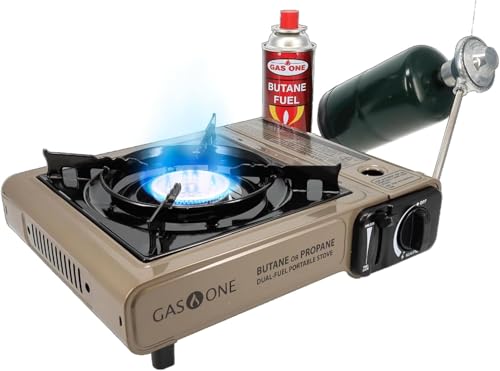
Ideal for solo campers, backpackers, and minimalist setups. These compact units are lightweight and often fold down to the size of a small book. They excel at boiling water and simple one-pot meals. Many entry-level and mid-range single-burner models are designed to screw directly onto a propane canister, while premium versions offer better wind resistance and simmer control.
Two-Burner Stove Tops
The most popular choice for car camping, family trips, and group outings. A two-burner stove lets you cook multiple dishes simultaneously, which is a huge time-saver at mealtime. These models typically run on a standard 1-pound propane cylinder or a larger refillable tank via an adapter hose. They offer a good balance of cooking power, stability, and portability.
Multi-Burner & Griddle Stove Tops
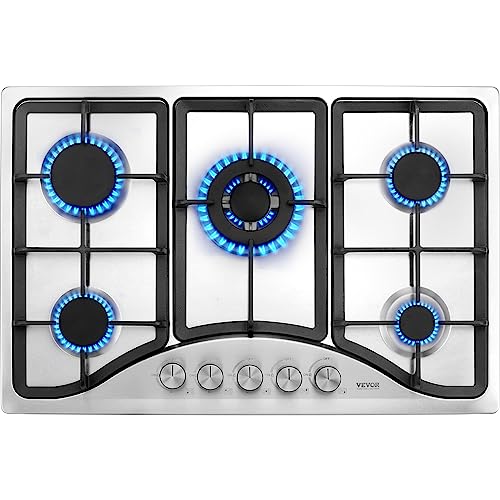
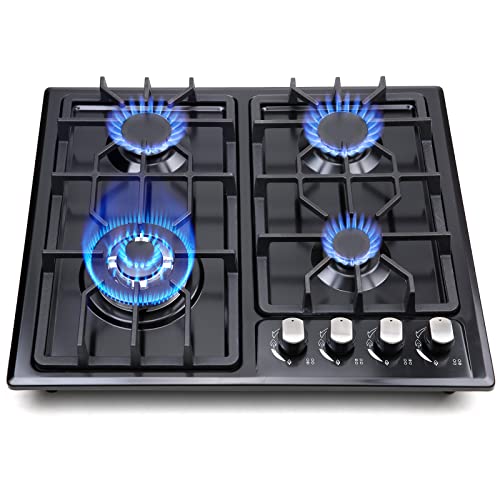
For serious outdoor cooks, high-end multi-burner stove tops can feature three or more burners, integrated griddles, and even built-in windscreens. These are heavier and better suited to base camps or RV setups where space and weight are less of a concern. They deliver the closest experience to cooking on a home range.
Backpacking & Ultralight Stove Tops
When every ounce counts, an ultralight backpacking stove is the way to go. These tiny propane-powered burners are designed for efficiency and minimal weight. They often sacrifice simmer control for raw boiling speed, making them perfect for freeze-dried meals and hot drinks.
Key Features to Evaluate Before You Buy
Not all propane stove tops are created equal. Understanding the following features will help you separate a good stove from a great one — and avoid buyer's remorse.
| Feature | Why It Matters | What to Look For |
|---|---|---|
| Burner Output (BTU) | Determines how quickly you can boil water and cook food. | Entry-level stoves often provide lower BTU; mid-range and premium models offer higher output with better control. |
| Simmer Control | Prevents sauces from burning and allows slow cooking. | Look for fine-tuned knobs; premium stoves excel at low-heat precision. |
| Wind Resistance | Wind steals heat and wastes fuel. | Integrated windscreens or recessed burners are a major plus. |
| Ignition System | Matches or lighters can fail in wet or windy conditions. | Push-button piezoelectric igniters add convenience and reliability. |
| Fuel Compatibility | Determines which propane canisters or tanks you can use. | Most stoves accept standard 1-lb cylinders; some work with larger tanks via adapters. |
| Build Quality & Materials | Affects durability and longevity. | Stainless steel and cast aluminum tend to last longer than thin stamped metal. |
| Portability & Weight | Critical for backpacking and minimalist camping. | Ultralight models weigh under a pound; car-camping stoves can be heavier. |
| Ease of Cleaning | Spilled food happens; easy cleanup keeps your stove hygienic. | Removable drip trays and non-stick surfaces are helpful. |
When comparing stoves, remember that price tiers often correlate with these features. An entry-level stove may lack a piezo igniter and fine simmer control, while a premium model will include both plus better wind protection. For a deeper dive into how propane compares to other fuel types, see our article on what makes a good camping stove.
Safety and Setup: Using Your Propane Stove Top Responsibly
Propane is a safe and convenient fuel when handled correctly. However, like any combustible gas, it requires respect. Follow these guidelines to ensure a safe cooking experience on every trip.
Check Connections Before Lighting
Inspect the hose, regulator, and stove connections for cracks or leaks before every use. A simple soapy water test can reveal slow leaks. Never use a stove that smells of propane or has a damaged hose. For more on fire safety, review our campfire safety rules — many of the same principles apply to stove use.
Use in Well-Ventilated Areas
Never operate a propane stove inside a tent, RV, or enclosed space. Carbon monoxide is invisible and odorless. Always cook outdoors or in a well-ventilated shelter. If you are camping in cold weather, consider a dedicated hot tent camping setup with proper ventilation.
Keep Flammables Away
Set up your stove on a stable, heat-resistant surface. Keep tents, sleeping bags, and clothing at a safe distance. Never leave a lit stove unattended, and always turn off the fuel at the cylinder when cooking is finished.
Store Cylinders Properly
Store propane cylinders upright in a cool, dry place away from direct sunlight. Do not store them inside your tent or vehicle. For emergency preparedness, including how to handle fuel safely, see our emergency preparedness camping guide.
Cooking Performance and Fuel Efficiency
Two stoves with similar BTU ratings can perform very differently in the field. That is because fuel efficiency depends on burner design, wind protection, and how well the stove transfers heat to your cookware. A stove that loses heat to the wind will burn through propane faster, forcing you to carry more fuel or cut your trip short.
When evaluating fuel efficiency, consider the following:
- Burner head design: Stoves with wider, multi-port burners tend to distribute heat more evenly and waste less fuel.
- Windscreen integration: A built-in windscreen dramatically improves efficiency in breezy conditions.
- Pot support stability: A wobbly pot leads to spilled food and wasted fuel. Look for sturdy, serrated pot supports.
- Simmer capability: If you plan to cook meals that require low heat, a stove with good simmer control will use less fuel than one that only runs at full blast.
For backpackers, fuel efficiency is even more critical. An ultralight backpacking stove is engineered to squeeze the most heat out of every gram of propane. If you often camp in cold weather, read our winter camping gear guide for tips on choosing fuel that performs in low temperatures.
Propane vs. Other Camping Stove Fuels
Propane is not the only fuel option for camping stoves. Understanding the trade-offs will help you decide if a propane stove top is right for you.
| Fuel Type | Pros | Cons | Best For |
|---|---|---|---|
| Propane | Easy to use, widely available, consistent performance, no priming required. | Canisters are disposable (unless using refillable tanks), performance drops in extreme cold. | Car camping, family trips, weekend getaways, beginners. |
| Butane | Clean-burning, compact canisters, good for mild weather. | Poor cold-weather performance, less widely available in some regions. | Warm-weather camping, indoor use (with ventilation), small stoves. |
| White Gas | Excellent cold-weather performance, high heat output, refillable. | Requires priming, more maintenance, heavier fuel bottles. | Cold-weather camping, high-altitude expeditions, backpacking. |
| Alcohol | Ultralight, silent, widely available fuel. | Low heat output, slow boiling, not ideal for real cooking. | Ultralight backpacking, minimalist trips. |
| Wood / Biomass | Unlimited fuel in some environments, no canisters to carry. | Depends on dry wood, smoky, banned in some areas during fire restrictions. | Survival situations, bushcraft, areas with abundant dry wood. |
As you can see, propane strikes an excellent balance between convenience and performance for most campers. It is particularly well-suited to car camping and family trips where weight is less of a concern. If you plan to camp in freezing temperatures, you may want to explore winter camping heaters or consider a stove that can handle blended fuels.
Maintenance and Care for Longevity
A propane stove top is an investment. With proper care, a quality stove can last for many seasons. Here are some maintenance habits to adopt:
- Clean after every trip: Wipe down the burner heads and drip trays to prevent grease buildup. Check the burner ports for blockages.
- Inspect the hose and regulator: Look for cracks, brittleness, or kinks. Replace any damaged components immediately.
- Store properly: Keep your stove in a dry, dust-free environment. Use a carrying case if available.
- Lubricate moving parts: If your stove has folding legs or adjustable arms, a small amount of food-safe lubricant can keep them working smoothly.
- Check for rust: Touch up any scratches on painted surfaces to prevent rust from spreading.
For more on keeping your gear in top shape, see our camping shop recommendations and essential things to pack for camping checklist.
Frequently Asked Questions About Propane Stove Tops
Can I use a propane stove top inside a tent?
No. Never use a propane stove top inside a tent or any enclosed space. Carbon monoxide can build up rapidly and cause serious injury or death. Always cook outdoors or in a well-ventilated area. If you need warmth inside a tent, use a battery-powered heater designed for tent use, and always follow the manufacturer's safety instructions.
How long does a 1-pound propane cylinder last?
The burn time depends on the stove's output and the setting you use. A typical two-burner stove on high may use a 1-pound cylinder in about an hour, while a single-burner backpacking stove can last much longer on a low setting. For extended trips, consider bringing a refillable propane tank and an adapter hose. Our camping power banks guide also covers portable power for other devices.
What is the best propane stove top for a family?
Families typically benefit from a two-burner or multi-burner stove with a wide cooking surface and good wind protection. Look for models with sturdy pot supports, easy-to-clean drip trays, and reliable ignition. A two-burner stove is often the sweet spot for family camping, offering enough capacity to cook multiple dishes at once without being too bulky.
Can I use a propane stove top in cold weather?
Propane performance declines in freezing temperatures because the pressure in the cylinder drops. To improve cold-weather performance, keep the cylinder warm (e.g., inside your jacket or sleeping bag before use), use a stove with a preheat tube, or switch to a propane/isobutane blend. For more tips, read our winter camping gear guide and how to stay warm in winter.
How do I know if my propane stove is leaking?
If you smell propane or hear a hissing sound, turn off the fuel immediately and check all connections. You can also perform a soapy water test: apply a solution of dish soap and water to the hose and connections. If bubbles form, you have a leak. Tighten the connection or replace the faulty part before using the stove again. Never use a stove with a known leak.
Are propane stove tops allowed in national parks?
Regulations vary by park and by season. In many national parks, propane stoves are allowed even when open fires are banned, because they are considered a contained heat source. However, always check with the park's official rules before your trip. Our national park rules guide provides a general overview, but local regulations always take precedence.
Ready to Choose Your Propane Stove Top?
Now that you understand the key features and safety considerations, you are ready to find the perfect stove for your camp kitchen. Browse our recommended propane stove tops and other camping essentials below.
See Recommended Products ↓