
Full-Time RV Living: Your Complete Guide to Life on the Road
Everything you need to know about transitioning from a traditional home to a life of freedom, adventure, and community on wheels.
Start Your JourneyCampLifeEssentials Philosophy: Full-time RV living isn't just a change of address — it's a lifestyle choice that demands careful planning, the right gear, and a mindset shift. This guide walks you through the essential decisions, from choosing your rig to managing daily life on the road, so you can embrace the journey with confidence.
Is Full-Time RV Living Right for You?
Before you sell your house and hit the road, it's crucial to understand what full-time RV living really entails. This lifestyle offers incredible freedom, but it also comes with unique challenges. The key is to align your expectations with reality.
🌄 The Freedom & Adventure
Waking up to a new view, following the seasons, and exploring hidden gems across the country. Full-time RVing allows you to design your life around experiences rather than possessions.
- Travel at your own pace
- Escape harsh winters or hot summers
- Build a community of like-minded travelers
- Reduce your carbon footprint and living expenses
🔧 The Reality Check
RV life requires maintenance, planning, and adaptability. Understanding the trade-offs will help you decide if this path is truly for you.
- Limited space and storage
- Ongoing maintenance and repair costs
- Managing utilities (power, water, waste)
- Navigating campground reservations and rules
Choosing Your Home on Wheels
The type of RV you choose will define your experience. From compact campervans to luxurious motorhomes, each has its own advantages. Consider how you plan to travel and where you'll stay. For those who love the idea of a home on wheels but want something towable, pop-up campers offer a lightweight, affordable entry point. If you prefer a vehicle you can drive, a pickup truck bed camper provides rugged versatility.
| RV Type | Best For | Key Considerations |
|---|---|---|
| Class A Motorhome | Luxury, space, and long-term comfort | High-end tier, largest living space, challenging to maneuver in small towns |
| Class B Campervan | Solo travelers or couples who want mobility | Mid-range to premium, easy to park, limited living space |
| Class C Motorhome | Families seeking a balance of space and drivability | Mid-tier, often has a cab-over bed, decent fuel economy for its size |
| Travel Trailer | Those who prefer a separate tow vehicle | Entry-level to luxury, wide range of sizes, requires a capable tow vehicle |
| Fifth Wheel | Full-timers wanting residential-style space | Mid-range to high-end, excellent towing stability, tall clearance needed |
For those who want the flexibility of a towable without the bulk, a pop-up camper for sale can be a great starting point. If you're considering a motorized option, explore campers that can be pulled by a car for smaller setups.
Essential Systems & Utilities
Living full-time in an RV means managing your own power, water, and waste. Understanding these systems is critical for a smooth experience. You'll need to plan for full-time RV living by mastering these basics.
⚡ Power & Electrical
Your RV has two electrical systems: 12-volt DC (batteries) and 120-volt AC (shore power or generator). For off-grid adventures, consider solar chargers and a robust battery bank. A portable power station can supplement your needs, while a camping generator provides backup power. To keep your devices charged, a high-capacity power bank is essential. For exterior lighting, 12-volt LED strip lights are a popular upgrade.
💧 Water & Waste
Freshwater, greywater, and blackwater tanks require regular management. You'll need to find dump stations and fresh water sources. A camping shower can extend your time between full hookups. Always practice Leave No Trace principles when disposing of waste.
🌐 Connectivity & Communication
Staying connected is vital for remote work, safety, and entertainment. A signal booster can improve cell reception in remote areas. For emergencies, satellite communicators or a satellite phone are invaluable. Don't forget a personal locator beacon (PLB) for true off-grid safety. A two-way radio is handy for campground communication.
🛠️ Maintenance & Tools
Carry a basic tool kit, spare fuses, and emergency supplies. A fire extinguisher and a fire blanket are non-negotiable for safety. Regular maintenance of your rig's engine, tires, and roof is key to avoiding breakdowns.
Daily Life & Community on the Road
Full-time RVing is not just about the rig — it's about the life you build. From cooking meals in a tiny kitchen to finding community, here's how to thrive.
🍳 Cooking & Meal Prep
Space is limited, so plan meals carefully. Camping meals to prepare ahead of time can save you time and stress. For group gatherings, food ideas for large groups are a lifesaver. A portable fridge keeps perishables fresh without ice.
👥 Finding Community
You're not alone on the road. Thousands of full-timers gather at campgrounds, rallies, and online forums. Use camping reservation apps to find popular spots. Consider workamping to meet people while earning your keep. A camping resort can be a great home base for socializing.
💼 Work & Income
Many full-timers work remotely or take seasonal jobs. Reliable internet is crucial — a communication device setup can help. For navigation, camping navigation apps and offline maps are essential. Don't forget a handheld GPS for backcountry adventures.
Safety & Emergency Preparedness
Safety should always be your top priority. Whether you're dealing with a mechanical issue or a medical emergency, being prepared makes all the difference.
🚨 Emergency Kit & First Aid
Carry a comprehensive emergency kit and a well-stocked first aid kit for camping. Learn to recognize common camping injuries and how to respond. A wilderness first aid course is highly recommended. Know how to signal for help with emergency SOS signals.
🔥 Fire & Weather Safety
Always follow campfire safety rules and know how to extinguish a campfire properly. Check for fire bans before lighting up. Stay informed with weather alerts and have a plan for severe weather. In winter, winter camping safety is paramount.
Destinations & Camping Styles
One of the greatest joys of RV living is the freedom to choose your destination. Whether you prefer established campgrounds or remote boondocking, there's a spot for you.
🏞️ Campgrounds & Resorts
From state park camping to luxury camping resorts, you'll find options for every budget and preference. Use RV campgrounds close to my location to find spots on the go. For a unique experience, try luxury glamping tents or a cabin camping getaway.
🌲 Off-Grid & Dispersed
For true freedom, try boondocking on public lands. Learn about BLM camping and dispersed camping near Mt. St. Helens. Always follow BLM camping rules and Leave No Trace principles.
🏖️ Beach & Lake Camping
Imagine waking up to the sound of waves. Beach camping and lake camping offer serene escapes. Check out California beach camping or Florida springs camping for inspiration. A pop-up beach tent provides shade and privacy.
Financial & Legal Considerations
Full-time RV living can be more affordable than traditional housing, but it's not free. Understanding the costs and legal requirements is essential.
💰 Budgeting for RV Life
Your main expenses will include fuel, campground fees, maintenance, insurance, and connectivity. While we don't list specific prices, you can categorize your budget into entry-level, mid-range, and premium tiers for each expense. Many full-timers save by boondocking and cooking their own meals. For a detailed breakdown of typical costs, see our guide on how much does camping cost.
📋 Legal & Residency
You'll need a permanent address for mail, insurance, and taxes. Many full-timers use a mail forwarding service. Check campfire regulations and national park rules for specific locations. Understand quiet hours and cancellation policies before booking.
Making the Transition
Ready to take the leap? Here's a step-by-step approach to transitioning to full-time RV living.
📝 Step 1: Research & Plan
Read first-time camping tips and camping FAQ to build your knowledge. Decide on your RV type and budget. Consider renting an RV for a trial run before buying.
🚀 Step 2: Downsize & Prepare
Sell or store unnecessary belongings. Equip your RV with essentials from our camping checklists. Practice setting up a tent in the rain or winter camping in a tent to build skills. Learn how to choose tent size if you plan to use a tent as a backup.
🛣️ Step 3: Hit the Road
Start with short trips to acclimate. Join online communities and attend RV rallies. Use camping itineraries to plan your route. Be open to adjusting your plans as you learn what works for you.
🌟 Step 4: Embrace the Journey
Full-time RV living is a continuous learning experience. Stay flexible, stay curious, and enjoy the ride. Remember, the best adventures are often unplanned.
Recommended Gear for Full-Time RV Living
⚠️ AFFILIATE DISCLOSURE: This website contains affiliate links. As an Amazon Associate, we earn from qualifying purchases. If you make a purchase through these links, we may receive a small commission at no additional cost to you. Read our full affiliate policy.

Full-time RV Living: What I Wish I Had Known 7 Years Ago, Before I Hit the Road

A Beginner's Guide to Living in an RV: Everything I Wish I Knew Before Full-Time RVing Across America (RV Travel Books)

A Practical Guide to Full-Time RV Living: Motorhome & RV Retirement Startup

Full-Time RV Living: The Practical Guide to Sustainable, Year-Round Life on the Road — Systems, Budgeting, Work, Winter Survival, and Long-Term Success
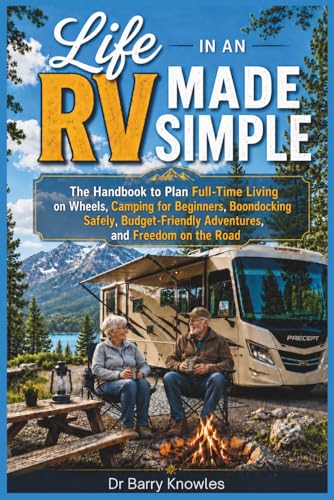
Life in an RV Made Simple: The Handbook to Plan Full-Time Living on Wheels, Camping for Beginners, Boondocking Safely, Budget-Friendly Adventures, and Freedom on the Road

The Ultimate Beginner’s Guide to Full-Time RV Living in 2026: Travel, Budget, Live Green, Work Remotely, Explore Top Destinations, and Build Community with Confidence and Freedom

RV LIVING: The Complete Guide on How to Prepare for Full-Time RV Living and Manage Space and Relations| Bonus: Easy Ways to Make Money While on the Road
