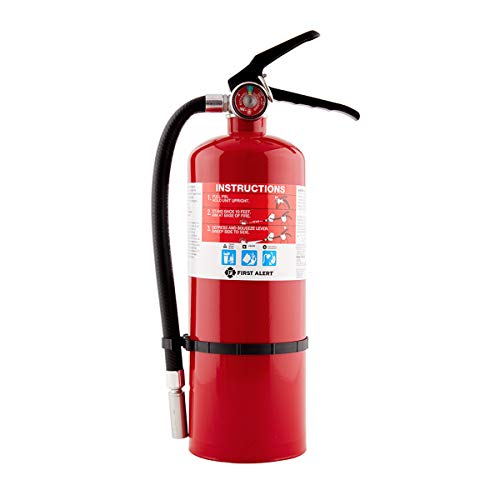
Fire Extinguisher for Camping: Your Complete Safety Guide
Learn how to choose, maintain, and use the right fire extinguisher to protect your camp, your gear, and your loved ones from fire emergencies in the outdoors.
A fire extinguisher is one of the most critical pieces of safety equipment you can bring on any camping trip. While we all love a crackling campfire, the reality is that fire-related accidents are among the most common causes of injury and property damage in the outdoors. Whether it's a stray ember from the fire pit, a malfunctioning camp stove, or an electrical short in your RV, having a properly rated fire extinguisher nearby can mean the difference between a minor incident and a catastrophic wildfire.
In this comprehensive guide, we'll walk you through everything you need to know about fire extinguishers for camping. We'll cover the different types and classifications, how to interpret UL ratings, what size and weight is best for your needs, and essential maintenance and usage tips. By the end of this article, you'll have the confidence to select the perfect fire extinguisher for your next adventure and know exactly how to use it in an emergency.
Understanding Fire Extinguisher Classes and Ratings
Fire extinguishers are classified by the type of fire they are designed to extinguish. Using the wrong type of extinguisher on a fire can be ineffective at best and dangerous at worst. The most common classifications you'll encounter are Class A, Class B, Class C, Class D, and Class K. For camping purposes, Classes A, B, and C are the most relevant.
Ordinary Combustibles
Wood, paper, cloth, trash, and plastic. These are the most common materials found at a campsite. A Class A extinguisher uses water or dry chemical to cool and smother the fire.
Flammable Liquids
Gasoline, oil, grease, propane, and alcohol. These fires are common with camp stoves, lanterns, and fuel containers. Use a dry chemical or foam extinguisher to cut off the oxygen supply.
Electrical Equipment
Wiring, fuse boxes, generators, and appliances. Water is extremely dangerous for electrical fires because it conducts electricity. Use a dry chemical or CO₂ extinguisher that doesn't conduct electricity.
Multi-Purpose
The most versatile option for camping. An ABC extinguisher contains a dry chemical (typically monoammonium phosphate) that can handle all three common fire types. It's the recommended choice for most campers.
When shopping for a camping fire extinguisher, look for the UL rating (Underwriters Laboratories). A typical rating like 2A:10B:C indicates the extinguishing capability: a Class A rating of 2 (equivalent to 2.5 gallons of water), a Class B rating of 10 (covers approximately 10 square feet), and Class C indicates it's safe for electrical fires. For camping, a minimum of 2A:10B:C is recommended, but if you have a larger group or more fuel-burning equipment, consider a 3A:40B:C or higher.
How to Choose the Best Fire Extinguisher for Your Camping Needs
Selecting the right fire extinguisher involves considering several factors: the size of your group, the type of camping you do, the fuel sources you use, and your budget. Here are the key considerations to help you make an informed decision.
1. Size and Weight
For car camping, RV trips, or base camp setups, a larger 5-pound fire extinguisher (about 2.5 kg) offers better fire-fighting capacity and a longer discharge time. For backpacking or day hikes, you'll want something more compact, like a 2-pound (1 kg) model, which can be stashed in a daypack or strapped to the outside. While a smaller unit is better than nothing, remember that it will discharge in only 8-10 seconds, so you need to use it wisely.
2. Rechargeable vs. Disposable
Most camping fire extinguishers are disposable (non-rechargeable). They are affordable, lightweight, and easy to replace after use. Rechargeable models are more expensive but can be refilled by a certified technician, making them a better long-term investment for frequent campers or RVs.
3. Mounting Options
Consider how you'll store your extinguisher. Many come with a vehicle bracket or wall mount. For RVs or camping shelters, a mounting bracket near the exit door or kitchen area is ideal. For tent camping, keep the extinguisher in a clearly marked, easily accessible location, away from the fire source but within quick reach. Avoid placing it behind other gear or deep inside the vehicle.
4. Temperature Range
If you plan to camp in cold weather, check the extinguisher's operating temperature range. Many dry chemical extinguishers are rated for temperatures as low as -40°F (-40°C), but some cheaper models may malfunction in freezing conditions. Always keep your extinguisher at a temperature within its specified range to ensure it works when you need it.
How to Use a Fire Extinguisher: The PASS Method
In an emergency, seconds count. The PASS method is a simple 4-step technique that makes it easy to remember how to operate a fire extinguisher effectively. Familiarize yourself with this technique before you head into the wilderness.
- Pull the pin. This breaks the tamper seal and allows you to discharge the extinguisher.
- Aim low. Point the nozzle or hose at the base of the fire, not at the flames.
- Squeeze the handle. Press down slowly and evenly to release the extinguishing agent.
- Sweep from side to side. Move the nozzle back and forth across the base of the fire until it appears to be out.
It's essential to keep a safe distance (typically 6-10 feet) while using the extinguisher. If the fire is large, out of control, or the extinguisher doesn't seem to be working, evacuate immediately and call 911. Never put yourself at risk for property.
Fire Extinguisher Maintenance: Keep Your Safety Gear Ready
A fire extinguisher is only useful if it's in proper working condition. Regular inspections and maintenance are crucial to ensure it functions correctly in an emergency. Here's a simple checklist for keeping your camping fire extinguisher ready:
- Monthly Visual Inspection: Check the pressure gauge to ensure the needle is in the green zone. If it's in the red, it needs to be replaced or recharged.
- Check for Damage: Look for dents, rust, corrosion, or signs of leakage on the cylinder and valve.
- Ensure Accessibility: Make sure the extinguisher is not blocked by gear and is easy to grab in a hurry.
- Shake It Up: Dry chemical extinguishers can settle over time. Give the unit a gentle shake every few months to keep the powder loose and ready for discharge.
- Check the Expiration Date: Most disposable extinguishers have a shelf life of 5-10 years. Mark the purchase date on the unit so you know when to replace it.
Essential Fire Safety Tips for the Campground
A fire extinguisher is your last line of defense, but the best approach is fire prevention. Here are some practical tips to minimize the risk of fire in and around your camp.
- Clear a safe zone: Set up your campfire in a designated fire ring or pit, away from tents, dry grass, and overhanging branches. Keep a 10-foot clearance around the fire.
- Never leave a fire unattended: Even a small breeze can quickly spread embers. Always have a responsible adult monitor the fire.
- Use fuel safely: Store gasoline, propane, and other fuels in approved containers away from open flames. Refuel stoves and lanterns in a well-ventilated area, and never when the device is hot.
- Be mindful of wind: On windy days, the risk of a fire spreading is significantly higher. Consider postponing your campfire or using a stove instead.
- Keep a bucket of water or sand nearby: In addition to a fire extinguisher, having water or sand ready to douse the fire quickly is an excellent backup measure.
Be Prepared, Stay Safe, and Enjoy the Outdoors
Investing in a high-quality fire extinguisher is one of the simplest and most effective ways to ensure your camping trips are safe and enjoyable. Remember, the right extinguisher, combined with proper maintenance and knowledge of how to use it, can prevent a small mishap from turning into a disastrous event. As you plan your next adventure, make fire safety a top priority alongside your gear checklist.
We hope this guide has given you the confidence to choose the best fire extinguisher for your camping style. Whether you're a weekend warrior or a full-time RVer, being prepared is the first step to a worry-free outdoor experience. Happy camping, and stay safe!
If you're looking to enhance your overall camping safety, be sure to explore our guides on emergency preparedness, camping communication devices, and common camping injuries to round out your knowledge. For those planning winter trips, don't miss our winter camping safety tips.