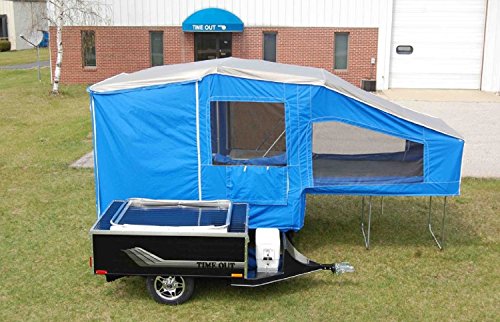
Pop Up Campers: The Ultimate Guide
Everything you need to know about pop-up campers – from types and features to setup tips and gear recommendations. Make an informed decision before your next outdoor adventure.
Shop Recommended GearPop up campers (also called folding camping trailers or tent trailers) offer a unique blend of convenience, affordability, and comfort. They collapse for easy towing and storage, then expand into a cozy living space with beds, a kitchen, and sometimes even a bathroom. Whether you're a weekend warrior or a full-time nomad, a pop-up camper can transform your camping experience. In this guide, we'll walk you through everything you need to know before buying, along with essential gear to make your trips unforgettable.
What Is a Pop Up Camper?
A pop-up camper is a lightweight, towable trailer with collapsible walls that fold down for travel. Once you arrive at your campsite, you crank or lift the roof and pull out the sleeping ends, creating a spacious interior. Most models include:
- Sleeping areas: Beds that slide out (often with mattresses).
- Kitchenette: Stove, sink, and small refrigerator.
- Dining area: A table that converts to extra sleeping space.
- Storage: Cabinets and under-seat compartments.
- Canvas or vinyl walls: Provide shelter and ventilation.
Pop-up campers are ideal for families, couples, or solo adventurers who want more comfort than a tent but don't want the bulk of a large RV. They're also much more affordable and fuel-efficient than traditional travel trailers.
Types of Pop Up Campers
Traditional Pop-Up
The classic design with canvas sides and two fold-out beds. Lightweight and easy to tow, perfect for family camping trips.
- Sleeps 4–8 people
- Dry weight: 1,200–2,500 lbs
- Affordable and widely available
High-Wall Pop-Up
Features taller, hard-wall sides for better insulation and security. Often includes a cassette toilet and larger appliances.
- Sleeps 4–6
- Dry weight: 2,500–3,800 lbs
- More amenities, higher price point
Off-Road Pop-Up
Built with rugged suspension, larger tires, and a reinforced frame for overlanding and boondocking.
- Sleeps 2–4
- Dry weight: 1,800–3,000 lbs
- Off-grid capability
A-Frame Pop-Up
Hard-sided, folding camper with a distinctive A-frame roof. Provides better insulation and weather resistance.
- Sleeps 2–4
- Dry weight: 1,500–2,800 lbs
- Easy setup, great for cold weather
Pros & Cons of Pop Up Campers
✅ Pros
- Lightweight and easy to tow with most vehicles
- More comfortable than tent camping (beds, kitchen, protection from elements)
- Affordable entry into RV camping
- Compact storage when folded
- Better fuel economy than larger RVs
- Quick setup compared to traditional tents
❌ Cons
- Canvas sides offer less insulation (cold/hot)
- Limited storage and living space
- Setup can be time-consuming in bad weather
- Less durable than hard-sided RVs
- Requires regular maintenance (canvas, lift system)
- Not suitable for extreme winter camping without upgrades
Key Features to Consider
Before buying a pop-up camper, evaluate these critical factors:
- Weight & Towing Capacity: Ensure your vehicle can safely tow the camper (including cargo). Check Gross Vehicle Weight Rating (GVWR).
- Sleeping Capacity: Choose a model that comfortably sleeps your group. Look for slide-out beds and convertible dinettes.
- Canvas Quality: Opt for high-quality, waterproof, and UV-resistant canvas. Vinyl-coated canvas is more durable.
- Lift System: Manual crank, electric lift, or push-up? Electric lifts are convenient but add weight and cost.
- Kitchen Amenities: Two-burner stove, sink, and refrigerator are standard. Some include a microwave or oven.
- Bathroom: High-wall models may include a cassette toilet and outdoor shower. Portable toilets are an alternative.
- Storage: Ample cabinets, under-seat storage, and external cargo trays are valuable for longer trips.
- Weather Resistance: Look for insulated canvas, heated mattresses, and a good awning for rain protection.
Setup & Maintenance Tips
Setting up a pop-up camper is straightforward once you practice. Here's a quick checklist:
- Level the trailer: Use leveling blocks under the wheels and tongue jack.
- Unlock and lift: Release the roof latches and crank or push up the roof.
- Pull out beds: Extend the bed slides and support them with poles.
- Secure canvas: Attach the canvas to the bed rails and roof, ensuring a tight fit.
- Set up interior: Arrange furniture, connect utilities (propane, water, electric).
- Deploy awning: Provides shade and extra living space.
Maintenance reminders: Clean and treat canvas annually, lubricate lift system, check seals and tires, and store properly to prevent mold and mildew.
Pop Up vs. Other Campers
| Feature | Pop Up Camper | Travel Trailer | Roof Top Tent |
|---|---|---|---|
| Weight | Light (1,200–3,800 lbs) | Heavy (3,000–10,000+ lbs) | Very light (100–200 lbs) |
| Setup Time | 10–20 minutes | 15–30 minutes | 5–10 minutes |
| Sleeping Capacity | 4–8 people | 4–10 people | 2–4 people |
| Kitchen | Built-in (stove, sink, fridge) | Full kitchen | None (portable gear) |
| Bathroom | Optional (cassette toilet) | Standard (full bath) | None |
| Price Range | $5,000–$20,000 | $15,000–$50,000+ | $1,000–$4,000 |
| Best For | Families, weekend trips | Long-term travel, full amenities | Overlanding, minimalist camping |
If you're new to camping, check out our first time camping tips to prepare for your adventure. For those considering a more rugged approach, our primitive camping guide covers off-grid essentials. And if you're towing with a smaller vehicle, you might also like our roof top tent recommendations. For extended trips, learn about RV camping and compare options. Don't forget to review campfire safety rules before your first campfire.
For those who enjoy winter adventures, our winter camping section provides tips on staying warm. And if you're planning a cross-country trip, explore our camping destinations for the best spots. Always remember to leave no trace and respect nature.
Essential Gear for Pop Up Campers
Enhance your pop-up camping experience with these must-have accessories:
- Leveling blocks & chocks – for stable setup on uneven ground.
- Portable power station – keep devices charged and run small appliances.
- Outdoor rug – keeps dirt outside and adds comfort.
- Awning lights – create a cozy atmosphere at night.
- Portable grill – for cooking outdoors and avoiding interior odors.
- Water hose & pressure regulator – safe hookup at campgrounds.
- Toolkit – for minor repairs and adjustments.
For more gear inspiration, browse our camping gear section.