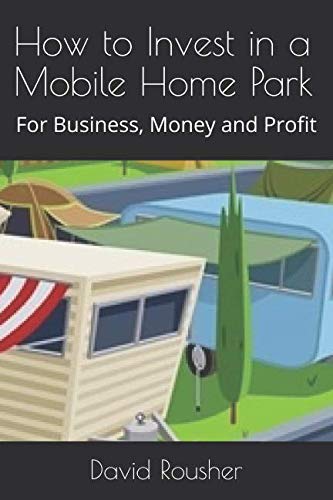
Mobile Home Parks: The Complete Guide to Affordable Living
Discover how mobile home parks work, what they cost, how to choose the right community, and whether park living is the right fit for your lifestyle and budget.
START EXPLORINGWhy this guide matters: Mobile home parks offer one of the most affordable paths to homeownership in the United States. But not all parks are created equal. This guide walks you through the entire process — from understanding park types and fee structures to evaluating communities and avoiding common pitfalls — so you can make a confident, informed decision.
What Are Mobile Home Parks?
Mobile home parks — also called manufactured home communities — are residential developments where residents own their homes but lease the land beneath them. Instead of buying a traditional house and lot, you purchase a manufactured home and pay monthly rent for the space it occupies. This model has made park living a cornerstone of affordable housing across the country.
Modern mobile home parks are far removed from the stereotypes of decades past. Today's communities range from modest entry-level parks to luxury all-inclusive resorts with clubhouses, pools, and organized activities. Many are age-restricted for residents 55 and older, while others welcome families with children. Understanding the different types is the first step toward finding the right fit.
For those who enjoy the freedom of full-time RV living or are considering home on wheels options, mobile home parks offer a middle ground — more permanence than a campground, more affordability than a traditional house, and a built-in community that can be hard to find elsewhere.
The Real Advantages and Trade-Offs
Every housing decision involves trade-offs. Mobile home park living is no exception. Here's an honest look at what you gain — and what you give up.
✅ Advantages
- Affordability: Entry-level park living typically costs significantly less than renting an apartment or buying a traditional home in the same area.
- Community: Parks often foster a neighborly atmosphere with shared amenities and social events.
- Low maintenance: Landscaping and common areas are usually managed by park management.
- Homeownership: You own your home, which can build equity over time (though less than traditional real estate).
- Location flexibility: Parks exist in urban, suburban, and rural areas — including near RV campgrounds close to your location.
- Amenities: Mid-range and premium parks often include clubhouses, pools, fitness centers, and organized activities.
⚠️ Trade-Offs
- Lot rent increases: Monthly fees can rise over time, and you don't control the land.
- Financing challenges: Manufactured home loans can be harder to qualify for than traditional mortgages.
- Resale limitations: Selling a home in a park can be more complex than selling a traditional house.
- Park management dependency: Your experience depends heavily on how well the park is run.
- Limited appreciation: Manufactured homes typically appreciate more slowly than site-built homes.
- Stigma: Some buyers still hold outdated views about manufactured housing.
Understanding Park Tiers: From Entry-Level to Luxury
Mobile home parks span a wide spectrum. Using universal quality descriptors helps set expectations without focusing on specific numbers that vary by region and market conditions. Here's how the tiers generally break down.
Budget-Friendly Communities
Basic infrastructure, minimal amenities, and the lowest monthly lot rents. Often located in rural areas or on the outskirts of cities. Best for buyers who prioritize affordability above all else and don't mind fewer frills.
Comfortable & Well-Maintained
Paved roads, community clubhouse, laundry facilities, and responsive management. These parks offer a solid balance of affordability and quality of life. Most common type of park in suburban areas.
High-End Communities
Upgraded amenities like swimming pools, fitness centers, gated access, and organized social calendars. Often age-restricted (55+). Landscaping is professionally maintained, and lots are larger and more private.
Resort-Style Living
Top-tier parks with spa facilities, golf courses, concierge services, and high-end manufactured homes. These communities rival traditional resort living and cater to buyers seeking a maintenance-free, upscale lifestyle.
A key rule of thumb: entry-level parks focus on the basics, mid-range parks add comfort and community, premium parks elevate amenities and location, and luxury parks deliver a resort experience. Comparing parks within the same tier gives you the most accurate picture of value.
Mobile Home Park vs. Other Housing Options
How does park living stack up against alternatives? This table compares key factors across common housing choices.
| Factor | Mobile Home Park | Apartment Rental | Traditional House |
|---|---|---|---|
| Upfront cost | Low to moderate | Low (deposit + first month) | High (down payment + closing) |
| Monthly cost | Lot rent + utilities | Rent + utilities | Mortgage + taxes + insurance |
| Equity building | Limited (home only) | None | Strong (home + land) |
| Maintenance | Low (land managed by park) | None (rental) | High (all on owner) |
| Flexibility | Moderate (sell or move home) | High (lease terms) | Low (selling takes time) |
| Community | Often strong | Varies widely | Varies by neighborhood |
| Appreciation | Limited | N/A | Historically strong |
How to Choose the Right Mobile Home Park
Finding a park that fits your lifestyle requires research and firsthand evaluation. Use this checklist to guide your search.
📋 Park Evaluation Checklist
- Verify ownership and management: Is the park owned by a private individual, a family, or a large corporation? Corporate-owned parks may have different policies on rent increases and maintenance.
- Review the lease agreement carefully: Understand lot rent, escalation clauses, rules about home sales, and what happens if you want to move your home.
- Inspect infrastructure: Check roads, water pressure, sewer systems, and electrical hookups. Aging infrastructure can mean frequent disruptions.
- Visit at different times: Tour the park on a weekday, weekend, and evening to get a true sense of noise levels, activity, and safety.
- Talk to current residents: Ask about management responsiveness, utility costs, and overall satisfaction. Honest feedback is invaluable.
- Check the location: Proximity to work, healthcare, shopping, and recreation matters. If you enjoy fishing and camping or hiking, look for parks near outdoor destinations.
- Understand pet policies: If you have pets, confirm breed restrictions, weight limits, and associated fees. Pet-friendly glamping principles apply — some parks are more welcoming than others.
- Review the community rules: Age restrictions, guest policies, lawn maintenance requirements, and vehicle rules all affect daily life.
- Evaluate resale potential: Ask how homes are sold within the park and whether the park charges a transfer fee or takes a percentage of the sale.
- Check for hidden costs: Beyond lot rent, inquire about trash pickup, water, sewer, lawn care, and any annual fees.
Financing, Legal Considerations, and What to Know
Financing a manufactured home in a park differs from a traditional mortgage. Here are the key points to understand.
Financing options: Some buyers qualify for conventional mortgages if the home is permanently affixed to the land (rare in parks). More commonly, buyers use chattel loans, personal property loans, or FHA Title I loans. Each has different terms, rates, and qualification requirements. Working with a lender experienced in manufactured housing is essential.
Lot rent vs. lot ownership: In most parks, you lease the lot. A minority of parks operate as cooperatives or condominiums where residents collectively own the land. Cooperative ownership can offer more stability and control but often requires a larger upfront investment and a vote of approval from existing members.
Legal protections: State laws govern mobile home park tenancy, and protections vary widely. Some states require advance notice of rent increases, while others offer little protection. Research your state's regulations before committing. The BLM camping rules framework offers a useful comparison for understanding how public land use regulations differ from private park rules.
Insurance: Manufactured home insurance is different from standard homeowners insurance. Confirm that your policy covers both the structure and liability, and understand what the park's insurance covers (usually just common areas).
Lifestyle and Community: What Daily Life Looks Like
Life in a mobile home park is defined by the community you join. Some parks are quiet and private, while others buzz with social activities. Understanding the culture before you buy is just as important as evaluating the physical infrastructure.
Many parks organize regular events — potlucks, game nights, holiday celebrations, and fitness classes. If you're considering a camping sports events and soccer tournaments lifestyle, look for parks with active recreation programs. For those who enjoy music festival camping and similar events, a park with a social committee can be a great home base.
Age-restricted parks (55+) tend to be quieter, with more structured activities and a focus on relaxation. All-ages parks are livelier, with children playing and families coming and going. Neither is inherently better — it depends entirely on your preferences and stage of life.
If you're used to the solitude of dispersed camping near Mt. St. Helens or off-grid camping, park living may feel too structured. But for those who value neighbors, shared amenities, and a sense of belonging, it can be deeply satisfying.
Ready to Explore Mobile Home Park Living?
Whether you're drawn to the affordability of an entry-level park, the comfort of a mid-range community, or the resort-style amenities of a premium park, there's a community that fits your lifestyle. Start your research today and discover why millions of Americans call mobile home parks home.
Learn More About Park CommunitiesFrequently Asked Questions
In most mobile home parks, you own the home but lease the land. This is the standard model. A small number of parks operate as cooperatives or condominiums where residents collectively own the land. Always clarify ownership structure before purchasing.
Technically yes, but it's expensive and logistically complex. Moving a manufactured home requires specialized equipment, permits, and often significant preparation. Many homes are never moved after initial placement. Check your lease for any restrictions on moving.
Rent increases vary by park, region, and ownership. Some parks have fixed annual increases written into the lease, while others raise rents at management's discretion. Asking about historical increases is one of the most important questions to ask before buying.
Manufactured homes in parks typically appreciate more slowly than site-built homes, and the land lease means you don't benefit from land value increases. However, they can be an excellent affordable housing option and a way to reduce monthly housing costs significantly. The value proposition depends on your goals and time horizon.
Look at road conditions, landscaping, common areas, and the overall upkeep of homes. Talk to residents. Visit at different times of day. Check water pressure and ask about utility costs. Read the lease thoroughly and ask about any pending changes to park rules or fees.
Yes, but options are more limited than traditional mortgages. Common options include chattel loans, FHA Title I loans, and personal property loans. Some lenders specialize in manufactured housing. Working with an experienced lender is strongly recommended.
Final Thoughts: Is a Mobile Home Park Right for You?
Mobile home parks offer a unique blend of affordability, community, and low-maintenance living. They're not for everyone — if you want to build significant equity or have total control over your property, a traditional house may be a better fit. But for buyers who prioritize affordability, value community, and want a simpler lifestyle, park living can be an excellent choice.
The key is to do your research. Understand the different park tiers, read leases carefully, talk to residents, and evaluate the park's management and infrastructure. With the right approach, you can find a mobile home park that feels like home for years to come.
Whether you're drawn to the simplicity of camping itineraries or the permanence of a manufactured home community, the principles are the same: know what you're getting into, prepare thoroughly, and enjoy the lifestyle you've chosen.