Fire Blanket Guide: Essential Safety for Camping & Outdoor Use
Learn how fire blankets work, which materials and sizes matter most, and why every campsite should have one within arm's reach. A complete buyer's guide for safety-conscious campers.
Explore the GuideWhy this matters: Most campfire accidents happen within seconds. A fire blanket gives you a fast, chemical-free way to smother small flames before they spread. This guide helps you choose the right one for your setup.
What Is a Fire Blanket and How Does It Work?
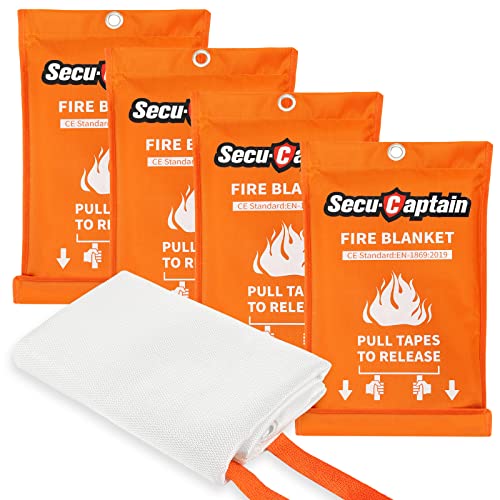
A fire blanket is a sheet of fire-resistant material—typically woven fiberglass or a treated wool blend—stored inside a quick-release pouch or wall-mounted container. When you pull it out and drape it over a fire, it smothers the flames by cutting off the oxygen supply. No chemicals, no water, no mess.
Unlike a fire extinguisher, which sprays a pressurized agent, a fire blanket works through simple physical coverage. That makes it ideal for campers who want a lightweight, maintenance-free safety tool that won't expire or lose pressure. If you're building a complete safety kit, pair it with a traditional fire extinguisher for broader coverage, and review basic campfire safety rules before your next trip.
Types of Fire Blankets: Materials and Construction
Not all fire blankets are built the same. The material determines heat resistance, durability, and how the blanket performs under real-world conditions.
Fiberglass Fire Blankets
The most common type for home and camping use. Woven fiberglass offers excellent heat resistance and is lightweight, foldable, and affordable. Entry-level options work fine for small cooking fires; mid-range and premium versions add tighter weaves and better edge stitching for durability.
Wool-Blend Fire Blankets
Natural wool blends are softer to the touch and less irritating than fiberglass. They tend to be heavier and more expensive, but they drape more naturally over irregular shapes—useful if you need to wrap a person whose clothing has caught fire.
Silica and Specialty Fabrics
High-end fire blankets may use silica-based fabrics or proprietary treatments for extreme heat resistance. These are typically found in industrial settings and premium camping kits. For most campers, a well-made fiberglass blanket is more than sufficient.
Pouch vs. Hard Case
Soft pouches with pull-tabs deploy fastest—often in under two seconds. Hard cases offer better protection from moisture and abrasion but may take slightly longer to open. For camping, a soft pouch stored in a dry location is the practical choice.
Choosing the Right Size for Camping
Fire blanket sizes are usually listed in meters or feet. The right size depends on what you're protecting—a small camp stove, a group campfire, or people.
| Size | Best For | Portability | Coverage |
|---|---|---|---|
| Small (approx. 1 x 1 m) | Solo campers, small cooking stoves, personal safety | Highly portable, fits in a backpack side pocket | Adequate for small pan fires and single-person use |
| Medium (approx. 1.2 x 1.2 m) | Couples, small families, standard camp kitchens | Easy to store in a camp kitchen bin or vehicle | Good coverage for most camping fire scenarios |
| Large (approx. 1.2 x 1.8 m) | Group camping, larger campfires, wrapping a person | Bulkier but still manageable in a vehicle | Excellent coverage; can fully wrap an adult |
For most camping setups, a medium or large blanket offers the best balance of coverage and portability. If you're camping with kids or in a group, size up—you'll be glad you did. Reviewing emergency kit essentials and common camping injuries will help you plan a complete safety strategy.
Fire Blanket vs. Fire Extinguisher: Which Should You Carry?
This is the most common question campers ask. The honest answer: they solve different problems, and many experienced campers carry both.
Fire Blanket Advantages
- No expiration date or pressure loss
- Leaves no chemical residue
- Safe for grease and cooking oil fires
- Can be wrapped around a person
- Lightweight and compact
- Requires no training to use correctly
Fire Extinguisher Advantages
- Can be deployed from a distance
- Effective on larger, fuel-based fires
- Some models are reusable after partial discharge
- Available in different ratings (A, B, C, K)
- Familiar to most adults
For campfire safety specifically, a fire blanket handles the most likely scenarios—a small grease flare-up, a tent fabric catching a spark, or clothing igniting near a stove. A fire extinguisher covers larger fuel fires. Together, they form a complete response. You can also review how to properly extinguish a campfire and check local fire ban guidelines before you head out.
How to Use a Fire Blanket Correctly
Using a fire blanket is straightforward, but a few details matter in the moment:
- Pull the tabs to release the blanket from its pouch. Hold it by the top corners, shielding your hands.
- Approach the fire carefully. Keep the blanket between you and the flames as you move in.
- Lay the blanket gently over the fire. Do not throw it—you want even coverage, not a blast of air.
- Leave it in place for at least 15–20 minutes. The fire needs to cool completely before you remove the blanket.
- Do not lift to check. Introducing oxygen to a smoldering fire can cause it to reignite.
If the fire involves a person, wrap the blanket around them and roll them gently if needed. Seek medical attention immediately even if the burn looks minor. First aid knowledge is essential—review first aid for camping and wilderness first aid to be prepared.
Care, Inspection, and Replacement
Fire blankets are low-maintenance, but they are not maintenance-free. Inspect your blanket at least once a year, and more often if you camp frequently.
What to Check
- Pouch integrity: no tears, moisture, or mold
- Blanket condition: no fraying, holes, or stiff spots
- Pull tabs: still attached and functional
- Storage location: dry, accessible, away from heat
When to Replace
- After any use on a real fire
- If the blanket has been wet and dried stiff
- If fibers are visibly damaged or discolored
- If the pouch no longer seals properly
Where to Store Your Fire Blanket at Camp
Placement matters more than most campers realize. The best location is near your cooking area but not directly above or beside the stove—you don't want flames reaching it before you can grab it.
- Hang it on a dedicated hook near your camp kitchen or fire pit
- Keep a second blanket in your vehicle's emergency kit
- Store one in your tent's gear loft if you use a heater or lantern
- Make sure every adult in your group knows exactly where it is
Pair your fire blanket with a well-stocked emergency kit and reliable communication devices for remote camping trips. If you're camping in areas with active fire restrictions, always check campfire regulations and wildfire prevention guidance first.
Fire Blanket Buying Guide: What to Look For
When comparing fire blankets, focus on these factors rather than brand names:
| Feature | Entry-Level | Mid-Range | Premium |
|---|---|---|---|
| Material | Basic woven fiberglass | Denser fiberglass weave with stitched edges | High-density fiberglass or wool blend |
| Pouch | Simple soft pouch | Reinforced pouch with quick-release tabs | Weather-resistant hard case or premium soft pouch |
| Size Options | Usually one size | Multiple sizes available | Full range including large wrap-around sizes |
| Durability | Basic; may fray over time | Good; holds up to regular inspection | Excellent; designed for frequent handling |
| Best For | Occasional campers, backup use | Regular campers, families | Groups, frequent campers, safety-focused setups |
For most campers, a mid-range fire blanket offers the best combination of reliability, portability, and durability. Premium options make sense if you camp frequently, lead group trips, or want the extra confidence of a larger wrap-around size.
Related Safety & Camping Guides
- Fire Extinguisher Guide for Campers
- Campfire Safety Rules
- How to Extinguish a Campfire Safely
- Fire Ban Guide
- Wildfire Prevention Tips
- Campfire Regulations
- Emergency Kit Essentials
- Emergency Preparedness for Camping
- First Aid for Camping
- Common Camping Injuries
- Wilderness First Aid
- Emergency Communication Devices
- Emergency Communication Guide
- Camping Weather Alerts
- What to Do If Lost
- Winter Camping Safety
- Prevent Frostbite & Hypothermia
- Camping with Dogs Rules
- First Time Camping Tips
- Camping FAQ
Frequently Asked Questions About Fire Blankets
A fire blanket is a sheet of fire-resistant material, typically woven fiberglass, stored in a quick-release pouch or container. When deployed over a small fire, it smothers the flames by cutting off the oxygen supply, extinguishing the fire without chemicals or water.
Neither is universally better. Fire blankets are superior for smothering small pan fires, grease fires, and clothing fires, and they leave no residue. Fire extinguishers are better for larger, fuel-based fires and can be deployed from a distance. Many campers carry both for complete protection.
For camping, a medium-sized blanket around 1 x 1 meter is usually sufficient for small cooking fires and personal safety. Larger blankets around 1.2 x 1.8 meters offer better coverage for group campfires and are easier to wrap around a person if clothing catches fire.
Fire blankets that have been used on a fire should generally be replaced. While some blankets can be cleaned and inspected after use, any blanket that has been exposed to high heat or flames may have compromised fibers. Always follow the manufacturer's guidance.
Fire blankets do not have a strict expiration date, but the material and packaging can degrade over time. Most manufacturers recommend inspecting the blanket every 12 months and replacing it if the pouch is damaged, the blanket is frayed, or it has been exposed to moisture or chemicals.
Store your fire blanket in an easily accessible location near your cooking area or campfire, but not so close that flames or heat could reach it. A dedicated hook or the side pocket of your camp kitchen setup works well. Everyone in your group should know exactly where it is.
Final Thoughts: A Small Tool with Big Peace of Mind
A fire blanket is one of those pieces of gear you hope you never need—but when you do need it, nothing else works quite as fast. It's lightweight, requires no maintenance beyond an annual inspection, and costs far less than the damage a single uncontrolled spark can cause.
Whether you're a solo backpacker, a family car camper, or a group trip leader, adding a fire blanket to your kit is a smart, low-effort way to raise your safety baseline. Combine it with solid fire safety habits, a well-stocked first aid kit, and a clear emergency plan, and you'll be ready for whatever the outdoors throws your way.