Camping Shelter Guide: Tents, Tarps & Outdoor Cover
Your shelter is your home in the wild. Choose the right tent, tarp, or hammock to stay protected and sleep soundly on every adventure.
Why shelter matters: A good camping shelter protects you from weather, insects, and the elements. It’s the foundation of a comfortable trip. Whether you’re a weekend warrior or a thru-hiker, the right shelter can make or break your experience.
Types of Camping Shelters
⛺ Tents
The most common shelter. Available in dome, cabin, tunnel, and geodesic designs. Choose based on capacity, seasonality, and weight.
- Best for: Families, couples, car camping
- Capacity: 1–12+ people
- Price range: $80–$600
🧭 Tarps & Bivies
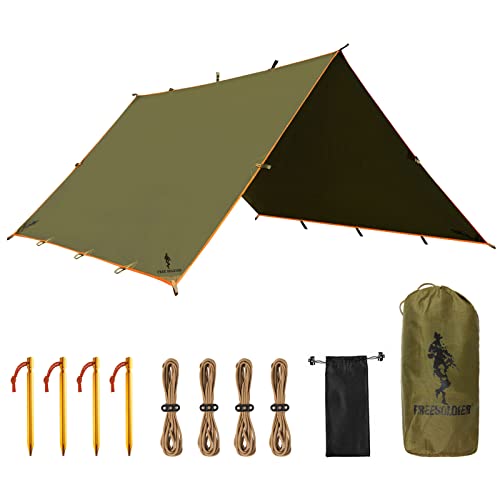
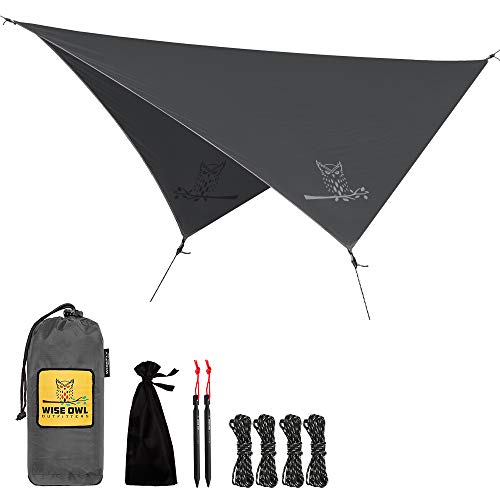
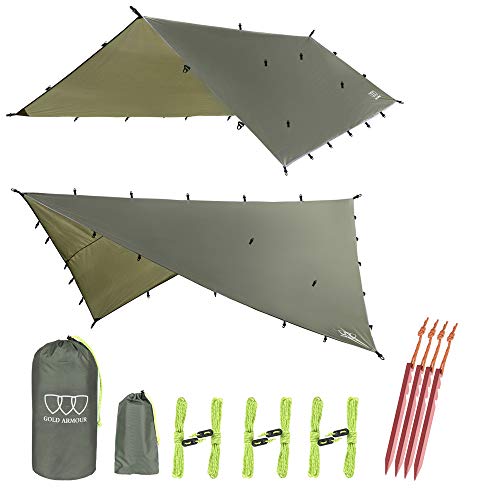
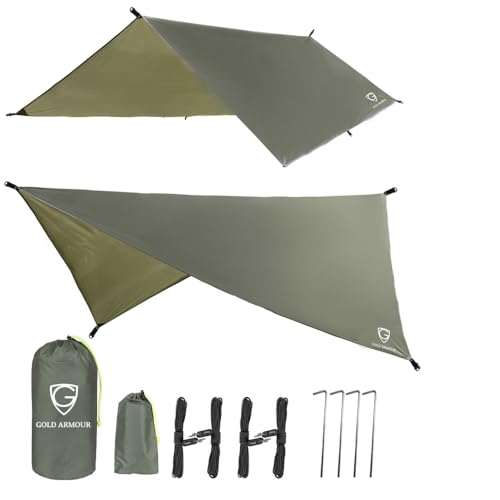
Lightweight, minimal shelters. Tarps offer versatile pitch options; bivy sacks are ultra-compact for solo adventurers.
- Best for: Ultralight, backpacking
- Weight: 0.5–2 lbs
- Price range: $50–$250
🌿 Hammocks
Sleep suspended between trees. Comfortable, lightweight, and leaves no trace. Requires tree straps and a rainfly.
- Best for: Woodland camping, solo
- Weight: 1–3 lbs
- Price range: $60–$300
🚐 RVs & Campers
Hard-sided shelters with amenities. Perfect for family road trips and extended stays. Includes pop-up, travel trailers, and motorhomes.
- Best for: Families, comfort seekers
- Length: 10–40 ft
- Price range: $5,000–$100,000+
How to Choose Your Shelter
🔹 Capacity
Always size up. A 2-person tent fits two snugly; a 4-person tent is comfortable for two with gear. Consider your group size and gear storage needs.
🔹 Seasonality
3-season tents are versatile for spring to fall. 4-season tents are built for winter and high winds. Check the fabric and pole strength.
🔹 Weight & Packability
For backpacking, weight is critical. Look for ultralight materials like silnylon or Dyneema. Car campers can prioritize space and comfort.
🔹 Setup Ease
Instant tents and pop-up shelters are great for beginners. Traditional pole tents offer more stability. Practice setup before your trip.
Shelter Comparison
| Type | Best For | Weight | Price Range | Setup Time |
|---|---|---|---|---|
| Dome Tent | Family, car camping | 5–15 lbs | $100–$400 | 5–10 min |
| Backpacking Tent | Ultralight, solo/duo | 2–4 lbs | $200–$600 | 3–5 min |
| Tarp & Bivy | Minimalist, thru-hike | 0.5–2 lbs | $50–$250 | 2–5 min |
| Hammock | Woodland, solo | 1–3 lbs | $60–$300 | 3–6 min |
| Pop-up Camper | Family, road trips | 1,000–3,000 lbs | $5,000–$25,000 | 15–30 min |
Expert Shelter Tips
- ✔ Choose your campsite wisely: Look for flat, elevated ground away from dead trees and water sources.
- ✔ Always use a footprint: A groundsheet protects your tent floor from rocks and moisture, extending its life.
- ✔ Ventilation is key: Condensation is a common issue. Open vents and use a tarp to manage moisture.
- ✔ Practice Leave No Trace: Choose durable surfaces, and pack out all trash. Respect wildlife and other campers.
For more on shelter setup, check our guides on setting up in rain, beach camping, and snow setup.