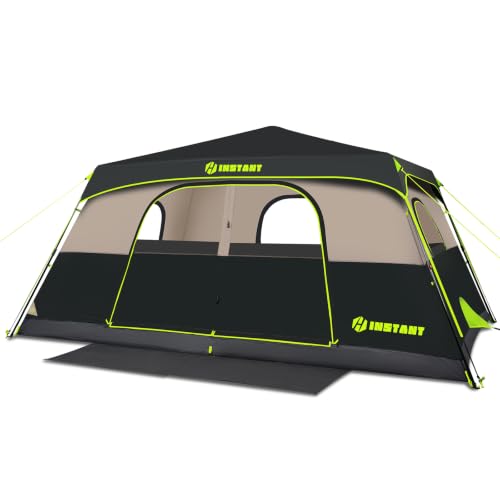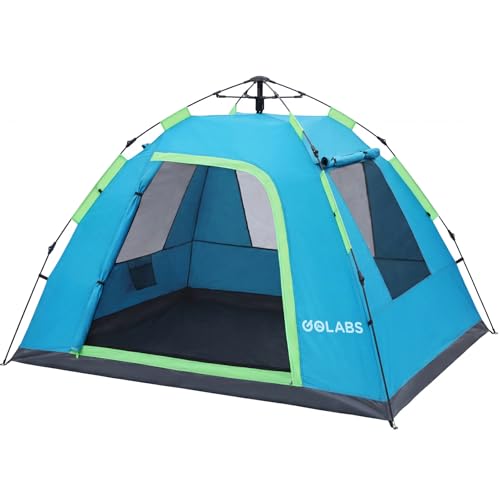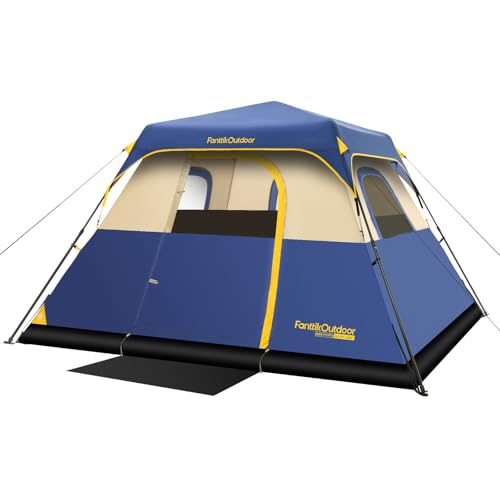
Camping Tents with Ventilation
Stay cool, dry, and comfortable. Learn how proper airflow prevents condensation, regulates temperature, and transforms your camping experience.
Shop Top Ventilated TentsWhy ventilation matters: A stuffy tent leads to condensation, mold, and restless sleep. Proper airflow keeps you dry, reduces humidity, and extends your tent's lifespan. Whether you're camping in summer heat or cold-weather conditions, ventilation is the key to comfort.
What Makes a Great Ventilated Tent?
Mesh Panels
Large, high-density mesh windows and doors allow cross-breezes while keeping bugs out. Look for no-see-um mesh for tiny insects.
Adjustable Vents
Floor-level and roof vents create a chimney effect, drawing moisture out. Vents with hoods allow airflow even in light rain.
Breathable Fabrics
Polyester and nylon with breathable coatings reduce interior condensation. Some tents use dual-layer fabrics for improved moisture management.
Rainfly Design
A high-pitch rainfly with gap between tent and fly promotes airflow. Many modern designs include awning-style flys for ventilation.
The Science of Tent Ventilation
Proper tent ventilation is more than just opening a window. It's about managing moisture, temperature, and air quality. When you breathe, cook, or sweat inside a tent, you release moisture that can lead to condensation. This is especially problematic in cold-weather camping or winter camping where warm, moist air meets cold tent walls.
The best camping tents with ventilation use a combination of mesh panels, adjustable vents, and rainfly gaps to create a steady airflow. This prevents the "greenhouse effect" in summer and reduces frost buildup in winter. When choosing a tent, pay attention to the number and placement of vents. For family camping or group trips, larger tents benefit from multiple ventilation points.
For summer camping, prioritize tents with full-mesh canopies and large windows. For spring or fall, look for adjustable vents that can be closed when it's windy or rainy. Winter campers should seek tents with lower vents and a high rainfly to allow moisture escape while retaining warmth.
Benefits of Proper Ventilation
- Reduces condensation – keeps your sleeping bag and gear dry.
- Regulates temperature – cooler in summer, warmer in winter (less moisture = less chill).
- Prevents mold and mildew – extends the life of your tent and sleeping gear.
- Improves sleep quality – fresh air means better rest.
- Reduces odors – less musty smell after a few days.
Frequently Asked Questions
How can I improve ventilation in my tent?
Open all mesh windows and doors when weather permits. Use a camping ground sheet to reduce ground moisture. Set up your tent with the fly high to allow air circulation. If your tent lacks vents, consider a portable fan or position the tent to catch prevailing winds.
Do I need a ventilated tent for cold weather?
Absolutely. In cold weather, condensation can freeze inside your tent. Look for tents with low vents to let moisture out while keeping warm air in. Many winter tents feature adjustable vents that can be closed during heavy snow.
What size tent is best for ventilation?
Larger tents often have more mesh and vent options. For choosing the right tent size, consider that a tent with more "living space" allows better airflow. A 6-person or 8-person tent with multiple windows and a high rainfly offers superior ventilation compared to a smaller dome tent.
Can I add ventilation to an existing tent?
Yes. You can add a guy line to lift the rainfly for extra airflow, or use a battery-powered fan. Some campers modify their tents by adding mesh panels, but this requires sewing skills. For most, upgrading to a well-ventilated tent is the best solution.
Ready for a Better Camping Experience?
Browse our top picks for ventilated tents and sleep comfortably on your next adventure.
Shop Ventilated Tents