Instant Tent Guide: Setup, Pros, Cons & Best Picks
Discover everything about instant tents—what they are, how they work, their advantages and drawbacks, and key factors to consider before buying your next pop-up shelter for car camping or family adventures.
What Is an Instant Tent?
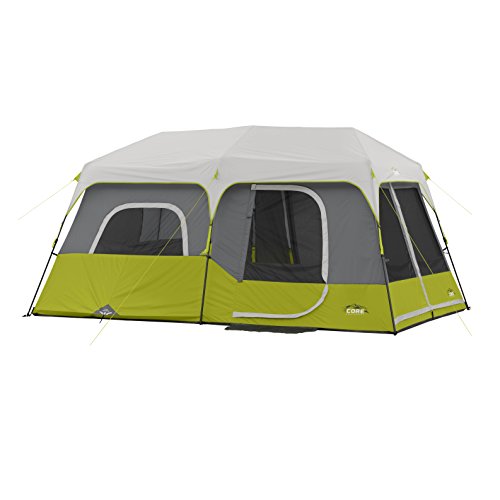
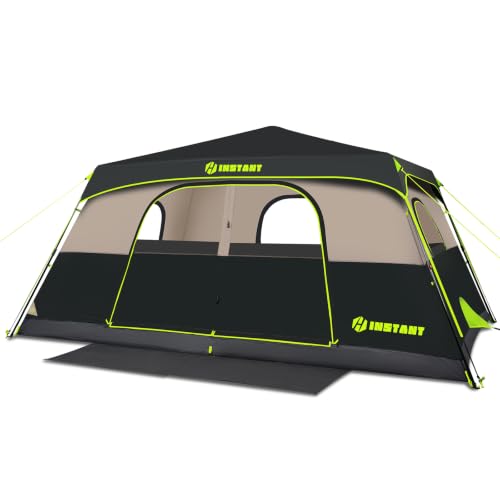
An instant tent, often called a pop-up tent, is designed for speed and simplicity. Unlike traditional tents that require threading poles through sleeves, an instant tent features a pre-attached, integrated pole system (often a hub design). Setup typically involves removing the tent from its bag, unfolding it, and lifting the central hub or pulling corners until the frame locks into place [citation:1][citation:5].
This design makes pitching a tent intuitive and nearly foolproof, even for beginners. However, the convenience of a fast setup comes with trade-offs. Instant tents tend to be heavier and bulkier when packed than traditional camping tents of similar capacity, and their integrated poles can make repairs more difficult if a joint breaks [citation:1][citation:10].
For more on choosing the right shelter, you might find our guide on how to choose tent size helpful.
Instant vs. Standard Camping Tents
Comparison at a Glance
| Feature | Instant Tent | Standard Tent |
|---|---|---|
| Setup Speed | 1–5 minutes, minimal effort [citation:5][citation:10] | 10–20 minutes, requires assembly |
| Ease of Use | Intuitive, great for beginners and families [citation:1] | Steeper learning curve, may require practice |
| Weight & Packed Size | Heavier and bulkier (e.g., 21.8 lbs for a 4-person) [citation:5] | Lighter and more compact [citation:1] |
| Durability | Can be vulnerable to wind; plastic joints may break [citation:1] | Generally more robust; poles and parts are replaceable [citation:1] |
| Repairability | Difficult; broken hubs often mean replacing the whole tent [citation:1] | Easier; poles, sleeves, and parts are often replaceable |
| Ventilation | Can get stuffy; integrated rainfly may limit airflow [citation:1] | Often better ventilation with more mesh and adjustable fly |
| Price | Affordable options available; wide range depending on size and brand [citation:1] | Wide range from budget to premium |
While instant tents excel in convenience, a standard camping tent might be a better choice for backpacking or if you prioritize packability and long-term durability. For families or casual car campers, the speed and ease of an instant tent can be a game-changer.
When to Choose an Instant Tent
Instant tents are ideal for specific camping scenarios. They shine for car camping, festival trips, family outings, and any situation where setup speed is a priority [citation:1][citation:10]. They're particularly beneficial for:
- Beginners who are new to camping and want a stress-free setup.
- Parents who need to set up camp quickly while managing children.
- Late arrivals at a campsite who want to get the tent up before dark [citation:5].
- Fair-weather campers who primarily camp in mild conditions.
If your camping style involves backpacking or you frequently face windy or extreme weather, a traditional tent might offer better stability and performance.
Key Factors Before Buying an Instant Tent
When choosing an instant tent, consider the following to ensure you pick the right model for your needs:
Capacity & Space
Instant tents are available in various sizes, from 2-person to large 8-person models and beyond. Always consider the manufacturer's capacity rating as a "maximum" and size up for more comfort, especially if you have gear or pets [citation:8]. Look for standing height if you value being able to change clothes or move around inside easily [citation:5].
Ventilation & Weather Protection
Check for large mesh windows, roof vents, and a well-designed rainfly. Some instant tents have the rainfly pre-attached, which can limit airflow. Look for models with "upgraded ventilation" features [citation:5][citation:1]. Ensure the fabric has a waterproof coating (e.g., 300D Oxford fabric) for reliable weather protection [citation:5].
Setup Mechanism
Most instant tents use a hub or pop-up mechanism. Look for models with robust metal or fiberglass poles. Some designs utilize internal screw locking at pole joints for added stability [citation:5]. Read reviews to ensure the setup is as smooth as advertised; some "instant" tents can take up to 5 minutes and require effort [citation:10].
Weight & Packed Size
Instant tents are generally heavier than standard tents. Check the packed weight and size to ensure it fits in your vehicle's trunk or storage area. For example, a 4-person instant tent can weigh around 22 lbs and have a packed size over 50 inches long [citation:5].
Durability and Care for Your Instant Tent
The integrated hub system, while convenient, can be a weak point for durability. Plastic joints are susceptible to breakage under stress or in high winds. To maximize the life of your instant tent:
- Always stake it down securely as soon as it's pitched, especially in windy conditions [citation:1].
- Be gentle when folding and packing to avoid straining the hubs and pole joints.
- Clean and dry thoroughly before storage to prevent mold and mildew [citation:1].
- Use a footprint or groundsheet to protect the tent floor from sharp objects and abrasion.
For those considering other types of shelters, you might also be interested in our guides on roof top tents or pop-up campers.
Final Thoughts
An instant tent can be a fantastic investment for campers who value speed, simplicity, and convenience above all else. They are especially well-suited for car camping, family trips, and beginner campers. However, if you plan to camp in challenging weather, need a lightweight option for backpacking, or prefer a tent with greater long-term repairability, a standard traditional tent may serve you better.
By understanding the trade-offs, you can confidently choose the best tent for your adventures and enjoy more time exploring the outdoors.