Heaters for a Tent: The Complete Guide to Safe & Efficient Tent Heating
Stay warm on every cold-weather camping trip. Learn how to choose the right tent heater, understand safety essentials, and sleep comfortably in freezing conditions.
EXPLORE HEATER TYPESQuick Answer: What Is the Best Heater for a Tent?
The best heater for a tent depends on your power source and camping style. Electric heaters are safest when you have campground hookups, while propane heaters with oxygen depletion sensors (ODS) are ideal for off-grid camping. For winter camping in extreme cold, radiant propane heaters paired with a hot tent setup deliver the most warmth. Always prioritize safety features like automatic shut-off and tip-over protection, and never sleep with an open-flame heater running unattended.
Why a Tent Heater Transforms Your Cold-Weather Camping Experience
Cold-weather camping offers some of the most rewarding outdoor experiences — fewer crowds, pristine landscapes, and a sense of solitude that summer camping simply cannot match. However, staying warm inside a tent during freezing temperatures is one of the biggest challenges campers face. Without a proper heat source, a tent can quickly become a cold, damp, and uncomfortable shelter, turning what should be an adventure into a test of endurance.
A well-chosen tent heater solves this problem by maintaining a comfortable interior temperature, preventing condensation buildup, and allowing you to rest properly after a day of winter activities. Whether you are a first-time camper venturing into shoulder-season camping or a seasoned winter explorer, understanding how tent heaters work — and which type suits your needs — is essential for both comfort and safety.
Beyond comfort, a tent heater extends your camping season dramatically. Instead of packing away your gear when temperatures drop, you can continue exploring destinations like Yellowstone in winter or the snow-covered peaks of Colorado. The right heating setup transforms winter camping from a survival exercise into a genuinely enjoyable experience.
Types of Heaters for a Tent: Which One Is Right for You?
Not all tent heaters are created equal. Each type has distinct advantages, limitations, and ideal use cases. Understanding these differences is the first step toward making an informed decision.
1. Electric Tent Heaters
Electric heaters are the safest option for tent camping because they produce no carbon monoxide, no open flame, and no combustion byproducts. They are ideal for campgrounds with electrical hookups — which are surprisingly common at state park campgrounds and RV sites. A quality electric heater typically offers adjustable thermostat control, multiple heat settings, and quiet operation.
The main limitation is obvious: you need a reliable power source. If you are camping off-grid, an electric heater is impractical unless you invest in a portable power station with sufficient capacity. Entry-level electric heaters are compact and budget-friendly, while premium models offer oscillating fans, remote controls, and precise digital thermostats.
2. Propane Tent Heaters
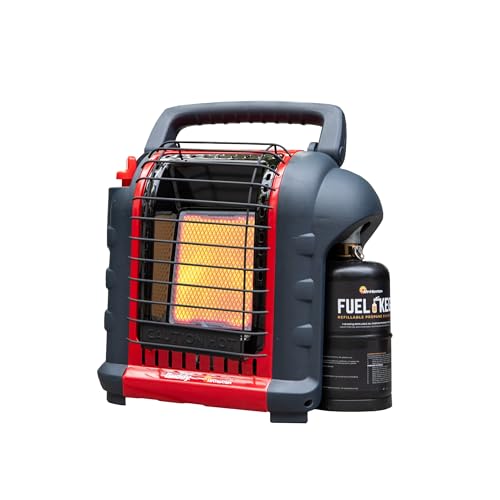
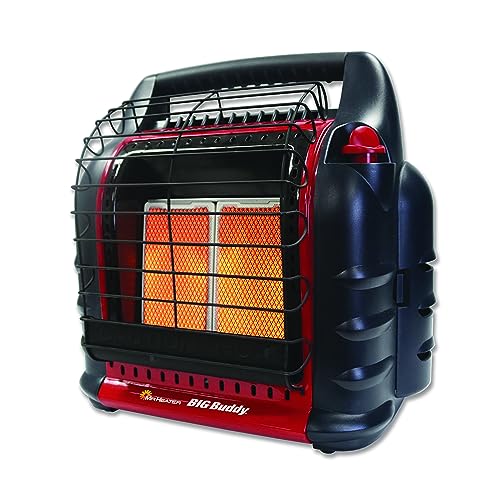
Propane heaters are the go-to choice for off-grid campers who need serious heat output without relying on electricity. They are powerful, portable, and widely available. The best propane tent heaters feature oxygen depletion sensors (ODS) that automatically shut off the unit if oxygen levels drop, as well as tip-over protection and adjustable heat settings.
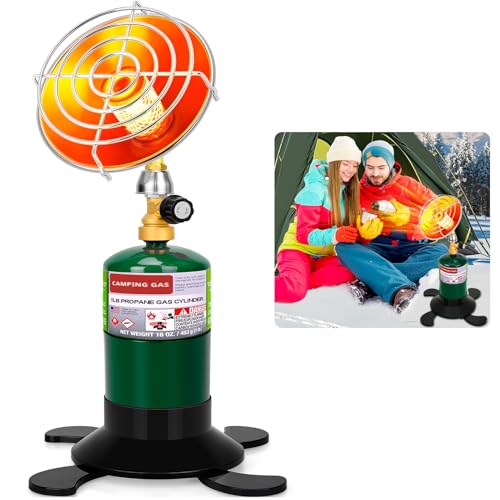
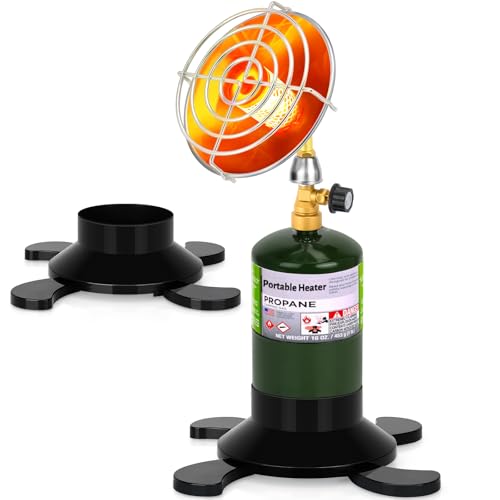
Small propane heaters in the entry-level range typically run on 1-pound disposable cylinders, while mid-range and premium models can connect to larger refillable tanks for extended use. Radiant propane heaters — which glow orange and emit infrared heat — are particularly effective in tents because they warm objects and people directly rather than just heating the air.
3. Radiant vs. Convection Heaters
Understanding the difference between radiant and convection heating helps you choose the right model. Radiant heaters emit infrared waves that warm people and objects directly — you feel the warmth almost instantly when you are in the heater's line of sight. Convection heaters warm the air, which then circulates throughout the tent. For tent camping, radiant heaters are generally preferred because they provide immediate, targeted warmth and are more energy-efficient in uninsulated spaces.
4. Wood Stove Heaters for Hot Tents
For serious winter campers, a wood-burning stove paired with a camping tent with a stove jack offers unmatched heat output and the timeless appeal of a crackling fire. Hot tent camping — using a canvas or heavy-duty tent with a wood stove — is a specialized approach that requires more setup and skill but delivers the warmest, most atmospheric experience. If this appeals to you, explore our full guide to hot tent camping.
⚠️ Critical Safety Warning: Carbon Monoxide & Ventilation
Any fuel-burning heater (propane, butane, kerosene, or wood) produces carbon monoxide (CO), an odorless, colorless gas that can be fatal in enclosed spaces. Follow these non-negotiable safety rules:
- Never use a heater rated for outdoor use only inside a tent.
- Always choose a heater with an oxygen depletion sensor (ODS) and automatic shut-off.
- Always maintain ventilation by cracking a tent window or vent, even in freezing temperatures.
- Never sleep with an open-flame heater running unattended.
- Always install a battery-operated carbon monoxide detector inside your tent.
- Never place a heater near tent walls, sleeping bags, or other flammable materials.
If you experience headache, dizziness, nausea, or confusion, turn off the heater immediately, evacuate the tent, and seek fresh air. Learn more about winter camping safety and emergency preparedness.
Electric vs. Propane vs. Wood Stove: Tent Heater Comparison
Use this comparison table to quickly evaluate which heater type aligns with your camping style, power availability, and safety priorities.
| Heater Type | Power Source | Best For | Heat Output | Safety Level | Portability |
|---|---|---|---|---|---|
| Electric | AC power / power station | Campgrounds with hookups | Low to Moderate | Highest | Excellent |
| Propane (Catalytic) | Propane cylinder | Off-grid, small tents | Moderate | Good (with ODS) | Very Good |
| Propane (Radiant) | Propane cylinder | Cold-weather, larger tents | High | Good (with ODS) | Good |
| Wood Stove | Wood / biomass | Hot tent camping, extreme cold | Very High | Requires Skill | Poor (heavy) |
Entry-Level, Mid-Range, and Premium Tent Heaters
Rather than focusing on specific prices — which fluctuate constantly — it helps to understand tent heaters in terms of market tiers. This approach helps you set realistic expectations for features, build quality, and performance.
Affordable & Compact
Entry-level tent heaters are ideal for occasional campers, small tents, and mild cold-weather conditions. They prioritize portability and simplicity over advanced features.
- Basic on/off or low/high settings
- Small footprint, lightweight
- Often powered by 1-lb propane cylinders
- Minimal safety sensors on some models
Balanced Performance & Safety
Mid-range heaters offer the sweet spot for most campers. They include essential safety features, better heat distribution, and more durable construction.
- Adjustable thermostat or multi-setting control
- Oxygen depletion sensor (ODS) standard
- Tip-over automatic shut-off
- Compatible with refillable propane tanks
- Quieter operation and better build quality
Top-Tier Comfort & Reliability
Premium tent heaters are built for frequent winter campers, extreme conditions, and those who demand the highest safety and performance standards.
- Precise digital thermostat control
- Advanced ODS and CO shut-off systems
- High BTU output for large tents
- Durable, weather-resistant construction
- Quiet operation and extended runtime
- Often include remote control or timers
When comparing tiers, remember that a mid-range model typically offers significantly better safety features than an entry-level unit, while a premium heater provides the reliability and precision needed for serious winter expeditions. Your choice should reflect how often you camp in cold weather and how much you value peace of mind.
🔥 Pro Tips for Maximizing Tent Heater Efficiency
- Insulate your tent floor: A sleeping pad or foam mattress pad prevents heat loss through the ground, keeping your tent warmer with less heater output.
- Use a tent with a low profile: Smaller tents heat up faster and retain warmth longer. If you are camping solo in winter, consider a one-person backpacking tent or a two-person backpacking tent.
- Seal drafts: Close all vents and zip doors fully when the heater is running. A camping tarp or four-season tent provides better insulation than a standard three-season tent.
- Pre-warm your sleeping bag: Turn on the heater 30 minutes before bed, then turn it off and slip into a winter sleeping bag that is rated for the conditions.
- Layer your clothing: A proper layering system reduces your reliance on the heater and keeps you warm even if the power or fuel runs out.
- Elevate the heater: Cold air sinks, so placing your heater on a stable, non-flammable surface slightly above the tent floor improves heat distribution.
How to Choose the Right Heater for Your Tent
Selecting the ideal tent heater involves balancing several factors. Work through these considerations before making a purchase:
Tent Size and BTU Requirements
Match the heater's BTU (British Thermal Unit) output to your tent's interior volume. As a general guideline: small tents (2–4 person) perform well with heaters in the lower BTU range, mid-size tents (4–6 person) need moderate output, and large tents (8–12 person) require higher BTU ratings. If you are camping in a 10-person camping tent or a 12-person cabin tent, you may need multiple heat sources or a high-output radiant heater.
Power Availability
If your campsite has electrical hookups, an electric heater is the simplest and safest choice. If you are primitive camping or dispersed camping on BLM land, propane is your best bet. For extended off-grid trips, consider pairing a propane heater with a camping power bank or solar charger to keep your devices charged.
Safety Certifications
Look for heaters that are specifically rated for indoor or enclosed space use. These units undergo rigorous testing and include critical safety features. Never substitute an outdoor-rated heater for an indoor-rated one, regardless of ventilation.
Noise Level
Electric heaters with fans produce some noise, while radiant propane and catalytic heaters operate silently. If you are a light sleeper, prioritize a quiet heater — or use a warm drink and a high-quality sleeping bag instead of running a heater overnight.
Portability and Weight
Backpackers and backpacking beginners should prioritize lightweight options. For car camping, weight matters less, and you can choose a larger, more powerful heater. If you are camping with a roof top tent, ensure your heater fits comfortably in the vehicle and can be safely operated in the tent's confined space.
Beyond the Heater: Other Ways to Stay Warm in a Tent
A tent heater is only one part of a comprehensive cold-weather camping strategy. Combine it with these proven techniques for maximum warmth and comfort:
- Choose the right sleeping bag: A 0-degree sleeping bag or sub-zero sleeping bag provides essential warmth even if your heater runs out of fuel.
- Add a sleeping bag liner: A silk sleeping bag liner or fleece liner adds warmth and keeps your bag clean.
- Use a quality sleeping pad: Insulation from the ground is critical. An ultralight sleeping pad or self-inflating mattress prevents heat loss through the tent floor.
- Wear the right clothing: Moisture-wicking base layers, insulating mid-layers, and a warm hat make a huge difference. Avoid cotton, which retains moisture and accelerates heat loss.
- Eat and hydrate: Your body generates heat through digestion. A warm meal before bed and proper hydration keep your internal furnace running. Check out our camping meals guide for ideas.
- Use hand warmers: Disposable or rechargeable hand warmers in your sleeping bag provide targeted warmth without any fuel or electricity.
- Practice proper tent placement: Pitch your tent in a sheltered area away from wind. If camping on snow, learn how to set up a tent on snow properly.
For a complete overview of cold-weather gear, visit our winter camping gear guide and how to stay warm in winter articles.
Ready to Camp Warm This Winter?
Explore our recommended tent heaters below and find the perfect match for your next cold-weather adventure.
View Recommended Heaters ↓Tent Heater Maintenance and Storage
Proper maintenance extends the life of your heater and ensures safe operation season after season. Before each trip, inspect your heater for damage, clean any dust or debris from vents, and test all safety features. For propane heaters, check hoses and connections for leaks using a soapy water solution — bubbles indicate a leak that must be addressed before use.
After your trip, allow the heater to cool completely before packing it away. Store propane cylinders in a well-ventilated area away from living spaces, and never store them inside your tent or vehicle for extended periods. For electric heaters, coil the cord loosely and store the unit in a dry place. Following these simple steps ensures your heater is ready when you need it most.
Frequently Asked Questions About Tent Heaters
Electric heaters are generally considered the safest option for tent camping when you have access to a power source, as they produce no carbon monoxide. Propane heaters designed specifically for indoor or tent use with built-in oxygen depletion sensors (ODS) and automatic shut-off features are the next safest choice for off-grid camping. Always follow the manufacturer's instructions and maintain proper ventilation.
Yes, but only if the propane heater is specifically rated for indoor or enclosed space use. These units feature oxygen depletion sensors (ODS) and automatic shut-off valves. Always follow the manufacturer's instructions, provide ventilation by cracking a tent window or vent, and never sleep with an open-flame heater running unattended. Install a carbon monoxide detector inside your tent as an extra safety measure.
Use only heaters with built-in oxygen depletion sensors and automatic shut-off. Always maintain proper ventilation by cracking a tent window or vent, even in freezing temperatures. Never use a heater designed for outdoor use only inside a tent. Install a battery-operated carbon monoxide detector in your tent as an extra safety measure. If you experience headache, dizziness, nausea, or confusion, turn off the heater immediately, evacuate the tent, and seek fresh air.
Match the heater's BTU output to your tent size and the outside temperature. A small tent (2–4 person) typically needs a heater in the lower BTU range (around 3,000–5,000 BTUs), while larger tents (6–10 person) may require 5,000–9,000 BTUs. Always check the manufacturer's recommended room size for the heater. For large tents, consider multiple smaller heaters or a high-output radiant model.
It is generally not recommended to sleep with any fuel-burning heater running overnight due to carbon monoxide risks. The safest approach is to warm up your tent before bed, then turn off the heater. Use a properly rated sleeping bag for overnight warmth. If you must keep a heater running, use an electric heater with a thermostat and ensure proper ventilation. Never sleep with an open-flame propane or wood heater running unattended.
Using a heater in a roof top tent requires extra caution due to the confined space and limited ventilation. Electric heaters powered by a portable power station are the safest option. If using propane, choose a small catalytic heater with an ODS sensor and always keep a vent open. Never use a heater in a roof top tent while it is folded or in transit. Check your tent manufacturer's guidelines regarding heater use.
Final Thoughts: Camp Warm, Camp Safe
A tent heater is one of the most valuable investments you can make if you want to extend your camping season into the colder months. The key is choosing the right type for your power situation, understanding the safety requirements, and combining your heater with proper insulation, quality sleeping gear, and smart camping practices.
Whether you opt for a simple electric heater at a campground with hookups, a portable propane heater for off-grid adventures, or a full hot tent setup for extreme winter conditions, the goal is the same: stay warm, stay safe, and enjoy the incredible beauty of cold-weather camping. For more winter camping knowledge, explore our winter camping guide, learn about frostbite prevention, and check out our winter emergency kit recommendations.