Sleeping Pads for Backpacking: Your Guide to Restful Nights on the Trail
A good night's sleep is not a luxury—it's a necessity for a successful backpacking trip. The right sleeping pad is the foundation of that rest. It provides crucial insulation from the cold ground, offers cushioning for your body, and can be the difference between an energizing morning and a miserable one. This guide will walk you through everything you need to know to choose the perfect sleeping pad for your backpacking adventures.
The Backpacker's Foundation: Unlike car camping where weight is less of a concern, a backpacking sleeping pad must balance three critical factors: weight, warmth, and comfort. It's the unsung hero of your sleep system, working with your sleeping bag to keep you warm and your body rested for the next day's journey.
Understanding the Three Main Types of Sleeping Pads
Backpacking sleeping pads generally fall into three categories, each with distinct advantages and trade-offs. Your choice depends on your priorities: ultimate lightness, robust durability, or plush comfort.
1. Air Pads (Inflatable)
These pads are the most popular choice for backpackers seeking a balance of comfort and packability. They are inflated by breath or a pump sack and offer the best comfort-to-weight ratio. They pack down very small, often to the size of a water bottle. However, they can be punctured and require more time and effort to set up. Many modern air pads use synthetic insulation to trap warm air, providing excellent insulation from the ground.
2. Self-Inflating Pads
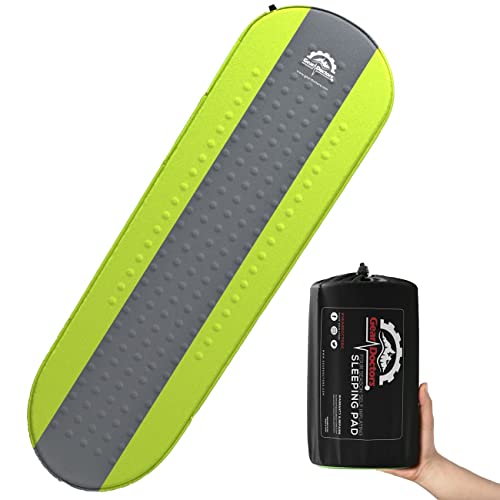
These pads combine open-cell foam with an airtight shell. When the valve is opened, the foam expands, drawing in air. You can then top them off with a few breaths. They are more durable and puncture-resistant than pure air pads, and they offer good insulation. However, they are generally heavier and bulkier than air pads, making them a solid choice for shorter trips or for those who prioritize durability over minimal weight.
3. Closed-Cell Foam Pads
These are the simplest and most durable option. Made from a sheet of foam with sealed cells, they are virtually indestructible and can't be punctured. They are very lightweight for their bulk and provide reliable insulation. The main drawbacks are their lack of comfort and large packed size. They are often used by ultralight backpackers who cut them down to torso length or as a supplementary layer under an air pad for extra warmth and puncture protection.
Key Features to Evaluate When Choosing a Backpacking Pad
Moving beyond the basic types, several key specifications will determine if a pad is right for you. Understanding these terms is essential for making an informed decision.
R-Value: The Measure of Warmth
The R-value is the most critical spec for insulation. It measures a material's resistance to heat flow. The higher the R-value, the better the pad is at insulating you from the cold ground. For winter camping or winter sleeping bags, you'll need a pad with an R-value of 5 or higher. For three-season backpacking, an R-value between 2 and 4 is generally sufficient. Remember that the ground can pull heat from your body much faster than air, so a well-insulated pad is non-negotiable for staying warm.
Weight and Packed Size
For backpacking, every ounce counts. The weight of your pad is a primary concern. Ultralight camping sleeping pads are designed for minimum weight, often at the expense of durability or a bit of comfort. The packed size is equally important—it needs to fit inside or strap to your lightweight backpack for hiking. Air pads pack the smallest, followed by self-inflating pads, with closed-cell foam being the bulkiest.
Thickness and Comfort
Thickness directly impacts comfort. Thicker pads (2.5 to 4 inches) provide more cushioning, which is especially important for side sleepers. However, thicker pads are often heavier and can feel less stable. A good rule of thumb is to look for a pad at least 2 inches thick for adequate comfort. For those who prioritize a plush sleep, a mattress pad for camping that is thicker can be a game-changer.
Pad Shape and Size
Sleeping pads come in various shapes and sizes. A full-length, rectangular pad offers the most comfort and coverage. A mummy-shaped pad is tapered to save weight, matching the shape of a sleeping bag for camping. A short (torso-length) pad saves significant weight and space but requires you to use your backpack or other gear to insulate your legs. Consider your sleeping style and weight-saving goals.
Durability and Materials
The material of the pad's shell affects its durability and feel. Fabrics with a higher denier (a unit of measure for fabric weight) are more puncture-resistant but slightly heavier. Look for pads with a durable bottom fabric and a softer, quieter top fabric. If you're tough on gear or camp in areas with sharp rocks or thorny ground, a more durable pad is a wise investment.
Matching the Pad to Your Backpacking Style
Your ideal pad is a reflection of how you backpack. Here’s a breakdown based on common styles:
- Ultralight Backpacking: Prioritize low weight and small pack size. An air pad with a moderate R-value (around 2-3) and a mummy shape is a classic choice. Some ultralighters opt for a closed-cell foam pad for its indestructibility and lightness. Pairing a short foam pad with a short air pad is a popular strategy for maximum weight savings and warmth.
- Three-Season Backpacking: This is the most common use case. You need a versatile pad that balances comfort, warmth, and weight. An air pad with an R-value of 3-5 and a thickness of around 2.5-3 inches is a great all-rounder. It will handle most conditions from spring through fall.
- Winter and Cold-Weather Backpacking: Warmth is paramount. You need a high R-value (5+), full-length pad. You can either buy a single high-R-value pad or stack two pads (e.g., a closed-cell foam pad under an air pad) to achieve the necessary insulation. This is where a self-inflating camping mattress can also be a good choice due to its reliable insulation.
- Side Sleepers: Look for a thicker pad (3 inches or more) to prevent your hip from bottoming out. A pad with a more rectangular shape also gives you more room to move. Some pads are specifically designed with a memory foam camping mattress layer or a more supportive baffle design.
Care and Maintenance for Longevity
A quality sleeping pad is an investment. Proper care will ensure it lasts for many seasons. Always use a groundsheet or tent floor to protect it from punctures. When inflating, try to avoid introducing moisture from your breath into the pad, as this can lead to mold. Using a pump sack is ideal. Store your pad unrolled and with the valve open in a cool, dry place, away from direct sunlight. This prevents the foam and internal materials from degrading.
Making Your Final Decision
To choose the best sleeping pad for backpacking, start by defining your primary needs. Are you an ounce-counting ultralight purist, a comfort-seeking side sleeper, or a winter warrior? Once you know your priority, evaluate the key specs: R-Value for warmth, weight and packed size for portability, and thickness for comfort. Don't forget to consider the pad's shape and durability. A sleeping pad for backpacking is a personal choice, and the perfect one is the one that lets you wake up refreshed, ready to tackle the trail ahead. Remember, a great night's sleep is the most important piece of gear you can bring.